
The Widespread Adoption of Metal Horseshoes …
Years: 448 - 459
The Widespread Adoption of Metal Horseshoes
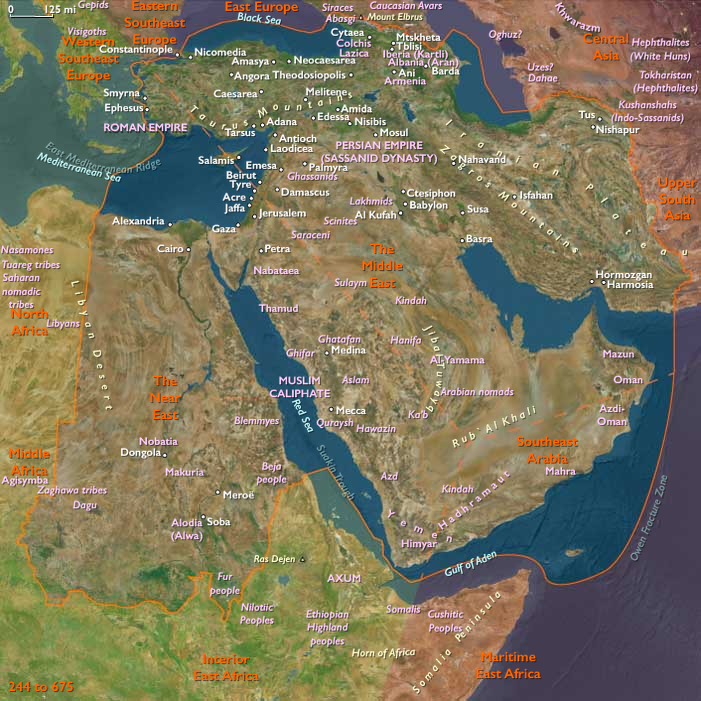
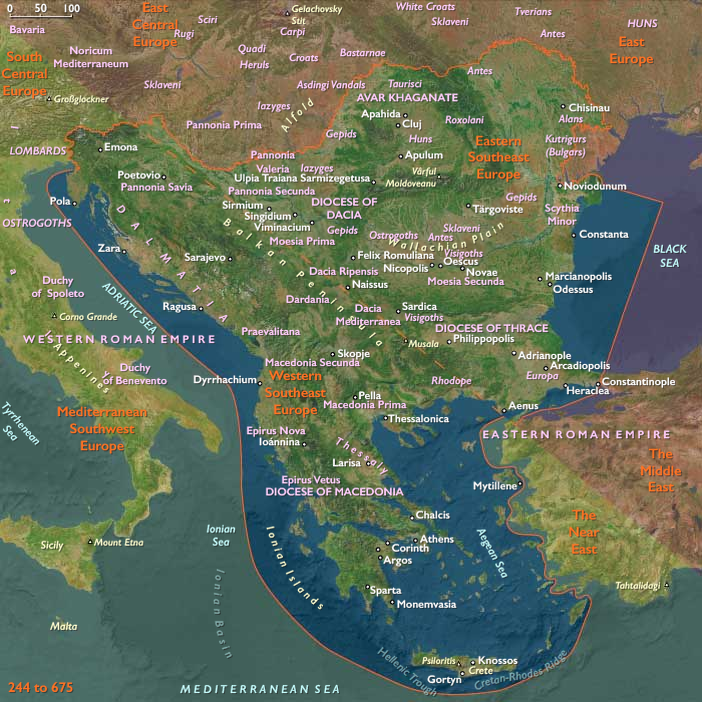
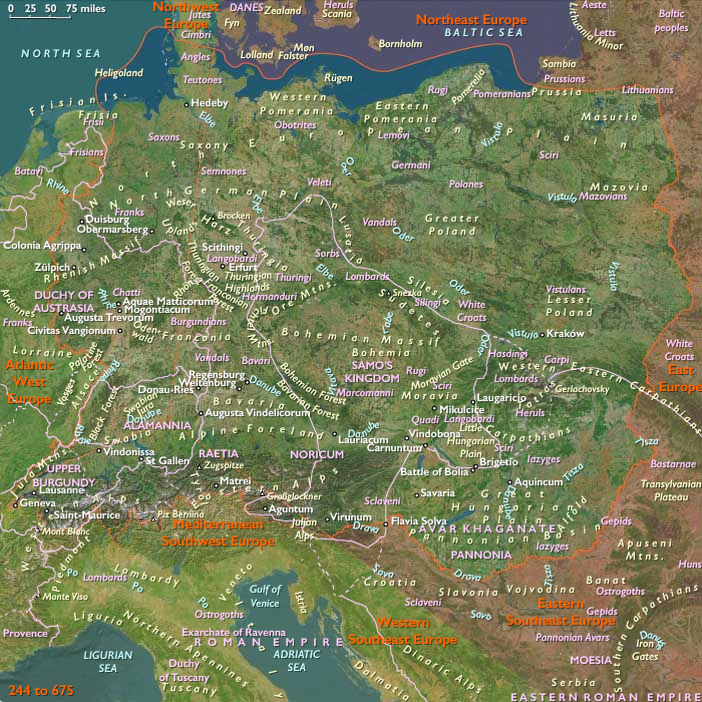
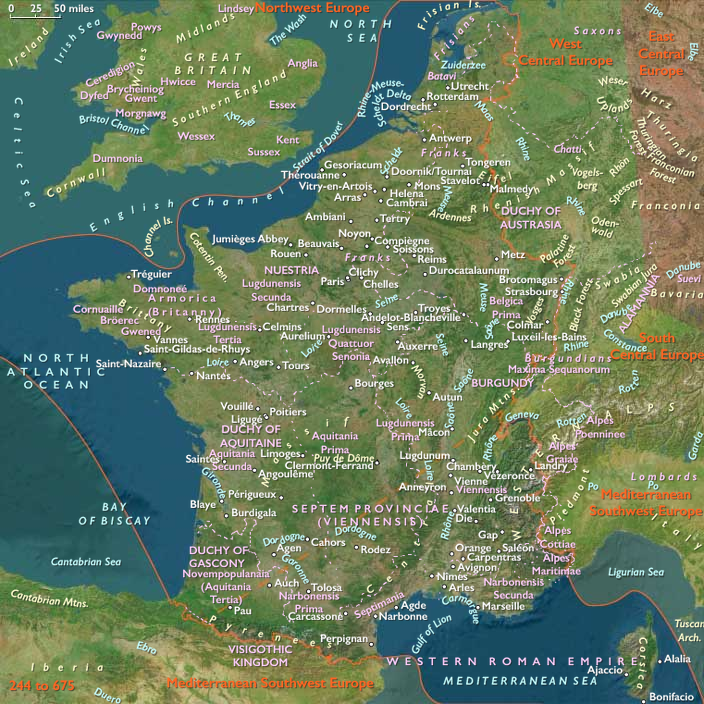
By the mid-fifth century, the use of metal horseshoes becomes increasingly widespread across the Near East, Middle East, and Europe, revolutionizing agriculture, transportation, and warfare. While earlier civilizations had used rawhide or bronze hoof coverings, the more advanced nailed iron horseshoe provides significant advantages in traction, durability, and hoof protection, allowing horses to be used more effectively across varied terrains.
Impact on Agriculture and Trade
- Improved Traction – Horses equipped with iron horseshoes can more easily navigate muddy, rocky, and uneven ground, making them more reliable for plowing fields and hauling goods.
- Enhanced Durability – The protection offered by metal horseshoes extends the working life of horses, reducing injuries and making them a more valuable agricultural asset.
- Expansion of Trade Routes – As horses become better suited for long-distance travel, merchants and caravans benefit from greater efficiency in overland trade, strengthening economic networks across Europe and the Middle East.
Military Advancements
- Greater Mobility – Armies using horses for scouting, cavalry charges, and mounted archery see improved performance on diverse terrains, from marshy lowlands to mountainous regions.
- Increased Horse Longevity – With better hoof protection, cavalry units maintain their horses in better condition, reducing the need for constant replacements.
- Strategic Flexibility – Horseshoes contribute to the rise of heavily armored cavalry, paving the way for the later dominance of knights and cataphracts in medieval warfare.
A Lasting Innovation
The widespread adoption of metal horseshoes marks a crucial technological shift, supporting economic growth, agricultural efficiency, and military effectiveness. This innovation will continue to shape transportation and warfare throughout the medieval period, playing a foundational role in the expansion of medieval societies across Eurasia.
Topics
Commodoties
Subjects
Regions
- The Near and Middle East
- Southeast Europe
- Central Europe
- West Europe
- North Europe
- Northeastern Eurasia
- Southwest Europe

Subregions
- East Europe
- Northeast Europe
- East Central Europe
- Eastern Southeast Europe
- Middle East
- Near East
- Western Southeast Europe
- South Central Europe
- Mediterranean West Europe
- Mediterranean Southwest Europe
- Atlantic Southwest Europe
- Atlantic West Europe
- West Central Europe
- Northwest Europe
Years: 448 - 459
Topics
Commodoties
Subjects
Regions
- The Near and Middle East
- Southeast Europe
- Central Europe
- West Europe
- North Europe
- Northeastern Eurasia
- Southwest Europe
Subregions
- East Europe
- Northeast Europe
- East Central Europe
- Eastern Southeast Europe
- Middle East
- Near East
- Western Southeast Europe
- South Central Europe
- Mediterranean West Europe
- Mediterranean Southwest Europe
- Atlantic Southwest Europe
- Atlantic West Europe
- West Central Europe
- Northwest Europe