
Mediterranean Southwest Europe (928–939 CE): Caliphal Centralization …
Years: 928 - 939
Mediterranean Southwest Europe (928–939 CE): Caliphal Centralization in Al-Andalus and Continuing Papal Turmoil
The era 928–939 CE in Mediterranean Southwest Europe witnesses significant political consolidation under Abd al-Rahman III in Al-Andalus, while Italy experiences ongoing papal instability amid the prolonged Saeculum Obscurum.
Abd al-Rahman III and the Establishment of the Caliphate of Córdoba
In Al-Andalus, Emir Abd al-Rahman III (r. 912–961 CE) decisively asserts his authority, formally declaring himself Caliph in 929 CE. This bold political move proclaims Córdoba independent from the Abbasid Caliphate in Baghdad, initiating the powerful Caliphate of Córdoba. Abd al-Rahman III significantly stabilizes and centralizes power, strengthening the administrative structure and fostering renewed cultural and economic prosperity throughout Iberia.
Papal Instability and Continued Saeculum Obscurum
Meanwhile, the papacy continues to languish under the shadow of the Saeculum Obscurum, dominated by the powerful and corrupt Roman aristocratic families, notably the Theophylacti. Papal authority remains deeply compromised, characterized by internal corruption, scandal, and political manipulation, significantly diminishing Rome's spiritual and moral influence in Europe.
Cultural Vitality and Jewish Scholarship
Despite political challenges, intellectual and cultural vitality endure. Lucena continues to flourish as a critical center of Andalusian Jewry, sustaining rich scholarly traditions and intercultural exchanges. Mozarab communities maintain their influential cultural position, bridging Latin-Christian and Islamic intellectual traditions within the context of Córdoba’s flourishing caliphate.
Fragmented Italy and Carolingian Decline
Italy remains politically fragmented, with local rulers increasingly asserting independence as centralized Carolingian authority continues to decline. Although regional power structures stabilize to some extent, Italy enters a prolonged period marked by localized governance and limited imperial cohesion, supported culturally by a resilient ecclesiastical structure.
Economic Stability and Technological Continuation
Technological innovations, particularly the Catalan forge, continue to underpin regional economic stability and growth. Improved iron production sustains agricultural productivity, military preparedness, and urban expansion, contributing significantly to the ongoing economic resilience of Mediterranean Southwest Europe.
Legacy of the Era
The era 928–939 CE marks a pivotal turning point with the establishment of the Caliphate of Córdoba, contrasting sharply with the ongoing political turmoil and weakened papal authority in Italy. These developments highlight the divergent political trajectories within Mediterranean Southwest Europe, significantly shaping the region’s subsequent medieval history.
People
Groups
- Berber people (also called Amazigh people or Imazighen, "free men", singular Amazigh)
- Jews
- Moors
- Christianity, Chalcedonian
- Islam
- Al-Garb Al-Andalus
- al-Andalus (Andalusia), Muslim-ruled
- Mozarabs
- Banu Qasi
- Abbasid Caliphate (Kufa)
- Papal States (Republic of St. Peter)
- Córdoba, Umayyad Emirate of
- Muladi
- Abbasid Caliphate (Baghdad)
- Córdoba, (Umayyad) Caliphate of
Commodoties
Subjects
Regions
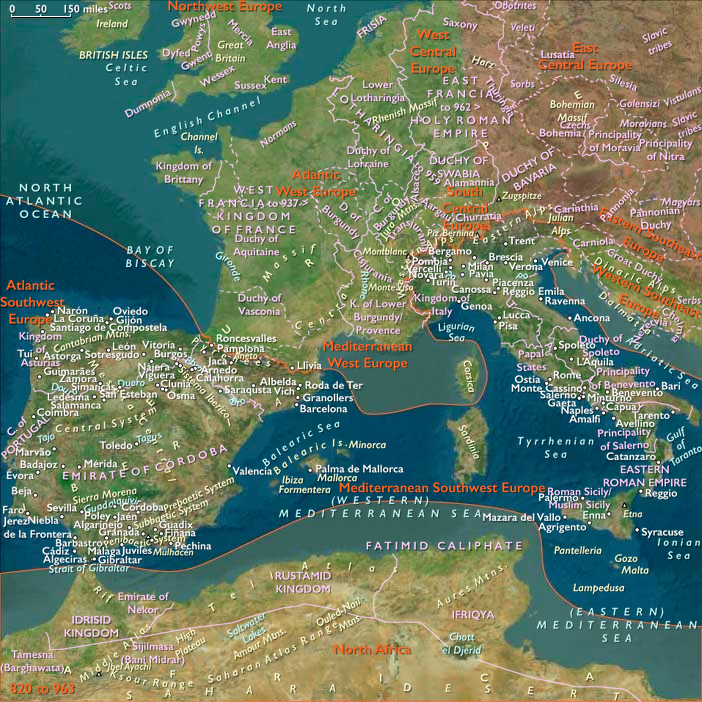
Subregions
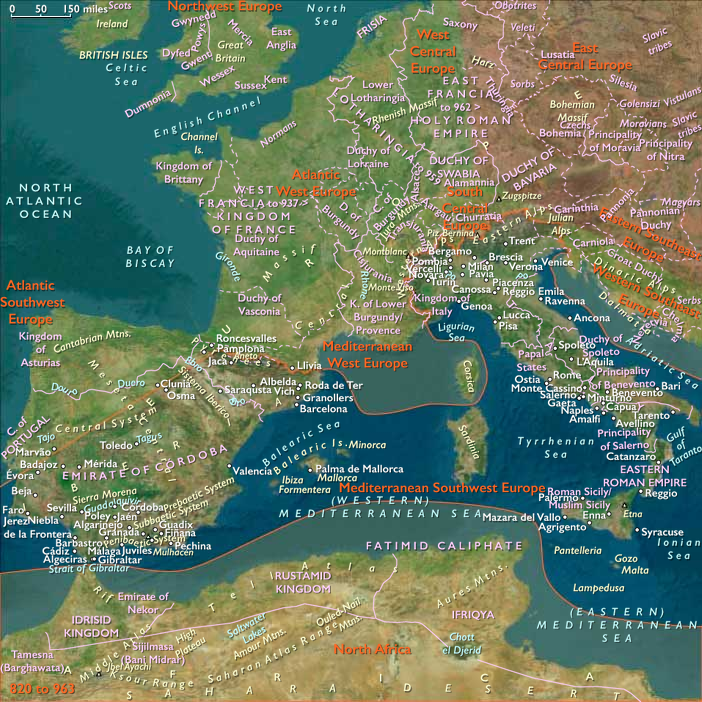
Years: 928 - 939
People
Groups
- Berber people (also called Amazigh people or Imazighen, "free men", singular Amazigh)
- Jews
- Moors
- Christianity, Chalcedonian
- Islam
- Al-Garb Al-Andalus
- al-Andalus (Andalusia), Muslim-ruled
- Mozarabs
- Banu Qasi
- Abbasid Caliphate (Kufa)
- Papal States (Republic of St. Peter)
- Córdoba, Umayyad Emirate of
- Muladi
- Abbasid Caliphate (Baghdad)
- Córdoba, (Umayyad) Caliphate of
Commodoties
Subjects
Regions
Subregions