
Mediterranean Southwest Europe (100–111 CE): Trajan’s Ascendancy …
Years: 100 - 111
Mediterranean Southwest Europe (100–111 CE): Trajan’s Ascendancy and Imperial Expansion
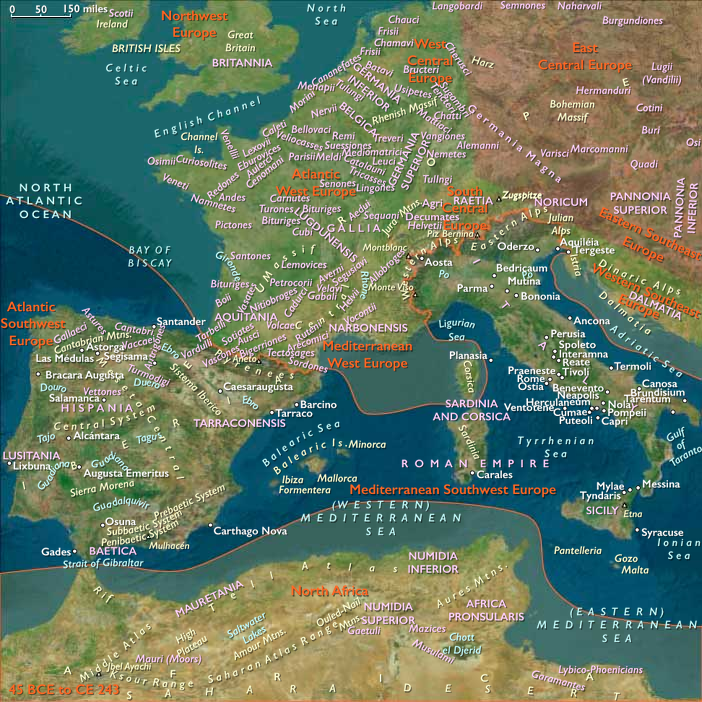
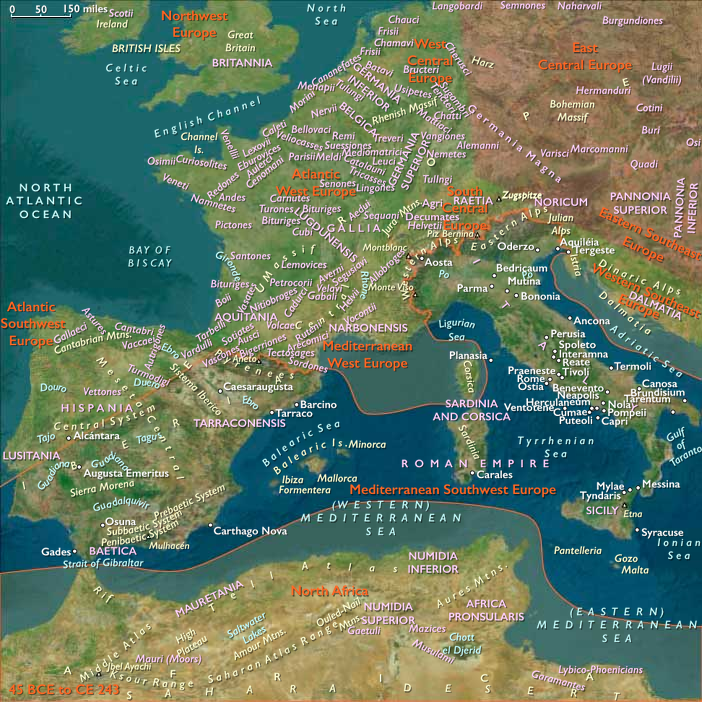
The era 100–111 CE in Mediterranean Southwest Europe marks the beginning of Trajan's rule, inaugurating a new period of vigorous expansion, effective governance, and cultural flourishing. Born in Hispania, Trajan becomes the first emperor from a provincial background, symbolizing the profound integration of Roman provinces into the empire's political core.
Trajan’s Rise and Governance
Following Emperor Nerva’s death in 98 CE, Trajan ascends the throne, initiating a period of notable political stability and military success. Trajan's rule is marked by his pragmatic approach, exceptional administrative skill, and commitment to justice, winning widespread admiration from both the Senate and the populace.
Territorial Expansion and Military Campaigns
Trajan embarks on extensive military campaigns, significantly expanding the empire’s territorial boundaries. His most notable military achievement during this period is the initiation of the Dacian Wars (101–106 CE), aimed at securing Rome’s northern frontier and acquiring the resource-rich province of Dacia (modern-day Romania). These successful campaigns greatly enhance Rome's wealth and security.
Administrative and Economic Reforms
Trajan continues administrative reforms to streamline provincial governance, strengthen legal institutions, and promote efficient taxation systems. These measures further solidify Rome’s imperial stability and contribute to widespread economic prosperity throughout Mediterranean Southwest Europe.
Infrastructure and Urban Development
Trajan significantly invests in infrastructure, constructing roads, bridges, and public works projects throughout the empire. Notably, he initiates the development of monumental projects such as the expansion of the port facilities at Ostia and extensive improvements to the Roman road network, facilitating trade, military logistics, and enhancing urban life.
Cultural and Intellectual Flourishing
Culturally, Trajan’s reign fosters significant intellectual and artistic achievements. His era witnesses sustained literary productivity and artistic innovation, reflecting Rome’s continued cultural dynamism. Prominent figures, such as the historian Pliny the Younger, actively participate in imperial administration, documenting significant events and providing invaluable historical insights into the empire’s functioning.
Economic Prosperity and Trade Networks
Under Trajan, Mediterranean Southwest Europe experiences heightened economic activity. Spain, integral to the Roman economy, continues exporting valuable goods—gold, olive oil, wool, and wine—strengthening trade networks. The sustained prosperity of Iberian cities demonstrates successful provincial integration and economic stability under imperial oversight.
Legacy of the Era
The era 100–111 CE solidifies Trajan’s reputation as one of Rome's greatest emperors, known for territorial expansion, robust governance, and fostering widespread prosperity. His reign profoundly influences Rome’s imperial trajectory, exemplifying the effectiveness of inclusive leadership and strategic governance, laying the groundwork for continued imperial strength and cohesion.
People
Groups
Topics
Commodoties
Subjects
Regions
Subregions
Years: 100 - 111
People
Groups
Topics
Commodoties
Subjects
Regions
Subregions