
Mediterranean Southwest Europe (69–58 BCE): Conspiracy and …
Years: 69BCE - 58BCE
Mediterranean Southwest Europe (69–58 BCE): Conspiracy and Political Crisis in the Late Republic
The era 69–58 BCE is characterized by escalating political tensions, a significant conspiracy against the Roman state, and the continuing fragility of Republican governance.
Catilinarian Conspiracy (63 BCE)
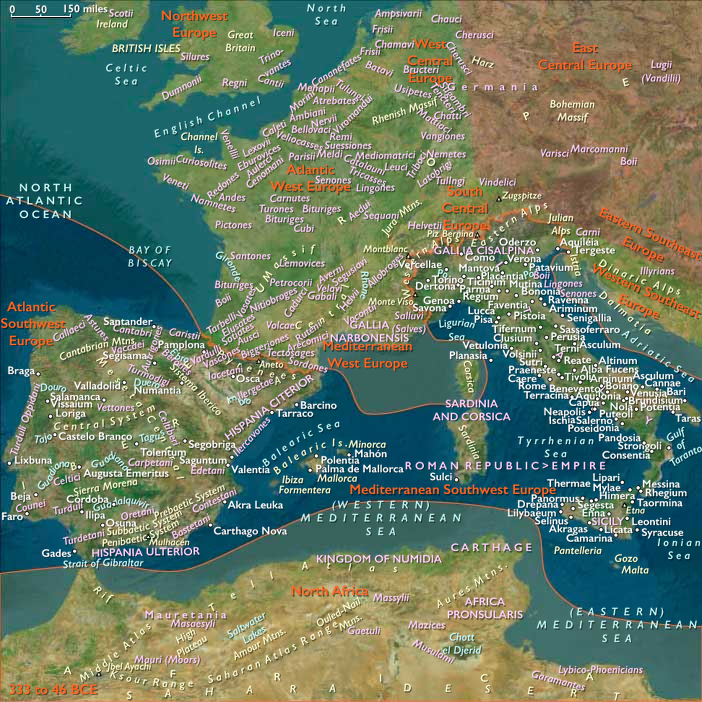
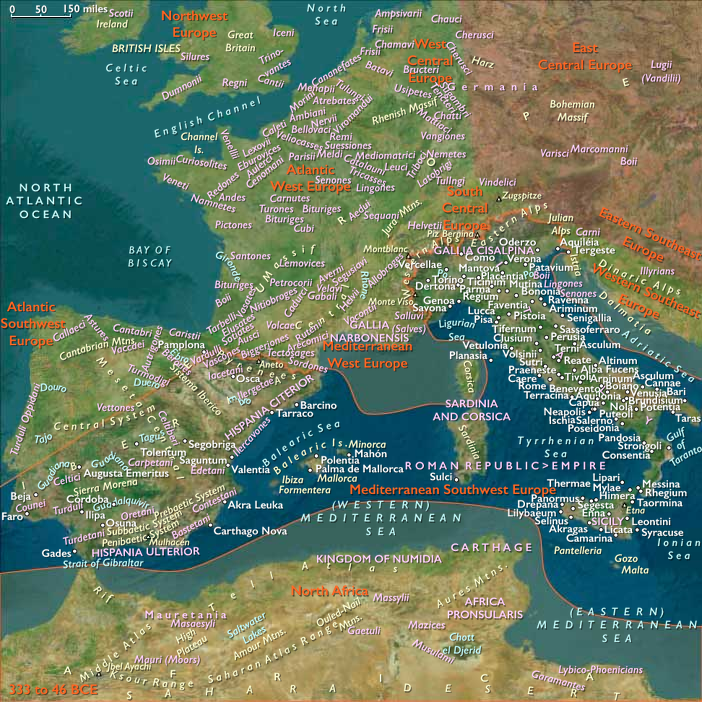
The most notable event of this period is the Second Catilinarian Conspiracy, led by the disgruntled senator Lucius Sergius Catilina, known commonly as Catiline. Frustrated by repeated political setbacks, Catiline assembles a diverse coalition, including indebted aristocrats, disaffected veterans, and dissatisfied plebeians. The conspiracy aims to overthrow the existing senatorial elite and redistribute political and economic power.
In 63 BCE, Catiline's plot is dramatically exposed by the renowned orator and consul, Marcus Tullius Cicero, whose powerful denunciations before the Senate (the "Catilinarian Orations") force Catiline to flee Rome. Cicero's actions lead to the arrest and execution of several co-conspirators, effectively quelling the immediate threat but simultaneously deepening political divisions within the Republic.
Political Repercussions
The suppression of the Catilinarian Conspiracy heightens the polarization between the optimates, who support the existing power structure, and the populares, who advocate broader reforms and challenge senatorial dominance. Cicero, initially hailed as a savior of the Republic, later faces criticism and hostility for his severe treatment of Roman citizens without a formal trial.
The lingering tensions from this episode contribute to the ongoing erosion of the Republican framework, setting the stage for the ascendancy of powerful military figures such as Julius Caesar and Pompey.
Cultural and Artistic Developments
Despite political turmoil, Roman culture continues to flourish. Architectural innovations persist, particularly in urban centers, reflecting continued Hellenistic influence and Roman adaptation. The era witnesses ongoing enhancements to public buildings, temples, and monuments, reinforcing Rome's cultural and architectural prestige in the Mediterranean world.
Legacy of the Era
The period 69–58 BCE underscores critical vulnerabilities within the Roman Republic, emphasizing the precarious balance between senatorial authority and popular dissent. The Catilinarian Conspiracy serves as a vivid illustration of internal strife and foreshadows greater upheavals to come, ultimately paving the way for the rise of autocratic rule and the final collapse of Republican governance.
People
Groups
Topics
Subjects
Regions
Subregions
Related Events
Showing 2 events out of 2 total
Years: 69BCE - 58BCE
People
Groups
Topics
Subjects
Regions
Subregions