
Mediterranean Southwest Europe (297–286 BCE): Rome's Final …
Years: 297BCE - 286BCE
Mediterranean Southwest Europe (297–286 BCE): Rome's Final Victory in the Samnite Wars
The era 297–286 BCE sees Rome solidifying its dominance over the Italian Peninsula through the conclusion of the Third Samnite War, a decisive struggle that unites multiple Italic peoples against Roman expansion but ultimately confirms Rome's ascendancy.
Roman Colonization and Military Preparations
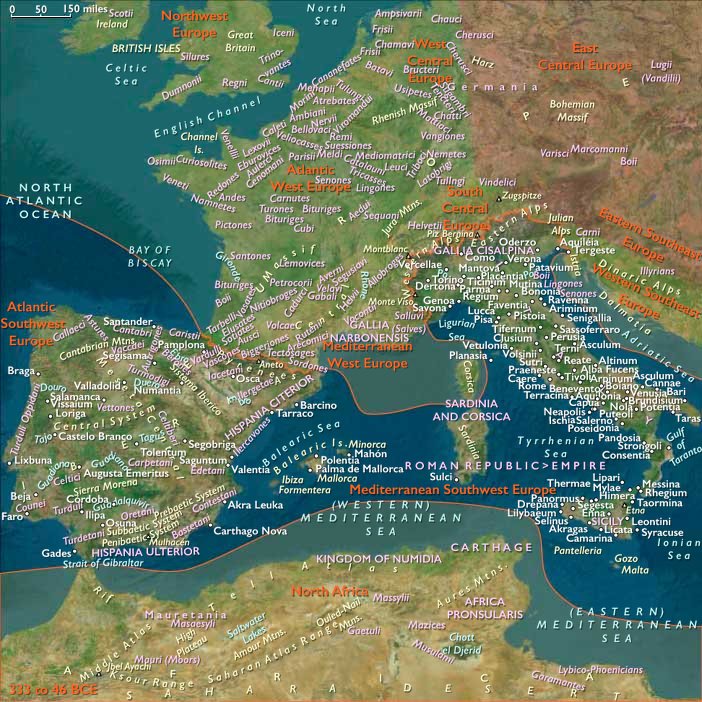
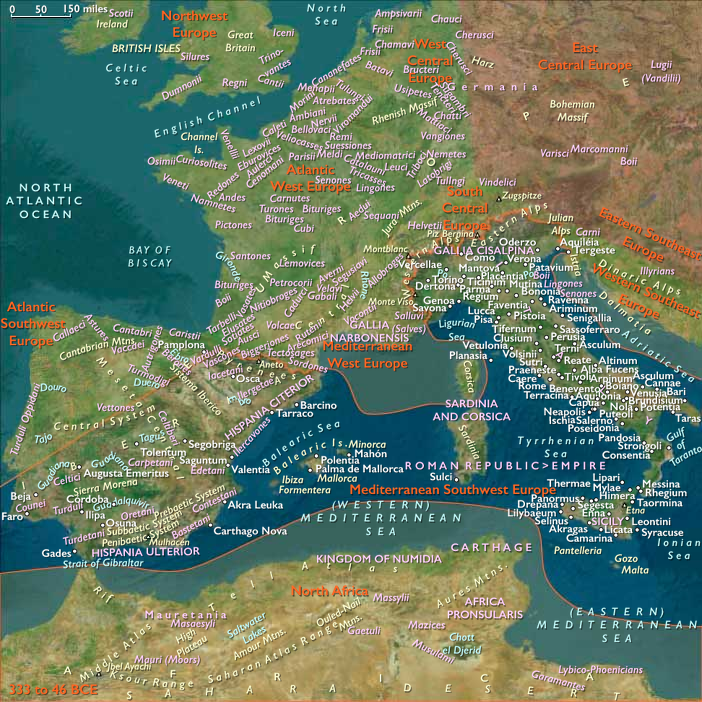
Between 334–295 BCE, Rome establishes thirteen colonies strategically placed against the Samnites, creating six new rustic tribes to integrate annexed territories. Military colonies reinforce Roman presence in Campania and the eastern borders of Samnium, reflecting Rome’s deliberate territorial consolidation efforts. The Campanian cities, both Italic and Greek—including influential centers such as Capua—maintain varying degrees of independence as Rome's allies, critical to maintaining regional stability and loyalty.
Alliance of Rome’s Adversaries
Alarm spreads in Rome around 298 BCE as the Etruscans and Gauls from northern Italy ally themselves with the Samnites. For the first time, Rome confronts a united opposition rather than isolated foes. Initially, Roman forces suffer setbacks due to the strength and coordination of this alliance.
Decisive Victory at Sentinum
The pivotal moment arrives at the Battle of Sentinum (295 BCE) in Umbria, where the largest Italian armies yet assembled clash. Roman forces initially falter against a fierce assault by Gauls utilizing chariots. However, Roman military discipline, superior organization, and leadership turn the tide dramatically. This battle decisively crushes the allied forces of Gauls and Samnites, shifting momentum permanently in Rome’s favor.
Final Subjugation of the Samnites
Despite their defeat at Sentinum, the Samnites persist stubbornly in resistance until a further decisive defeat in 291 BCE renders continued struggle futile. Peace terms established in 290 BCE are harsh but notably more generous than typically afforded to defeated foes, recognizing the extraordinary tenacity and resilience of the Samnites.
Regional Implications and Roman Ascendancy
The conclusion of the Third Samnite War and the subsequent Roman victories firmly establish Rome as the preeminent power in central and southern Italy. This era's events not only underscore Rome's expanding territorial and political influence but also set a clear precedent for future integration strategies, utilizing colonization and alliances to manage conquered territories effectively.
Legacy of the Era
The period from 297–286 BCE decisively shapes the geopolitical landscape of Mediterranean Southwest Europe, marking Rome’s transition from regional power to dominant force, poised for broader Mediterranean ambitions. The events of this era lay critical foundations for Roman expansion, significantly influencing the historical trajectory of the Italian Peninsula and beyond.
Groups
Topics
Subjects
Regions
Subregions
Related Events
Showing 10 events out of 64111 total
Years: 297BCE - 286BCE
Groups
Topics
Subjects
Regions
Subregions