
Mediterranean Southwest Europe (249–238 BCE): Roman Triumph …
Years: 249BCE - 238BCE
Mediterranean Southwest Europe (249–238 BCE): Roman Triumph and Carthaginian Turmoil
The era 249–238 BCE concludes the twenty-year struggle between Rome and Carthage known as the First Punic War, dramatically reshaping the balance of power in Mediterranean Southwest Europe.
Conclusion of the First Punic War
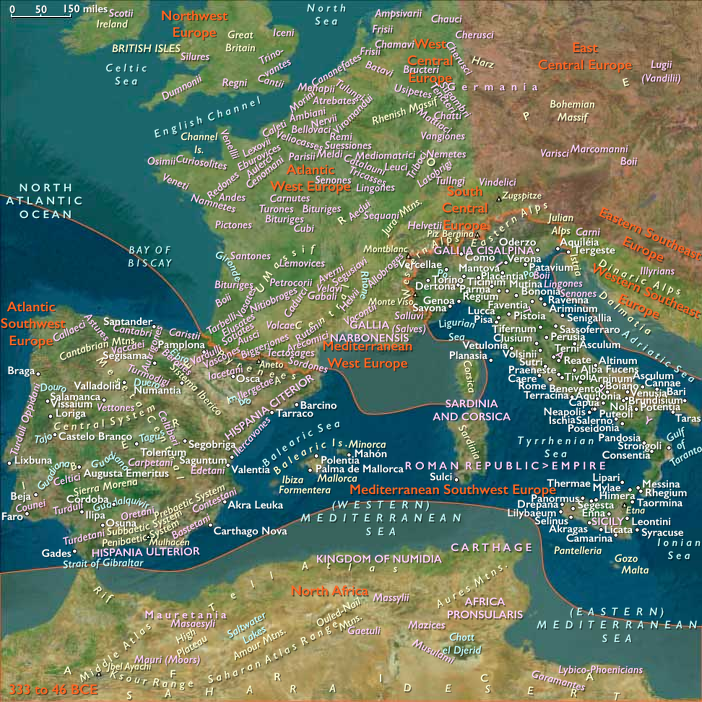
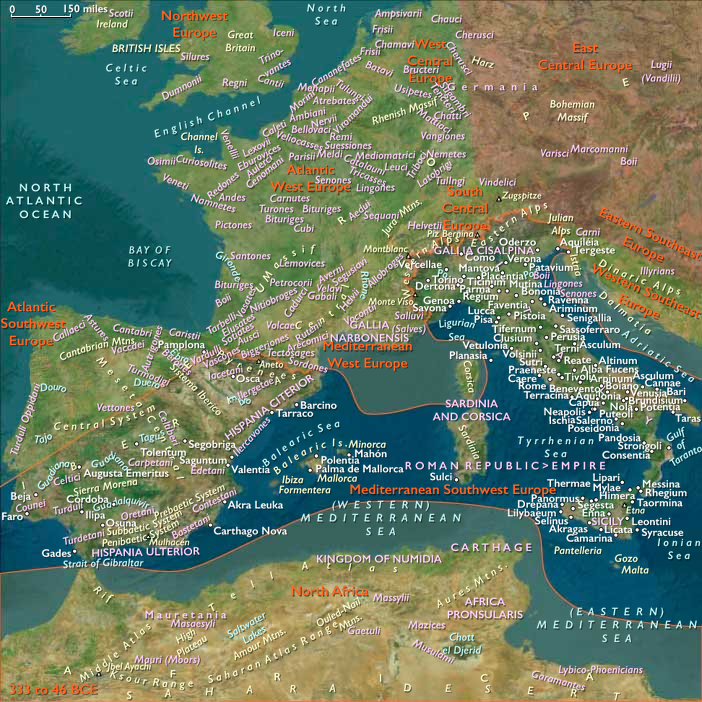
The prolonged conflict ends decisively in 241 BCE, with a significant Roman naval victory. The treaty imposes severe terms on Carthage, which loses Sicily—its principal overseas territory. Sicily, except for the independent Greek Kingdom of Syracuse, becomes Rome’s first overseas province. Rome’s triumph establishes its presence as a dominant naval power and territorial empire, effectively challenging Carthaginian maritime supremacy for the first time.
Carthaginian Mercenary Revolt
The aftermath of Carthage’s defeat is catastrophic. Burdened by heavy indemnities to Rome, Carthage cannot afford to pay the mercenaries it had employed during the war. In 240 BCE, tensions escalate into the Mercenary War (also known as the Libyan or Truceless War). Mercenaries seize Tunis, directly threatening Carthage itself. Initially, Carthage capitulates to their demands; however, mercenary commanders Spendius and Mathos incite a full-scale revolt by convincing Libyan conscripts and towns that Carthage would eventually retaliate against them. The unrest quickly spirals out of control, plunging Carthage into a brutal internal conflict.
Initially, Carthaginian forces, led ineffectively by Hanno the Great, fare poorly against the insurgent armies. This conflict severely weakens Carthaginian political stability and drains its already depleted resources, further diminishing its regional influence.
Cultural Flourishing in Syracuse
During this tumultuous period, the Greek city of Syracuse, under the prosperous reign of Hiero II, experiences a cultural renaissance. Greek poet Theocritus composes his celebrated pastoral works, the Idylls, reflecting pastoral, mythical, and contemporary life, and highlighting Syracuse's cultural vitality and relative stability amid regional upheavals.
Legacy of the Era
The years 249–238 BCE mark a pivotal transition in Mediterranean Southwest Europe. Rome’s territorial expansion into Sicily inaugurates its imperial era, while Carthage enters a period of significant decline, marked by internal conflict and economic ruin. Syracuse emerges as a regional cultural beacon, exemplified by Theocritus’ literary achievements, but remains cautiously positioned between two rival powers. These developments collectively set the stage for further geopolitical struggles in the western Mediterranean.
People
Groups
Topics
Subjects
Regions
Subregions
Related Events
Showing 7 events out of 7 total
Years: 249BCE - 238BCE
People
Groups
Topics
Subjects
Regions
Subregions