
Mediterranean Southwest Europe (268–279 CE): Temporary Recovery …
Years: 268 - 279
Mediterranean Southwest Europe (268–279 CE): Temporary Recovery and the Reign of Aurelian
The era 268–279 CE in Mediterranean Southwest Europe witnesses a notable yet temporary recovery amid the "Crisis of the Third Century." Under Emperor Aurelian’s brief but impactful reign, the Roman Empire experiences a short-lived restoration of imperial authority, territorial integrity, and economic stability.
Aurelian’s Ascendancy and Military Restoration
Emperor Aurelian (r. 270–275 CE) emerges as a decisive leader amid the chaotic military rivalries that marked preceding decades. His rule is characterized by successful military campaigns aimed at reuniting the fractured empire. Aurelian notably reconquers the breakaway regions of Gaul and the Palmyrene Empire, reestablishing centralized control and significantly restoring Roman prestige and territorial coherence.
Fortification and Defensive Enhancements
Recognizing persistent external threats, Aurelian initiates substantial defensive enhancements, notably constructing the formidable Aurelian Walls around Rome. These walls symbolize a strategic shift towards defense-in-depth, reflecting an acknowledgment of the empire’s changing military circumstances and ongoing frontier vulnerabilities.
Economic Reforms and Currency Stabilization
Aurelian implements critical economic reforms aimed at stabilizing the empire’s deteriorating financial situation. He seeks to curb rampant inflation by reforming the imperial coinage, thereby restoring economic confidence and facilitating commerce. These measures temporarily improve regional economic conditions, supporting renewed prosperity and trade.
Renewed Central Authority and Provincial Integration
Under Aurelian’s decisive leadership, central authority experiences partial restoration. Although regional authorities retain significant autonomy due to previous decentralization, Aurelian successfully reasserts imperial influence, strengthening provincial integration and administrative effectiveness during his reign.
Continued Cultural Resilience and Intellectual Activity
Cultural and intellectual pursuits remain robust despite the preceding decades of instability. Artistic and literary expressions persist, reflecting resilience and adaptation. Christian communities continue vibrant theological discourse, further consolidating their social and cultural presence within Roman society.
Growth and Influence of Christianity
Christianity maintains its trajectory of expansion and organizational development, increasingly influential in providing social cohesion and stability amid ongoing uncertainties. The sustained growth of Christian communities during this period sets important precedents for their future prominence within the Roman cultural and political landscape.
Legacy of the Era
The era 268–279 CE stands out as a momentary yet significant period of recovery under Emperor Aurelian. Despite its brevity, Aurelian’s reign temporarily reverses many elements of the broader crisis, reinforcing Roman territorial integrity, economic stability, and centralized governance. His defensive fortifications, economic reforms, and decisive leadership leave an enduring mark, highlighting the capacity for resilience and adaptation within Mediterranean Southwest Europe during a tumultuous century.
People
Groups
- Germans
- Christians, Early
- Roman Empire (Rome): Severan dynasty
- Persian Empire, Sassanid, or Sasanid
- Roman Empire (Rome): Non-dynastic
- Gallic Empire
- Palmyrene Empire
Topics
Commodoties
Subjects
Regions
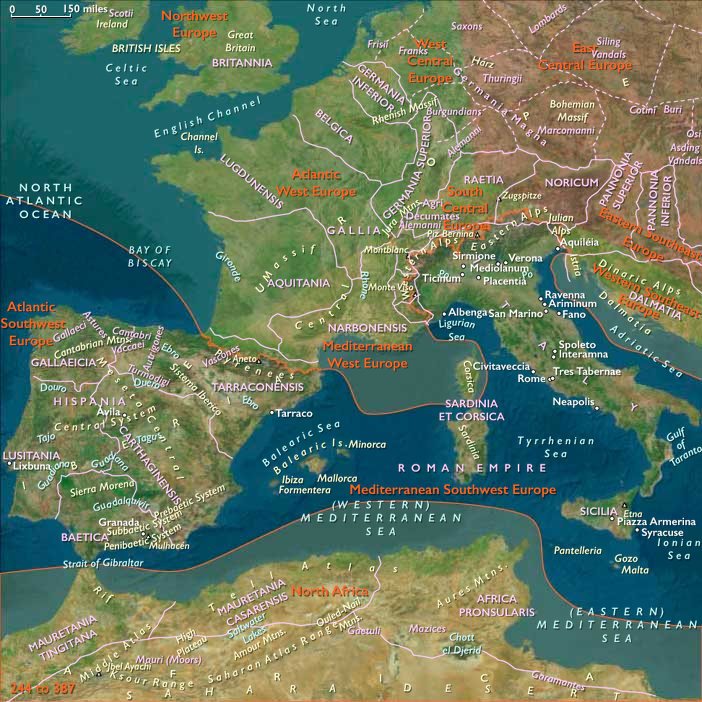
Subregions
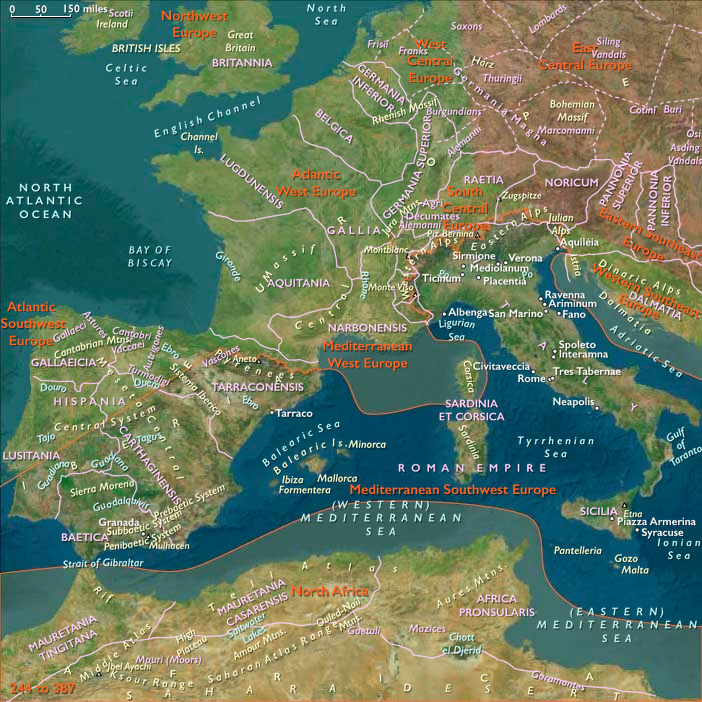
Years: 268 - 279
People
Groups
- Germans
- Christians, Early
- Roman Empire (Rome): Severan dynasty
- Persian Empire, Sassanid, or Sasanid
- Roman Empire (Rome): Non-dynastic
- Gallic Empire
- Palmyrene Empire
Topics
Commodoties
Subjects
Regions
Subregions