
Mediterranean Southwest Europe (256–267 CE): Deepening Crisis …
Years: 256 - 267
Mediterranean Southwest Europe (256–267 CE): Deepening Crisis and Imperial Fragmentation
The era 256–267 CE in Mediterranean Southwest Europe continues to witness profound turmoil, intensifying the "Crisis of the Third Century." Persistent military threats, rapid imperial succession, and ongoing economic difficulties further weaken the Roman Empire, exacerbating fragmentation and internal divisions across the region.
Continued Military Instability and Short-lived Emperors
During this period, rapid turnover among emperors persists, with power frequently seized and lost amid violent military rivalries. The absence of stable imperial leadership exacerbates political fragmentation, significantly undermining centralized authority and administrative efficiency.
Increased External Pressures and Frontier Vulnerability
Mediterranean Southwest Europe endures heightened pressures from external threats, particularly along the Rhine and Danube frontiers. Germanic tribes launch increasingly aggressive raids into Roman territories, while eastern borders remain vulnerable to Sassanian incursions, severely stretching Roman defensive capabilities.
Economic Deterioration and Regional Hardships
Economic conditions continue to deteriorate as prolonged instability and military conflicts severely disrupt trade, agriculture, and commerce. Inflation and resource scarcity lead to widespread hardship, weakening local economies and undermining regional prosperity.
Rise of Provincial and Regional Authorities
With central imperial governance increasingly unreliable, local authorities, military commanders, and regional governors assume greater autonomy and responsibility. Provinces and municipalities often independently manage defense, administration, and economic affairs, reflecting significant decentralization and a shift toward regional governance.
Cultural Adaptation and Intellectual Persistence
Despite pervasive turmoil, cultural life exhibits remarkable resilience. Artistic, literary, and philosophical pursuits persist, adapting creatively to prevailing uncertainties. Intellectual discourse remains vigorous, particularly among Christian communities, whose theological dialogues continue to shape their evolving identity and role within Roman society.
Growth and Consolidation of Christianity
Christian communities steadily expand, further entrenching their social and cultural influence despite external challenges. Continued theological development and organizational structuring enable Christianity to provide social cohesion and a sense of communal stability amid broader imperial instability.
Legacy of the Era
The era 256–267 CE marks a deepening of Rome’s existential crisis, characterized by political instability, intensified external threats, and pervasive economic decline. Yet, regional resilience, cultural persistence, and the steady growth of Christian communities highlight the adaptive strengths within Roman society, significantly shaping the enduring historical and cultural landscape of Mediterranean Southwest Europe.
Groups
- Germans
- Christians, Early
- Roman Empire (Rome): Severan dynasty
- Persian Empire, Sassanid, or Sasanid
- Roman Empire (Rome): Non-dynastic
Topics
Subjects
Regions
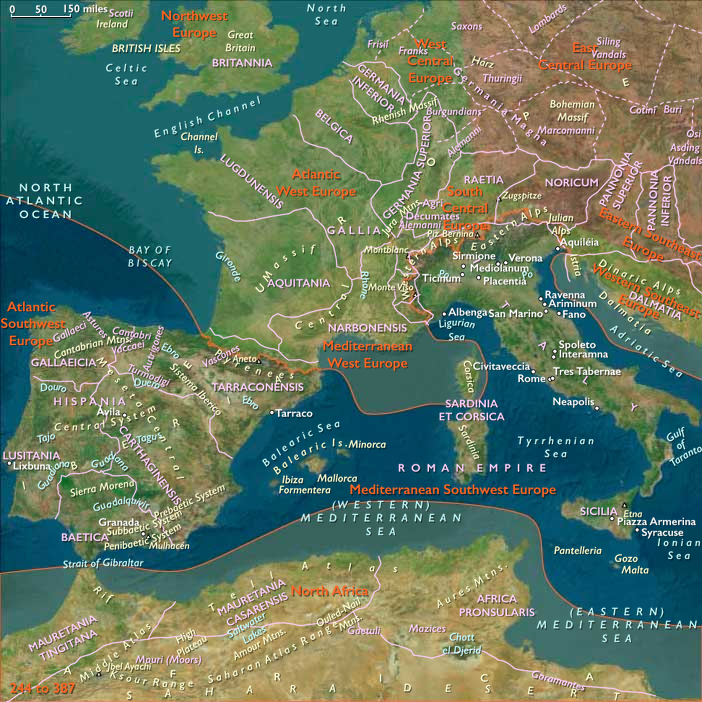
Subregions
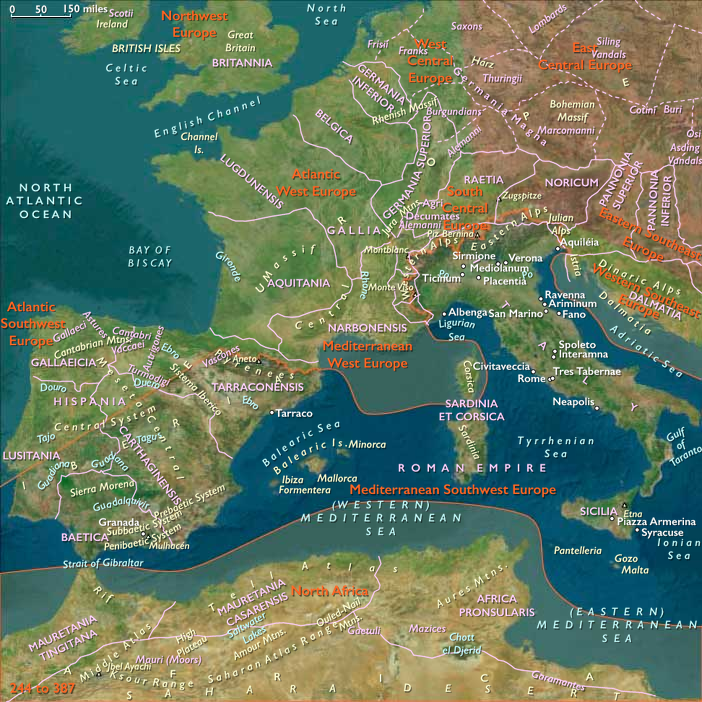
Related Events
Showing 10 events out of 60348 total
Years: 256 - 267
Groups
- Germans
- Christians, Early
- Roman Empire (Rome): Severan dynasty
- Persian Empire, Sassanid, or Sasanid
- Roman Empire (Rome): Non-dynastic
Topics
Subjects
Regions
Subregions