
Mediterranean Southwest Europe (208–219 CE): Severan Campaigns …
Years: 208 - 219
Mediterranean Southwest Europe (208–219 CE): Severan Campaigns and Continued Stability
The era 208–219 CE in Mediterranean Southwest Europe sees continued stability under the Severan dynasty, marked by extensive military campaigns, sustained administrative reforms, and ongoing cultural vitality. The rule of Septimius Severus, succeeded by his sons, further consolidates the dynasty’s influence across the empire.
Septimius Severus’s Final Campaigns
Between 208 and 211 CE, Emperor Septimius Severus embarks on significant military campaigns in Britain to strengthen Rome’s northern frontier. These extensive military actions are costly but demonstrate Severus’s strategic commitment to safeguarding the empire's territorial integrity. His campaigns result in fortified defenses, notably the reinforcement of Hadrian’s Wall.
Succession of Caracalla and Geta
Upon Severus’s death in 211 CE, his sons, Caracalla and Geta, jointly succeed him. Their initial co-rule quickly descends into rivalry and tension, undermining internal stability. This fraught relationship culminates in Geta’s assassination in 211 CE, after which Caracalla assumes sole authority.
Caracalla’s Rule and Legal Reforms
Caracalla’s reign is marked by continued administrative and legal reforms, most famously the issuance of the Constitutio Antoniniana in 212 CE, extending Roman citizenship to nearly all free inhabitants of the empire. This sweeping reform profoundly reshapes Roman identity, reinforcing imperial unity and altering social dynamics across Mediterranean Southwest Europe and beyond.
Economic and Administrative Continuity
Despite internal political tensions, economic stability and effective provincial administration continue under Caracalla’s rule. Infrastructure development remains a priority, with ongoing investment in roads, aqueducts, and urban improvements, facilitating commerce and regional prosperity.
Cultural and Intellectual Activity
Cultural and intellectual activities continue robustly, reflecting Rome’s sustained vitality. Artistic projects, such as elaborately decorated sarcophagi and architectural developments, flourish. Philosophical and religious debates, particularly within Christian communities, maintain their vibrancy, contributing significantly to the intellectual richness of the era.
Religious Expansion and Christian Communities
Christianity continues to expand, characterized by ongoing theological discourse and intellectual engagement. Early Christian communities increasingly integrate philosophical traditions into their teachings, solidifying Christianity’s place within Roman cultural and intellectual landscapes.
Legacy of the Era
The era 208–219 CE underscores the complexities of imperial governance under the Severan dynasty, combining significant administrative achievements and legal reforms with internal familial and political tensions. Caracalla’s citizenship reform notably transforms Roman society, shaping the empire’s long-term trajectory and reinforcing its political and cultural cohesion, even amidst underlying instabilities.
People
Groups
Subjects
Regions
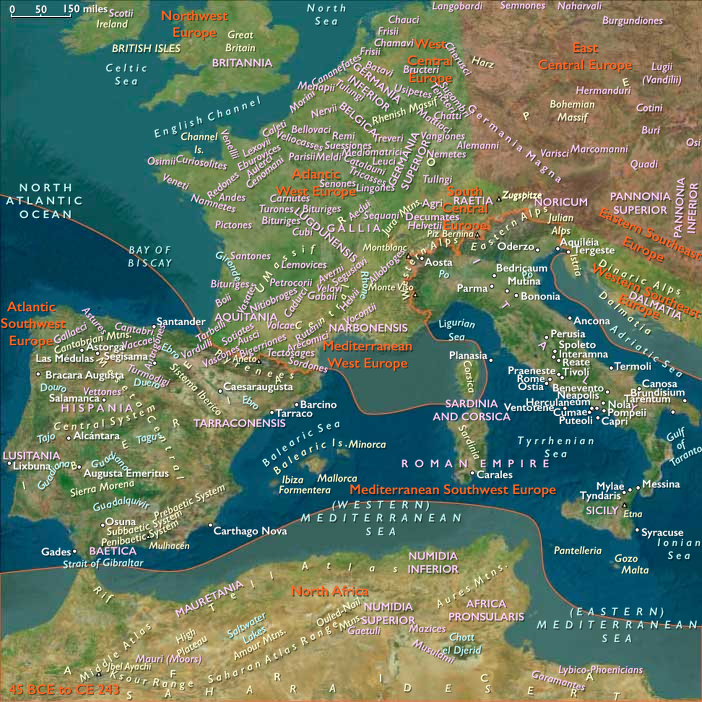
Subregions
Years: 208 - 219
People
Groups
Subjects
Regions
Subregions