
Mediterranean Southwest Europe (1900–1911 CE): Colonial Ambitions, …
Years: 1900 - 1911
Mediterranean Southwest Europe (1900–1911 CE): Colonial Ambitions, Social Tensions, and Cultural Renewal
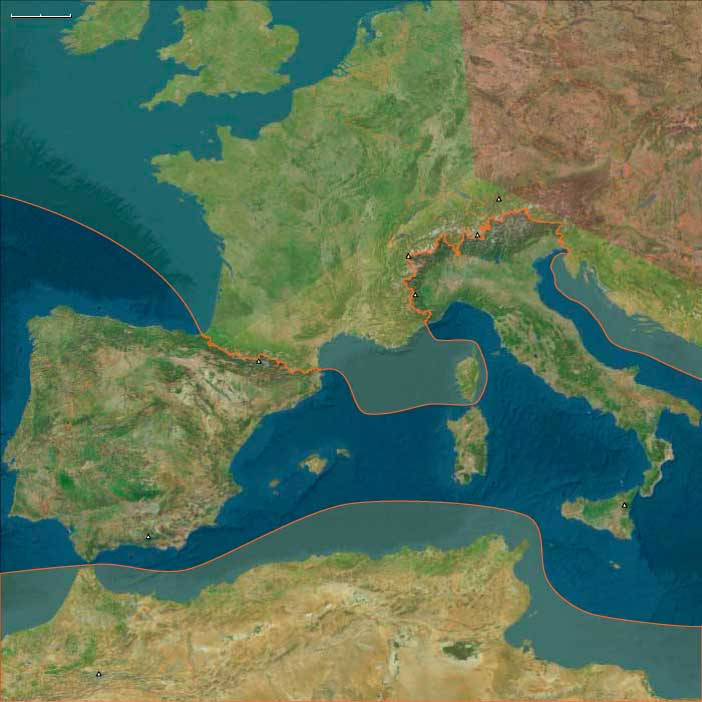
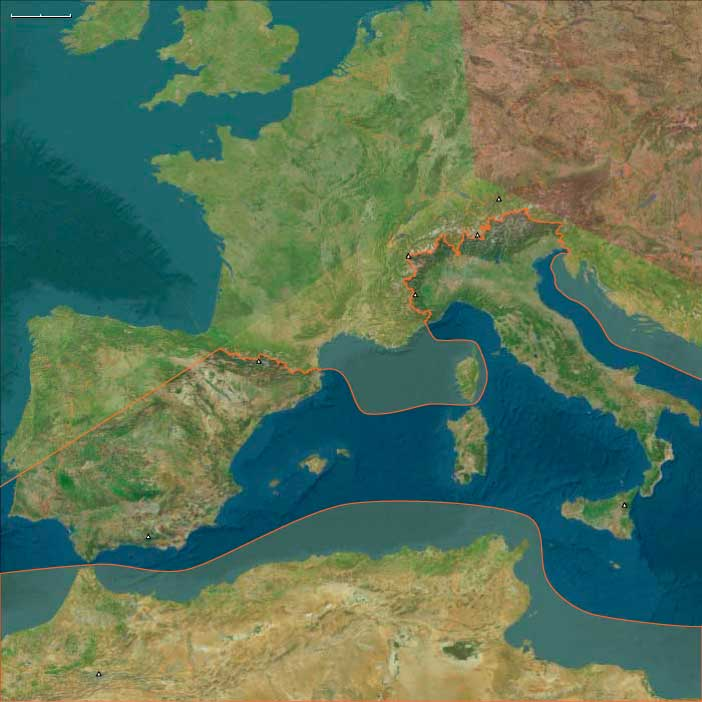
The period from 1900 to 1911 CE in Mediterranean Southwest Europe—encompassing the Italian Peninsula, southern and eastern Spain, southern Portugal, Andorra, the Balearic Islands, Sicily, Sardinia, and Malta—is marked by Italy’s continued colonial pursuits, Spain’s internal political struggles and regeneration efforts, Andorra’s cultural strengthening, and Malta’s stable yet complex colonial experience.
Italy: Continued Colonial Expansion and Industrial Growth
Italy, having recently consolidated its colonial presence in Africa, continues to strengthen its hold on territories such as Eritrea, Somalia, and the newly unified colony of Libya (comprising Tripolitania and Cyrenaica after the Italo-Turkish War of 1911). The nation actively seeks greater international prestige through these colonial ventures, which also serve as a means to divert domestic attention from economic and social challenges at home. Simultaneously, northern Italy experiences significant industrial expansion, deepening the economic divide with the underdeveloped rural south, fueling internal migration and emigration abroad.
Spain: Political Instability and the Quest for Renewal
Following the traumatic defeat in the Spanish-American War, Spain enters the twentieth century facing deep political instability, economic stagnation, and societal introspection. The parliamentary system established during the Bourbon Restoration struggles under the weight of its artificial two-party dynamic and widespread corruption. Increasing social unrest and demands for reform become more pronounced, culminating in urban protests and rural discontent. Intellectuals, continuing the reflective legacy of the "Generation of 1898," promote regenerationist ideals, advocating profound cultural and political changes to reinvigorate Spanish society.
Andorra: National Consciousness and Cultural Affirmation
Andorra actively participates in the broader Catalan cultural renaissance (Renaixença), strengthening its Catalan identity through education, literature, and artistic expression. The principality witnesses a steady cultural awakening, propelled by local intellectuals and literary figures who emphasize Andorran distinctiveness and heritage. While political tensions from the previous century gradually ease, debates persist regarding foreign economic influences, particularly around tourism and gambling, reflecting a society cautiously navigating modernity.
Malta: Stable Administration and Emerging National Identity
Under stable British colonial administration, Malta experiences steady economic and infrastructural improvements, particularly benefiting from its strategic importance within the British Empire. Despite the apparent stability, tensions surface around linguistic and educational policies, as Maltese national identity gradually asserts itself against the backdrop of British imperial dominance. Maltese society, though generally prosperous, increasingly engages in debates about autonomy, cultural preservation, and political self-determination.
Conclusion: Striving for Stability and Identity
From 1900 to 1911, Mediterranean Southwest Europe is a region of contrasts—Italy pushes its colonial ambitions abroad, Spain faces internal crises and intellectual challenges, Andorra consolidates its national culture, and Malta experiences relative prosperity under colonial rule but with emerging aspirations for autonomy. These diverse trajectories illustrate a region actively redefining itself amidst global changes, setting the stage for further transformations in the approaching decades.
Groups
- Andorra, Principality of
- Malta
- Ottoman Empire
- Italy, Kingdom of
- Spain, Bourbon Kingdom (second restoration) of
- Italian Eritrea
- Italian Somaliland
Topics
Subjects
Regions
Subregions
Years: 1900 - 1911
Groups
- Andorra, Principality of
- Malta
- Ottoman Empire
- Italy, Kingdom of
- Spain, Bourbon Kingdom (second restoration) of
- Italian Eritrea
- Italian Somaliland
Topics
Subjects
Regions
Subregions