
Mediterranean Southwest Europe (1696–1707 CE): Dynastic Shifts …
Years: 1696 - 1707
Mediterranean Southwest Europe (1696–1707 CE): Dynastic Shifts and Cultural Innovations
The era 1696–1707 CE in Mediterranean Southwest Europe is shaped by significant dynastic changes, intensified political struggles, and vibrant cultural developments that lay critical foundations for the eighteenth century.
Spain: The End of the Habsburg Dynasty and Succession Crisis
In Spain, the death of Charles II in 1700 marks the end of the Spanish Habsburg line. Severely affected by generations of intermarriage, Charles II's inability to produce an heir triggers a major succession crisis. Despite Habsburg claims, Charles II wills the throne to his grand-nephew, Philip of Anjou, a Bourbon and grandson of Louis XIV of France. Philip ascends as Philip V (1700–1746), igniting fears across Europe of a Franco-Spanish union. The resulting tensions erupt into the War of the Spanish Succession (1702–1714), the first significant European conflict of global scale.
An Anglo-Austrian coalition opposes Bourbon control, supporting Archduke Charles of Austria. Although Castile warmly accepts Philip, Catalonia resists Bourbon centralization, aligning with the Austrians to defend their traditional liberties (fueros). This internal division underscores deep-seated tensions between centralized monarchy and regional autonomy, significantly impacting Spain's internal political landscape.
Italy: Papal Reforms and Cultural Vibrancy
In Italy, the pontificate of Pope Innocent XII (Antonio Pignatelli, 1691–1700) emphasizes moral and administrative reform. Innocent XII vigorously combats nepotism with his landmark bull, Romanum decet Pontificem (1692), promoting meritocracy and austere governance. His successor, Pope Clement XI (Giovanni Francesco Albani, 1700–1721), assumes leadership during turbulent times, navigating between French and Austrian interests amid the Spanish succession turmoil.
This period also witnesses key cultural innovations. In Florence, the invention of the piano by Bartolomeo Cristofori around 1700 revolutionizes musical expression and performance. The vibrant cultural scene continues in cities like Venice and Rome, nurturing the arts, architecture, and opera, even as political uncertainties loom.
Malta: Strategic Consolidation and Medical Leadership
Malta continues its strategic consolidation under the Knights Hospitaller, significantly expanding and fortifying Valletta. Following the previous era's medical advancements, Malta solidifies its reputation in public health through continued improvements at the renowned Sacra Infermeria. These developments enhance Malta's resilience against health crises, reinforcing its strategic importance and cultural sophistication in the Mediterranean.
Broader Cultural and Intellectual Shifts
Throughout Mediterranean Southwest Europe, the influence of the early Enlightenment grows steadily. The ongoing influx of global commodities like coffee, introduced through Venetian commerce with the Ottoman Empire, continues to fuel vibrant intellectual exchanges in coffeehouses across the region. Moreover, theatrical traditions, notably the commedia dell'arte, remain influential, reflecting broader social themes and artistic creativity.
Legacy and Transformation
The era 1696–1707 CE thus represents a dynamic period of dynastic transition, cultural innovation, and intellectual ferment. Spain's succession crisis reshapes European diplomacy, while Italy and Malta experience cultural and strategic advancements. Collectively, these developments set the stage for pivotal transformations in the coming decades.
People
- Bartolomeo Cristofori
- Charles II of Spain
- Charles VI, Holy Roman Emperor, King of the Romans (King of Germany)
- Louis XIV of France
- Philip V of Spain
- Pope Clement XI
- Pope Innocent XII
Groups
- Malta
- Italy, Kingdom of (Holy Roman Empire)
- Genoa, (Most Serene) Republic of
- Christians, Roman Catholic
- Venice, (Most Serene) Republic of
- Austria, Archduchy of
- Holy Roman Empire
- Ottoman Empire
- Spain, Habsburg Kingdom of
- Knights of Malta, Sovereign and Military Order of the
- Tuscany, Grand Duchy of
- Habsburg Monarchy, or Empire
- England, (Stewart, Restored) Kingdom of
- England, (Orange and Stewart) Kingdom of
Topics
Commodoties
Subjects
- Commerce
- Architecture
- Performing Arts
- Public health
- Faith
- Government
- Custom and Law
- Catastrophe
- Medicine
Regions
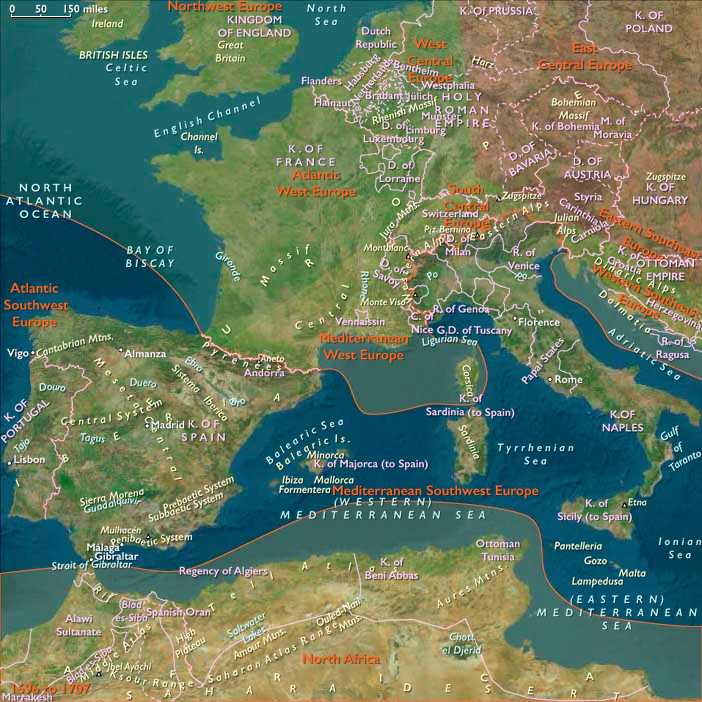
Subregions
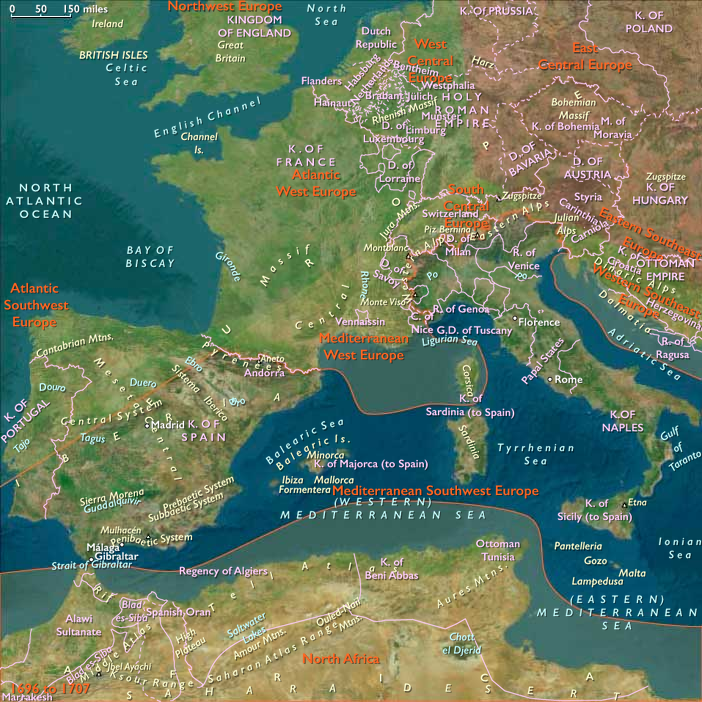
Years: 1696 - 1707
People
- Bartolomeo Cristofori
- Charles II of Spain
- Charles VI, Holy Roman Emperor, King of the Romans (King of Germany)
- Louis XIV of France
- Philip V of Spain
- Pope Clement XI
- Pope Innocent XII
Groups
- Malta
- Italy, Kingdom of (Holy Roman Empire)
- Genoa, (Most Serene) Republic of
- Christians, Roman Catholic
- Venice, (Most Serene) Republic of
- Austria, Archduchy of
- Holy Roman Empire
- Ottoman Empire
- Spain, Habsburg Kingdom of
- Knights of Malta, Sovereign and Military Order of the
- Tuscany, Grand Duchy of
- Habsburg Monarchy, or Empire
- England, (Stewart, Restored) Kingdom of
- England, (Orange and Stewart) Kingdom of
Topics
Commodoties
Subjects
- Commerce
- Architecture
- Performing Arts
- Public health
- Faith
- Government
- Custom and Law
- Catastrophe
- Medicine
Regions
Subregions