
Mediterranean Southwest Europe (28–39 CE): Turmoil under …
Years: 28 - 39
Mediterranean Southwest Europe (28–39 CE): Turmoil under Tiberius and Caligula’s Ascension
The era 28–39 CE is marked by significant political upheaval, characterized by the downfall of Sejanus, the increasingly reclusive governance of Tiberius, and the turbulent rise of Caligula, setting the stage for profound changes in Roman leadership and stability.
Downfall of Sejanus and Political Turmoil
In 31 CE, Lucius Aelius Sejanus, whose influence had significantly shaped imperial policies, dramatically falls from power. Accused of treasonous plots against Emperor Tiberius, Sejanus is executed along with numerous allies and family members. His abrupt downfall creates a climate of fear and suspicion, profoundly destabilizing Rome’s political elite.
Reclusive Rule of Tiberius
Following the demise of Sejanus, Tiberius becomes increasingly withdrawn, governing Rome from isolation on the island of Capri. His seclusion contributes to growing uncertainty and instability in Roman political life, as communication with the emperor becomes difficult, leading to greater reliance on intermediaries and bureaucratic officials.
Tiberius’s remote governance style exacerbates tensions within the Senate and among the Roman populace, who perceive his absence as neglectful and suspicious.
Economic Stability and Provincial Administration
Despite political instability in Rome, the provinces—including Mediterranean Southwest Europe—continue to experience relative economic stability and administrative continuity. Tiberius’s careful financial management and established bureaucratic structures help sustain the prosperity and functionality of Roman territories.
Caligula’s Succession and Initial Popularity
In 37 CE, following the death of Tiberius, Caligula, the son of the popular general Germanicus and great-nephew of Tiberius, ascends to power. Initially, Caligula’s accession is met with widespread enthusiasm among the Roman populace, hopeful that he will restore transparency and vitality to imperial leadership after the isolation and suspicion of Tiberius’s later reign.
Early Reign of Caligula and Public Works
Caligula initially embarks on public works projects, generous spending, and measures aimed at regaining popular favor and restoring a more visible imperial presence. His actions reflect a conscious effort to contrast his governance with the withdrawn and unpopular final years of Tiberius.
However, Caligula’s promising start quickly deteriorates into erratic and increasingly autocratic behavior, undermining initial optimism and generating widespread discontent and fear within Roman society and its political establishment.
Cultural and Social Developments
Cultural activities continue during this turbulent era, with ongoing literary, artistic, and architectural endeavors reflecting both continuity and reactions to political instability. Roman culture remains vibrant yet increasingly reflective of underlying societal anxieties and uncertainties brought about by erratic imperial leadership.
Legacy of the Era
The period 28–39 CE dramatically illustrates the vulnerabilities inherent in Rome’s imperial succession and governance. The profound impact of Sejanus’s downfall, Tiberius’s reclusive final years, and Caligula’s turbulent rise to power underscores the fragile nature of imperial stability and sets the stage for continued volatility in Roman leadership.
People
Groups
Topics
Subjects
Regions
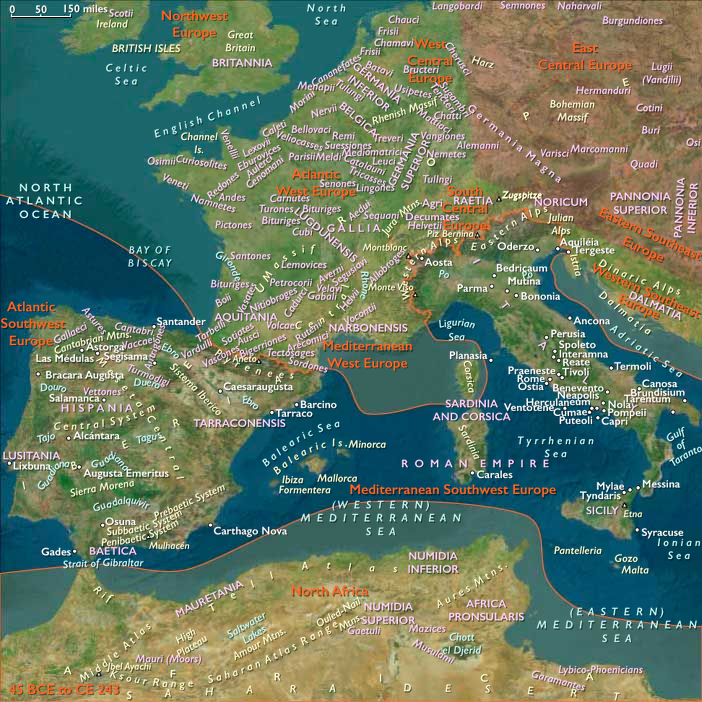
Subregions
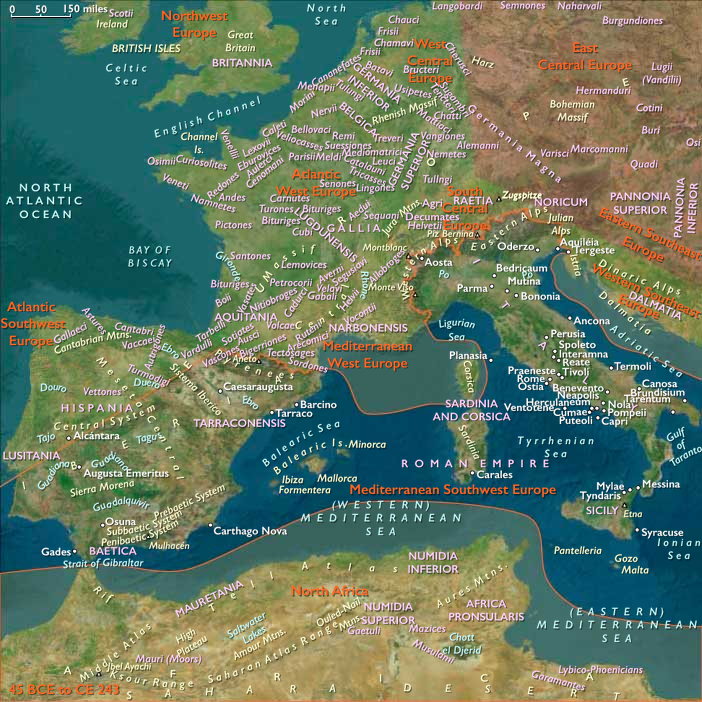
Related Events
Showing 3 events out of 3 total
Years: 28 - 39
People
Groups
Topics
Subjects
Regions
Subregions