
Mediterranean Southwest Europe (1624–1635 CE): Artistic Triumphs, …
Years: 1624 - 1635
Mediterranean Southwest Europe (1624–1635 CE): Artistic Triumphs, Epidemic Crisis, and Political Challenges
The period 1624–1635 CE in Mediterranean Southwest Europe is marked by profound contrasts. It showcases artistic flourishing and advancements in science and culture alongside devastating epidemics and turbulent political developments. From Italy’s extraordinary artistic achievements to Spain’s ongoing literary and political challenges, and Malta’s continued defensive enhancements, the era captures the complexities of regional life within the broader European context.
Italy: Baroque Mastery and Plague Devastation
Italy continues as Europe's artistic powerhouse, epitomized by the work of Gian Lorenzo Bernini, who solidifies his position as the leading figure of Baroque sculpture and architecture. His completion of major works such as the Baldacchino in St. Peter's Basilica (1624–1633) reinforces Rome’s cultural preeminence. Concurrently, Caravaggio's legacy influences Italian art profoundly, characterized by dramatic chiaroscuro and emotional realism.
However, artistic triumph is marred by tragedy as the bubonic plague sweeps through Italy in 1629–1631, devastating cities including Milan, Venice, Florence, and Bologna. Milan suffers heavily, losing nearly half of its population—an event vividly chronicled by Alessandro Manzoni in his novel I promessi sposi (The Betrothed). Venice sees a catastrophic loss of approximately one-third of its population, severely impacting trade and industry. Florence, Bologna, Modena, and Parma also experience severe demographic and economic decline.
Despite the epidemic, scientific inquiry thrives as Galileo Galilei continues to expand scientific horizons, notably facing increased scrutiny from religious authorities. His works influence European intellectual circles, emphasizing empirical observation and scientific method.
Spain: Cultural Resilience Amidst Political Strain
Spain endures ongoing political and economic pressures exacerbated by involvement in the Thirty Years’ War (1618–1648), draining resources and weakening political stability. Nonetheless, the literary Golden Age remains vibrant. Pedro Calderón de la Barca emerges as a dominant playwright, producing profound works such as La vida es sueño (Life is a Dream, 1635), exploring complex themes of destiny, free will, and human existence.
In contrast, religious conservatism persists, with the Spanish Inquisition maintaining tight control over cultural expression. This period sees intensified efforts to maintain religious orthodoxy amid broader European religious and political turmoil, reflecting Spain's struggle to preserve stability internally and externally.
Malta: Fortifications and Cultural Influence
Malta, under the Knights Hospitaller, continues strategic fortifications, constructing additional watchtowers and coastal defenses to reinforce Mediterranean security against Ottoman threats. The island maintains its cultural prestige through the renowned Sacra Infermeria, an advanced hospital celebrated across Europe for pioneering healthcare practices.
Valletta flourishes culturally, serving as a significant Mediterranean center for art and intellectual exchange. The Knights promote cultural and religious endeavors, enhancing Malta's European reputation beyond its strategic significance.
Venice: Trade Decline and Cultural Vibrancy
Despite severe losses from the plague, Venice remains an essential commercial hub, albeit one facing diminishing prominence due to the shifting trade routes and increasing European maritime competition. Nonetheless, the city retains cultural vibrancy, particularly through the continued innovations in Baroque music. Claudio Monteverdi continues his influential work, notably in operatic composition, reinforcing Venice’s reputation as a cultural beacon.
Political Dynamics and Shifting Alliances
Throughout Mediterranean Southwest Europe, political landscapes are characterized by complex diplomatic maneuvering and shifting alliances. Italy’s city-states navigate the repercussions of the Thirty Years’ War, adjusting alliances to preserve autonomy and economic interests. In contrast, Spain’s involvement in widespread European conflicts exacerbates domestic instability, challenging its economic and political foundations.
Legacy of the Era
The years 1624–1635 CE in Mediterranean Southwest Europe reflect a period of paradox—simultaneous artistic brilliance and catastrophic epidemics, cultural vibrancy, and intense political strain. Italy's profound artistic achievements and scientific inquiry, Spain's literary depth amidst political turmoil, Malta's fortified and culturally enriched society, and Venice's resilient economic and cultural life collectively illustrate the region's dynamic resilience amid adversity, laying critical foundations for future historical transformations.
People
- Artemisia Gentileschi
- Claudio Monteverdi
- Félix Lope de Vega
- Galileo Galilei
- Gian Lorenzo Bernini
- Pedro Calderón de la Barca
Groups
- Papal States (Republic of St. Peter)
- Andorra, Principality of
- Malta
- Italy, Kingdom of (Holy Roman Empire)
- Christians, Roman Catholic
- Tyrol, County of
- Venice, (Most Serene) Republic of
- Holy Roman Empire
- Milan, Duchy of
- Ottoman Empire
- Spain, Habsburg Kingdom of
- Knights of Malta, Sovereign and Military Order of the
- Tuscany, Grand Duchy of
Topics
- Humanism, Renaissance
- Renaissance, Italian
- Spanish Golden Age
- Counter-Reformation (also Catholic Reformation or Catholic Revival)
- Thirty Years' War
Commodoties
Subjects
- Commerce
- Painting and Drawing
- Public health
- Conflict
- Faith
- Government
- Custom and Law
- Catastrophe
- Medicine
Regions
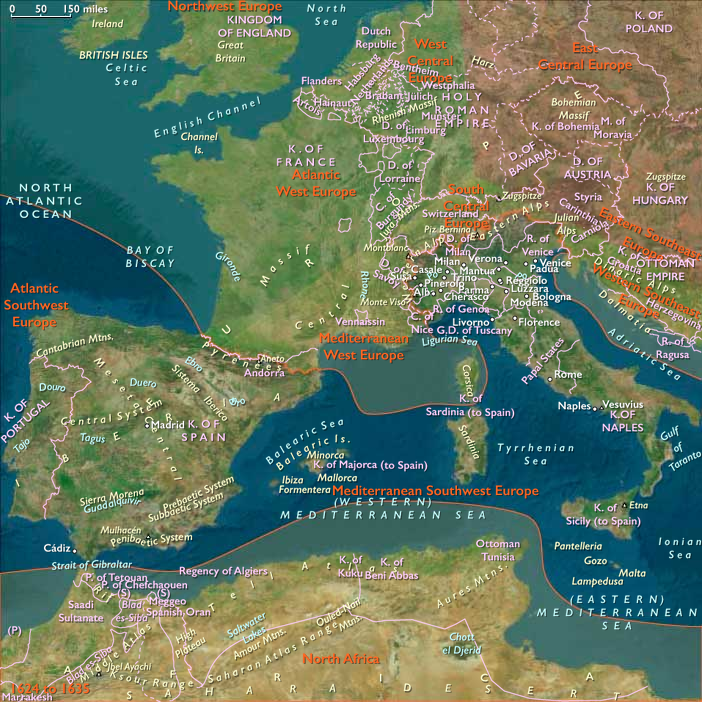
Subregions
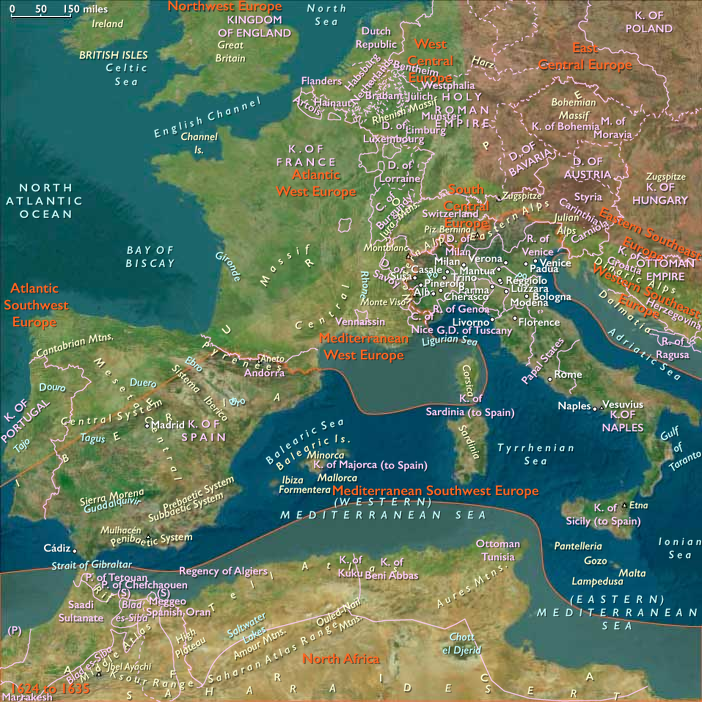
Years: 1624 - 1635
People
- Artemisia Gentileschi
- Claudio Monteverdi
- Félix Lope de Vega
- Galileo Galilei
- Gian Lorenzo Bernini
- Pedro Calderón de la Barca
Groups
- Papal States (Republic of St. Peter)
- Andorra, Principality of
- Malta
- Italy, Kingdom of (Holy Roman Empire)
- Christians, Roman Catholic
- Tyrol, County of
- Venice, (Most Serene) Republic of
- Holy Roman Empire
- Milan, Duchy of
- Ottoman Empire
- Spain, Habsburg Kingdom of
- Knights of Malta, Sovereign and Military Order of the
- Tuscany, Grand Duchy of
Topics
- Humanism, Renaissance
- Renaissance, Italian
- Spanish Golden Age
- Counter-Reformation (also Catholic Reformation or Catholic Revival)
- Thirty Years' War
Commodoties
Subjects
- Commerce
- Painting and Drawing
- Public health
- Conflict
- Faith
- Government
- Custom and Law
- Catastrophe
- Medicine
Regions
Subregions