
Mediterranean Southwest Europe (172–183 CE): Marcus Aurelius’s …
Years: 172 - 183
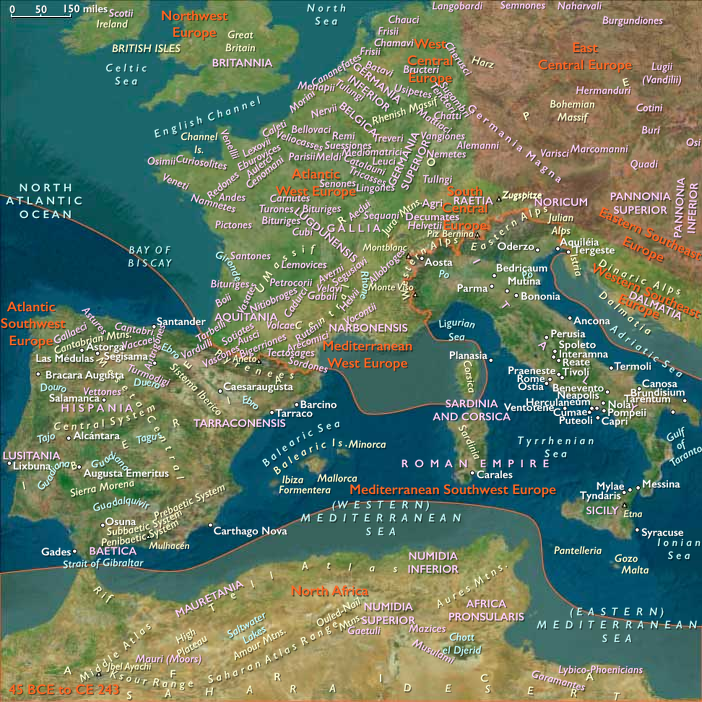
Mediterranean Southwest Europe (172–183 CE): Marcus Aurelius’s Reign and Continued Philosophical Influence
The era 172–183 CE in Mediterranean Southwest Europe continues under the philosophically-driven reign of Marcus Aurelius, witnessing significant military and political challenges alongside sustained intellectual and cultural dynamism.
Marcus Aurelius and the Marcomannic Wars
During this period, Emperor Marcus Aurelius devotes considerable attention to military affairs, notably the Marcomannic Wars (166–180 CE), a series of conflicts against Germanic tribes along Rome's northern borders. Despite his preference for philosophical contemplation, Aurelius demonstrates resilience and strategic skill in managing these prolonged military campaigns, safeguarding imperial stability.
Philosophical Reflections: Meditations
Throughout these turbulent years, Marcus Aurelius composes his philosophical masterpiece, Meditations. This introspective work embodies Stoic principles, emphasizing duty, rationality, and personal virtue in the face of adversity. The Meditations become influential beyond their era, profoundly shaping philosophical thought and ethical reflection in Roman society and beyond.
Continuing Artistic and Cultural Flourishing
Cultural and artistic vitality remains strong, highlighted by ongoing innovations in sculpture, architecture, and literature. Roman sarcophagi continue to be intricately crafted, exemplifying high-relief techniques depicting detailed mythological narratives and reinforcing the cultural sophistication of the period.
Early Christian Communities and Continued Debates
This era witnesses sustained growth and theological development within early Christian communities, marked by ongoing doctrinal debates and philosophical exchanges. Intellectual figures following in the footsteps of Justin Martyr and Tatian further elaborate Christian theology, addressing Roman philosophical traditions and religious controversies, and contributing to Christianity’s gradual expansion and intellectual integration.
Economic Resilience and Infrastructure Development
Mediterranean Southwest Europe maintains robust economic health, supported by consistent trade, stable governance, and sustained infrastructure development. Imperial patronage ensures the continued enhancement of roads, ports, aqueducts, and public facilities, facilitating economic prosperity and urban cohesion.
Legacy of Marcus Aurelius and Cultural Continuity
The era 172–183 CE solidifies Marcus Aurelius’s legacy as both a capable ruler and an influential philosopher-emperor. His thoughtful governance during military crises, combined with profound philosophical insights captured in the Meditations, reinforces the era’s intellectual and cultural strengths. This period leaves an enduring impact, influencing subsequent Roman imperial philosophy, ethics, and governance.
People
Groups
Topics
Subjects
Regions
Subregions
Years: 172 - 183
People
Groups
Topics
Subjects
Regions
Subregions