
Mediterranean Southwest Europe (148–159 CE): Religious Debates …
Years: 160 - 171
Mediterranean Southwest Europe (148–159 CE): Religious Debates and Roman Authority
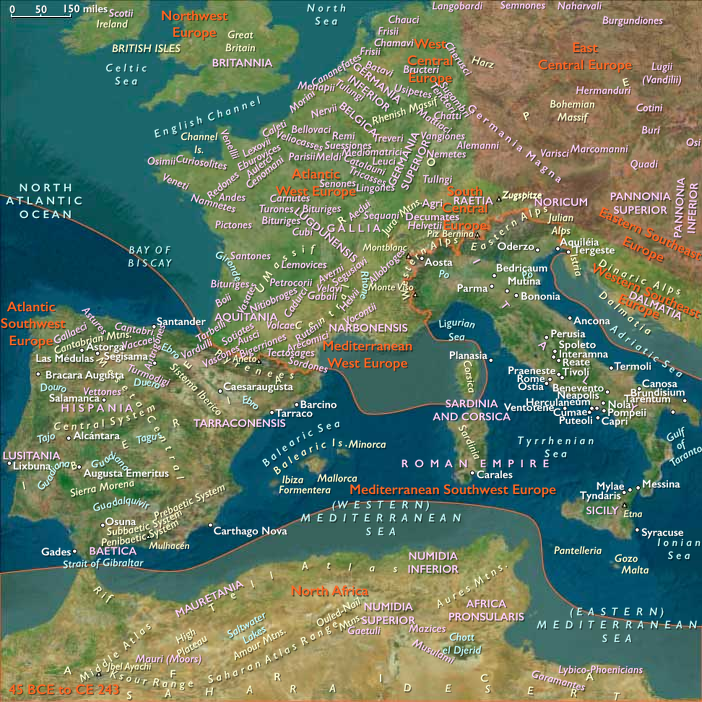
The era 148–159 CE in Mediterranean Southwest Europe is notable for important religious developments and early indications of Rome's central role in Christian doctrinal discussions. This period highlights interactions between prominent early Christian figures and significant religious controversies.
Polycarp's Visit to Rome and the Paschal Controversy
During the pontificate of Pope Anicetus, the aged Polycarp of Smyrna, a disciple of John the Evangelist, visits Rome to discuss the celebration of Passover. Polycarp and the Church of Smyrna celebrate the crucifixion on the fourteenth day of Nisan, coinciding with the Jewish Passover, regardless of the weekday. In contrast, the Roman Church celebrates Pasch (Easter) on Sunday, commemorating Jesus' resurrection.
Although Polycarp and Anicetus fail to reach an agreement on a unified date for the celebration, Anicetus permits Polycarp and his church to maintain their traditional observance. This divergence initiates the Paschal controversy, which intensifies in subsequent centuries.
Visits by Hegesippus and Early Significance of the Roman See
The historian Hegesippus also visits Rome during Anicetus’s pontificate, reflecting the increasing prominence and importance of the Roman See in early Christian communities. This visit underscores the Roman Church's emerging role as a focal point of doctrinal and ecclesiastical authority.
Anicetus's Opposition to Heresies
Pope Anicetus actively opposes emerging religious movements perceived as heretical, notably Montanism, Gnosticism, and Marcionism. He becomes the first Roman bishop documented to explicitly condemn such teachings, reinforcing the doctrinal authority of Rome and setting precedents for ecclesiastical orthodoxy.
Additionally, Anicetus issues specific regulations, such as decreeing that priests must not have long hair—a measure possibly intended to distinguish orthodox clergy from Gnostic practitioners, known for wearing their hair long.
Continued Economic Prosperity and Provincial Integration
Under Antoninus Pius, Mediterranean Southwest Europe maintains its robust economic growth, with Iberia continuing to be a key provider of exports such as gold, wool, olive oil, and wine. Sustained provincial integration contributes significantly to the region's ongoing prosperity.
Infrastructure and Urban Development
Antoninus Pius continues emphasizing infrastructure projects and urban improvements, enhancing connectivity, trade, and public amenities. These efforts further solidify the empire’s economic and administrative efficiency, benefiting both urban and rural populations.
Cultural and Intellectual Vibrancy
Cultural and intellectual life continues to thrive, supported by Antoninus’s patronage. Literary, philosophical, and scientific endeavors flourish, maintaining Rome’s sophisticated intellectual traditions and scientific inquiries.
Legacy of the Era
The era 148–159 CE is marked by significant religious debates, emphasizing Rome’s emerging role as a center of ecclesiastical authority and doctrinal definition. Coupled with sustained economic prosperity and cultural vibrancy, these developments profoundly shape the trajectory of Mediterranean Southwest Europe, influencing religious, social, and cultural dynamics for generations to come.
People
Groups
- Jews
- Hispania Tarraconensis (Roman province)
- Hispania Baetica (Roman province)
- Christians, Jewish
- Christians, Early
- Roman Empire (Rome): Flavian dynasty
- Gnosticism
- Marcionism
- Montanism
Topics
Commodoties
Subjects
- Commerce
- Writing
- Architecture
- Fashion
- Faith
- Government
- Custom and Law
- Metallurgy
- Medicine
- Chemistry
- Philosophy and logic
- Alchemy
Regions
Subregions
Years: 160 - 171
People
Groups
- Jews
- Hispania Tarraconensis (Roman province)
- Hispania Baetica (Roman province)
- Christians, Jewish
- Christians, Early
- Roman Empire (Rome): Flavian dynasty
- Gnosticism
- Marcionism
- Montanism
Topics
Commodoties
Subjects
- Commerce
- Writing
- Architecture
- Fashion
- Faith
- Government
- Custom and Law
- Metallurgy
- Medicine
- Chemistry
- Philosophy and logic
- Alchemy
Regions
Subregions