
Mediterranean Southwest Europe (136–147 CE): Hadrian’s Late …
Years: 136 - 147
Mediterranean Southwest Europe (136–147 CE): Hadrian’s Late Reign and Antoninus Pius’s Early Stability
The era 136–147 CE in Mediterranean Southwest Europe encompasses the concluding years of Emperor Hadrian’s influential reign and the smooth transition to the stable and prosperous rule of his successor, Antoninus Pius. This period is characterized by continued cultural patronage, administrative stability, and sustained economic prosperity.
Hadrian’s Final Years and Imperial Succession
Hadrian’s later reign is marked by consolidation of his earlier initiatives, ensuring lasting cultural and administrative impacts. Recognizing the importance of stable succession, Hadrian adopts Antoninus Pius in 138 CE, guaranteeing continuity and reinforcing the principle of merit-based succession.
Hadrian’s death in 138 CE is followed by his deification by the Roman Senate, honoring his extensive contributions to Rome’s cultural and architectural heritage.
Antoninus Pius: A New Era of Stability
Antoninus Pius ascends to the throne in 138 CE, inaugurating a notably peaceful and prosperous reign. His rule is characterized by political stability, administrative efficiency, and a commitment to maintaining Hadrian’s legacy of cultural patronage and urban development.
Antoninus promotes judicial reforms, emphasizing legal clarity and fairness. His careful and conscientious administration reinforces Rome’s stability, significantly benefiting Mediterranean Southwest Europe.
Economic Continuity and Prosperity
Under Antoninus Pius, Mediterranean Southwest Europe continues to flourish economically. Iberia maintains its robust role in the imperial economy, exporting gold, wool, olive oil, and wine. The sustained economic vitality supports extensive urbanization and infrastructure improvements, ensuring ongoing provincial prosperity.
Cultural Patronage and Intellectual Activity
Antoninus Pius continues Hadrian’s tradition of cultural and intellectual patronage. Literature, philosophy, and scientific studies thrive, further enriching Roman intellectual and cultural life. Prominent intellectuals continue to document scientific knowledge, contributing to Rome’s sophisticated understanding of natural sciences and technology.
Infrastructure and Urban Enhancements
Antoninus’s administration emphasizes infrastructure development, ensuring the maintenance and enhancement of roads, aqueducts, and public buildings. This continued commitment reinforces urban livability and economic connectivity across the empire, particularly benefiting urban centers in Iberia and Italy.
Scientific and Technological Advances
Roman scholars maintain their exploration and application of materials such as mercury, antimony, and arsenic-based compounds, illustrating continued advancements in Roman metallurgy and chemistry. The widespread use and documentation of these substances reflect the practical and scientific sophistication of the period.
Legacy of the Era
The era 136–147 CE solidifies the transition from Hadrian’s dynamic rule to Antoninus Pius’s stabilizing leadership. Marked by administrative continuity, cultural flourishing, and sustained economic prosperity, this period significantly reinforces Rome’s imperial stability and cultural identity, setting the stage for the ongoing successes of the Antonine dynasty.
People
Groups
- Hispania Tarraconensis (Roman province)
- Hispania Baetica (Roman province)
- Roman Empire (Rome): Flavian dynasty
Topics
Commodoties
Subjects
- Commerce
- Writing
- Architecture
- Government
- Custom and Law
- Metallurgy
- Medicine
- Chemistry
- Philosophy and logic
- Alchemy
Regions
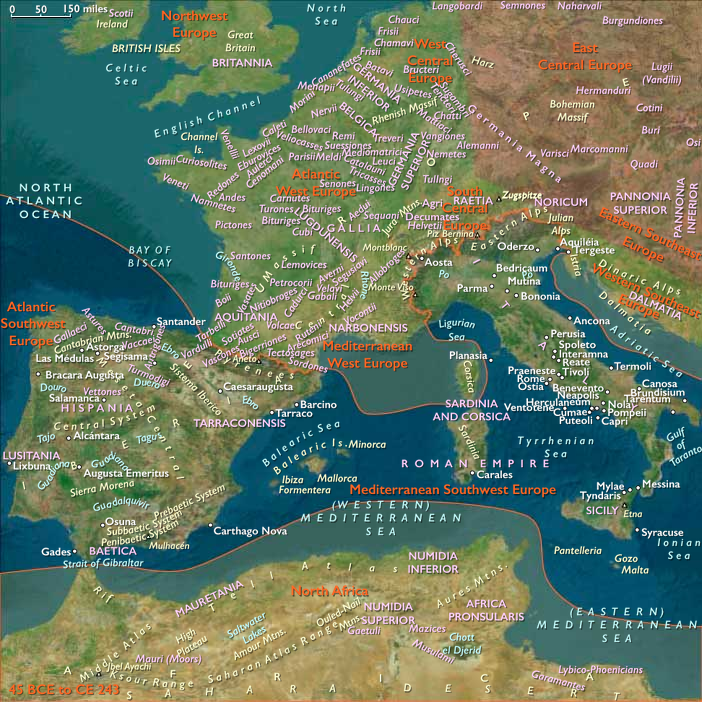
Subregions
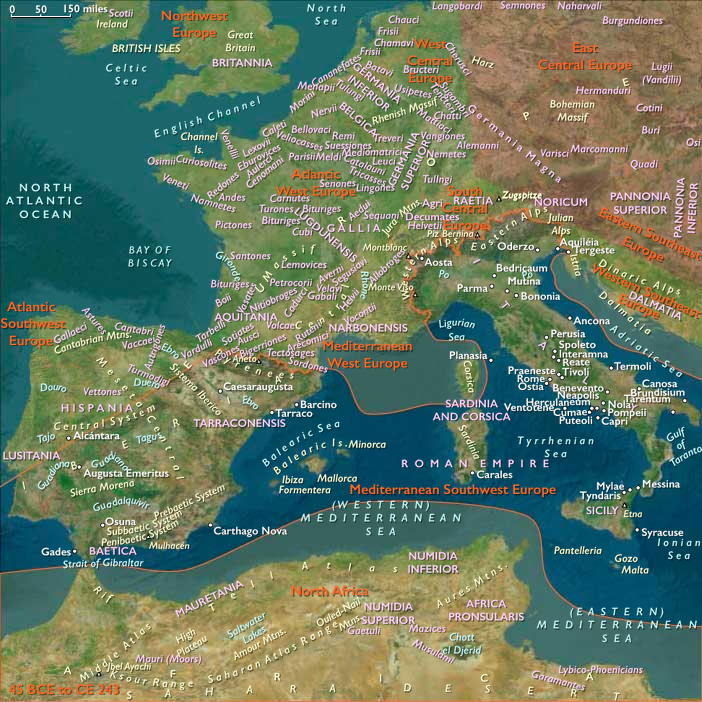
Years: 136 - 147
People
Groups
- Hispania Tarraconensis (Roman province)
- Hispania Baetica (Roman province)
- Roman Empire (Rome): Flavian dynasty
Topics
Commodoties
Subjects
- Commerce
- Writing
- Architecture
- Government
- Custom and Law
- Metallurgy
- Medicine
- Chemistry
- Philosophy and logic
- Alchemy
Regions
Subregions