
Mediterranean Southwest Europe (124–135 CE): Hadrian's Architectural …
Years: 124 - 135
Mediterranean Southwest Europe (124–135 CE): Hadrian's Architectural Innovations and Urban Reforms
The era 124–135 CE in Mediterranean Southwest Europe is distinguished by Emperor Hadrian’s influential reign, characterized by significant architectural achievements, urban reforms, and cultural advancements. Hadrian, known for his artistic patronage and architectural innovation, significantly shapes Rome’s urban and cultural landscape.
Temple of Trajan and Architectural Patronage
Between 125 and 138 CE, Hadrian commissions the Temple of Trajan, dedicated to his deified predecessor Emperor Trajan and his wife Plotina. This temple, located within Trajan's Forum, symbolizes continuity and reverence toward previous imperial achievements, further embedding Trajan’s legacy into Rome’s civic and cultural memory.
The Pantheon: Architectural Marvel
Hadrian begins construction on Rome’s iconic Pantheon, replacing an earlier temple originally commissioned by Agrippa. Despite the misleading inscription on the entrance frieze referencing Agrippa's original structure, Hadrian’s Pantheon represents a groundbreaking achievement in Roman architecture, notably reintroducing molded concrete into temple design. Dedicated to all Roman gods—pan ("all") and theos ("god")—the Pantheon becomes a lasting symbol of Roman architectural ingenuity and religious inclusivity.
Urban Reforms and Building Maintenance
Around 129 CE, Hadrian issues an edict compelling Roman property owners to repair dilapidated buildings. This policy underscores Hadrian’s commitment to urban order, safety, and architectural aesthetics, reflecting his pragmatic approach to governance and urban management.
Economic and Provincial Prosperity
Mediterranean Southwest Europe continues to experience economic prosperity under Hadrian, supported by sustained infrastructure development and flourishing trade networks. Spain, as a significant contributor to Roman economic stability, maintains robust commercial activities, exporting key goods like gold, wool, olive oil, and wine.
Cultural and Intellectual Continuity
The period witnesses continued cultural vibrancy and intellectual achievement, building upon Trajan’s legacy. Literature, philosophy, and scientific inquiry persist, fostering a thriving cultural and intellectual environment throughout Hadrian’s reign.
Scientific Insights and Technological Applications
Continuing earlier traditions, Roman scholars document advanced scientific knowledge and technological practices. Understanding and utilization of materials such as mercury, antimony, and arsenic-based compounds reflect sophisticated Roman metallurgical and chemical expertise.
Legacy of the Era
The era 124–135 CE solidifies Hadrian’s legacy as an emperor deeply engaged in cultural patronage, architectural innovation, and urban reform. His monumental building projects, notably the Pantheon and the Temple of Trajan, symbolize Rome’s enduring architectural achievements, shaping Rome’s imperial identity and leaving an indelible mark on Mediterranean Southwest Europe.
People
Groups
- Hispania Tarraconensis (Roman province)
- Hispania Baetica (Roman province)
- Roman Empire (Rome): Flavian dynasty
Topics
Commodoties
Subjects
- Commerce
- Writing
- Architecture
- Government
- Custom and Law
- Metallurgy
- Medicine
- Chemistry
- Philosophy and logic
- Alchemy
Regions
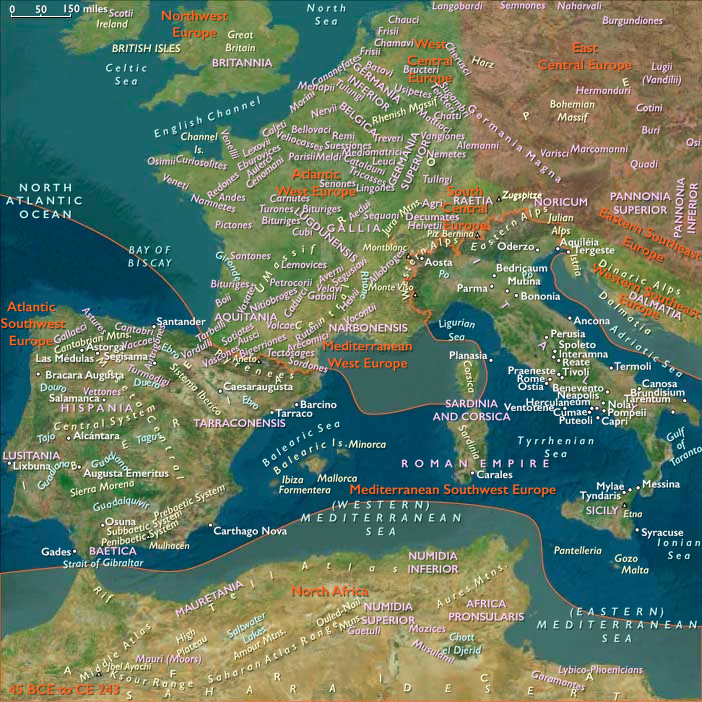
Subregions
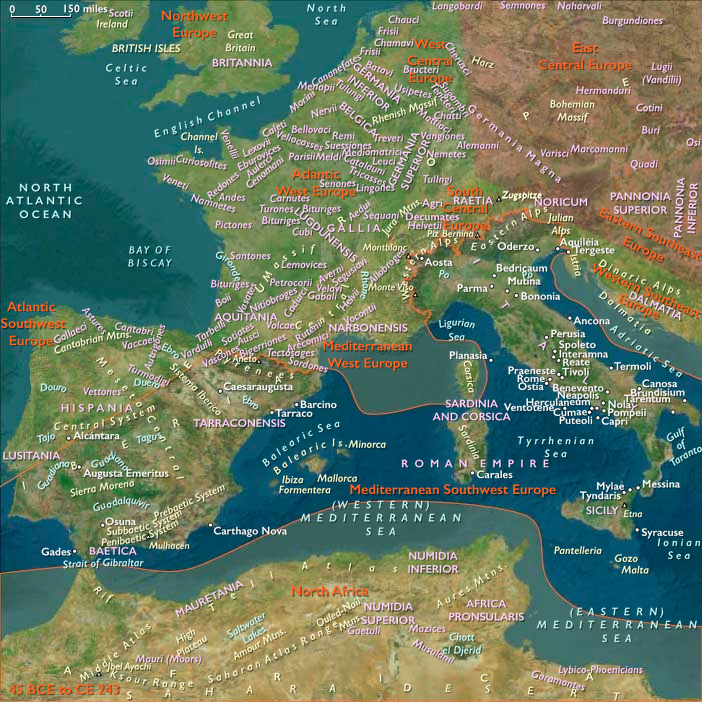
Years: 124 - 135
People
Groups
- Hispania Tarraconensis (Roman province)
- Hispania Baetica (Roman province)
- Roman Empire (Rome): Flavian dynasty
Topics
Commodoties
Subjects
- Commerce
- Writing
- Architecture
- Government
- Custom and Law
- Metallurgy
- Medicine
- Chemistry
- Philosophy and logic
- Alchemy
Regions
Subregions