
Mediterranean Southwest Europe (1036–1047 CE): Taifa Consolidation, …
Years: 1036 - 1047
Mediterranean Southwest Europe (1036–1047 CE): Taifa Consolidation, Papal Reform, and Continued Cultural Vibrancy
The era 1036–1047 CE in Mediterranean Southwest Europe is marked by the continued consolidation of taifa kingdoms following the fall of the Cordoban Caliphate, significant developments in papal reform, and enduring cultural and scholarly vitality.
Taifa Consolidation in Al-Andalus
Following the definitive collapse of the Cordoban Caliphate in 1031 CE, the numerous taifa kingdoms solidify their independence across Iberia. Prominent states, such as Seville, Zaragoza, Granada, and Toledo, establish stable political structures and engage actively in diplomatic and military competition. This era witnesses the emergence of localized dynasties, such as the Abbadids in Seville and the Hammudids, each attempting to assert legitimacy and regional influence amidst intense rivalry.
Papal Reform and Growing Ecclesiastical Authority
In Italy, significant progress occurs in papal reform under the influence of Holy Roman Emperor Henry III. Efforts intensify to purge the lingering corruption inherited from the Saeculum obscurum. The papacy, increasingly independent of Roman aristocratic influence, begins to reclaim its moral and spiritual leadership, setting the foundation for more substantial reform movements later in the eleventh century.
Continued Scholarly and Cultural Activity
Intellectual and cultural life continues thriving, particularly within Jewish and Mozarab communities. Lucena maintains its position as a central hub of Jewish scholarship and intercultural dialogue, while Mozarab communities sustain their role as essential intermediaries between Christian and Islamic traditions, preserving a dynamic intellectual environment in the fragmented Iberian landscape.
Economic Resilience and Technological Advancement
Technological advances, notably the persistent use of the Catalan forge, continue to support regional economic prosperity. Enhanced iron production sustains agricultural productivity, military preparedness, and urban growth, providing economic stability even amidst political decentralization.
Legacy of the Era
The era 1036–1047 CE underscores the stabilization of fragmented taifa states, significant progress toward papal reform, and persistent intellectual and cultural vitality. These developments significantly shape Mediterranean Southwest Europe's medieval trajectory, paving the way for future political, religious, and cultural transformations.
People
Groups
- Berber people (also called Amazigh people or Imazighen, "free men", singular Amazigh)
- Jews
- Moors
- Christianity, Chalcedonian
- Islam
- Al-Garb Al-Andalus
- al-Andalus (Andalusia), Muslim-ruled
- Mozarabs
- Papal States (Republic of St. Peter)
- Muladi
- Abbasid Caliphate (Baghdad)
- Córdoba, (Umayyad) Caliphate of
- Holy Roman Empire
- Hammudid dynasty
- Sevilla, (Abbadid) Muslim statelet, or taifa, of
Topics
Commodoties
Subjects
Regions
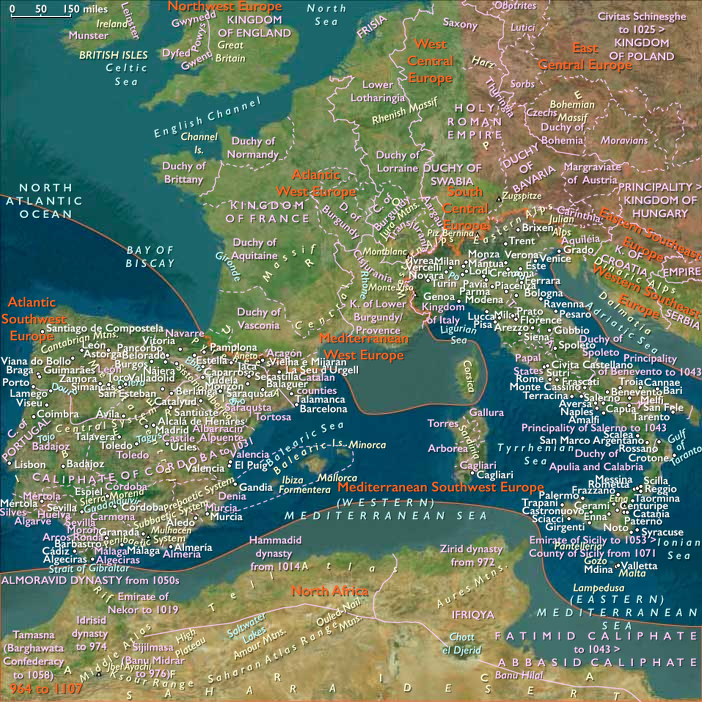
Subregions
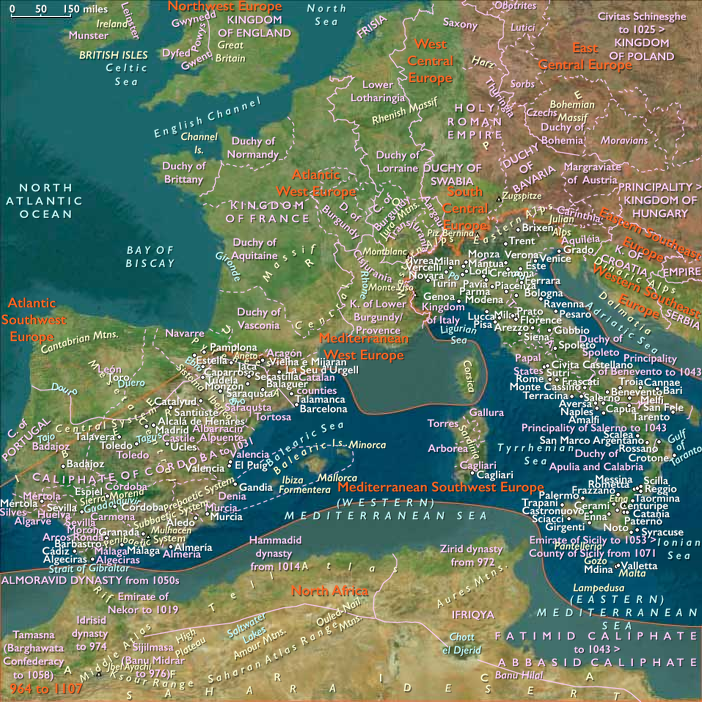
Years: 1036 - 1047
People
Groups
- Berber people (also called Amazigh people or Imazighen, "free men", singular Amazigh)
- Jews
- Moors
- Christianity, Chalcedonian
- Islam
- Al-Garb Al-Andalus
- al-Andalus (Andalusia), Muslim-ruled
- Mozarabs
- Papal States (Republic of St. Peter)
- Muladi
- Abbasid Caliphate (Baghdad)
- Córdoba, (Umayyad) Caliphate of
- Holy Roman Empire
- Hammudid dynasty
- Sevilla, (Abbadid) Muslim statelet, or taifa, of
Topics
Commodoties
Subjects
Regions
Subregions