
Maximian’s Failed Invasion of Britain (288/289 CE) …
Years: 289 - 289
Maximian’s Failed Invasion of Britain (288/289 CE) and the Continued Rule of Carausius
By 288 or 289 CE, Emperor Maximian, co-ruler of the Western Roman Empire, prepared to invade Britain to reclaim the province from Carausius, the rogue naval commander who had declared himself Augustus of Britain and northern Gaul. However, the invasion failed, allowing Carausius to remain in power for several more years.
1. The Roman Invasion Attempt and Its Failure
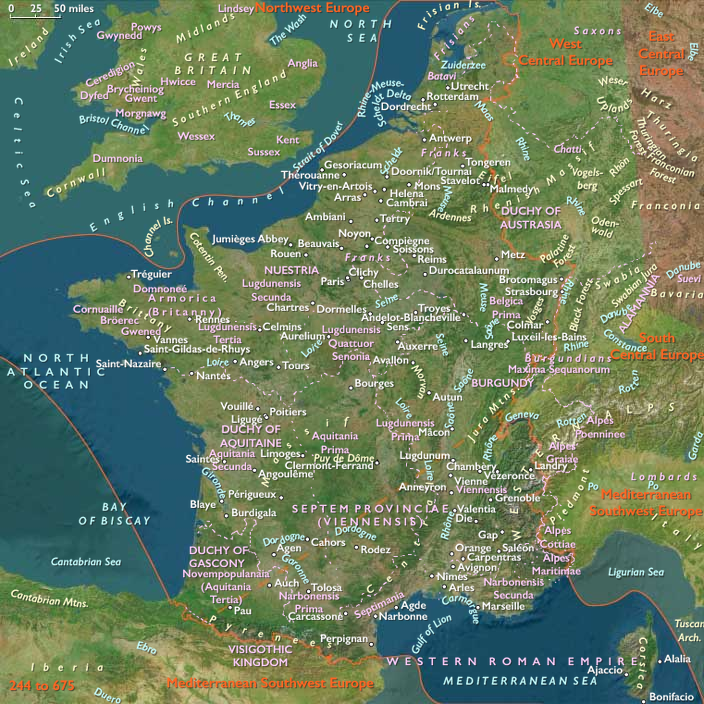
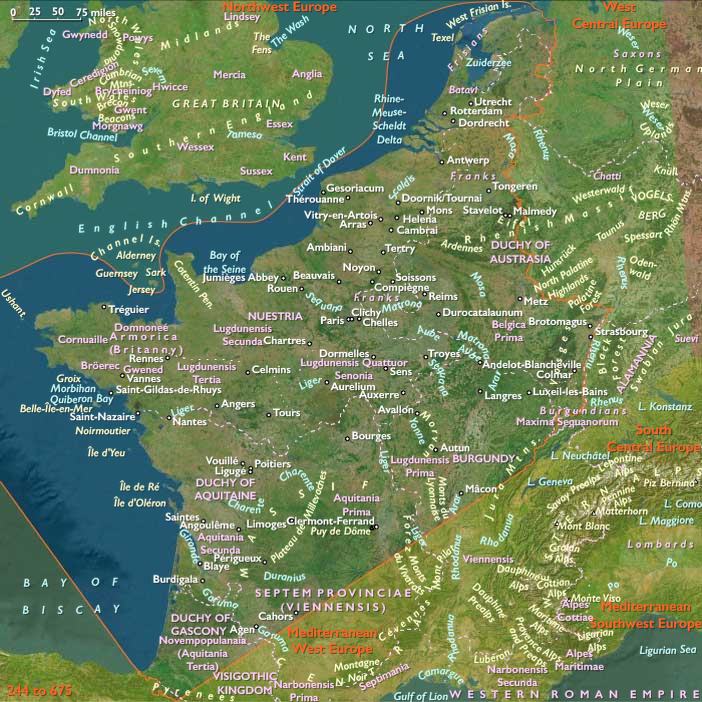
- Maximian assembled a fleet, likely at Gesoriacum (modern Boulogne), intending to retake Britain by force.
- The invasion failed, but sources disagree on why:
- A panegyric to Constantius Chlorus blames bad weather, implying that storms or rough seas prevented the fleet from landing.
- Eutropius, a 4th-century historian, states that the failure was due to Carausius’ military skill, suggesting that his fleet successfully repelled the attack.
- Carausius himself claimed a military victory, further bolstering his legitimacy as ruler of Britain and parts of Gaul.
2. The Aftermath: Stalemate and a Peace Agreement
- Following the failed invasion, neither side could force a decisive outcome, leading to a stalemate.
- Eutropius records that hostilities were in vain, meaning that Rome was unable to dislodge Carausius, despite its military strength.
- As a result, peace was agreed, possibly recognizing de facto independence for Carausius' rule over Britain and northern Gaul.
- Carausius continued to issue coins, portraying himself as a legitimate emperor, emphasizing slogans such as "Restitutor Britanniae" (Restorer of Britain).
3. The Continued Threat of Carausius to Roman Authority
- Carausius’ control over the English Channel meant that Rome could not easily launch another invasionwithout a large naval force.
- His alliance with local Britons, Frankish and Saxon mercenaries, and Roman deserters strengthened his rule.
- However, his separatist state was not politically stable, leading to internal tensions.
4. The Road to Carausius’ Downfall (293 CE)
- In 293 CE, Emperor Diocletian’s Tetrarchy restructured the empire, and Constantius Chlorus was appointed Caesar of the West, tasked with recovering Britain.
- Constantius recaptured Boulogne, cutting Carausius off from his Gallic territories and weakening his position.
- Soon after, Carausius was assassinated by his finance minister, Allectus, who briefly ruled Britain before being defeated by Roman forces in 296 CE.
Conclusion: A Temporary British Empire
- Maximian’s failed invasion of 288/289 CE allowed Carausius to maintain his rule over Britain for several more years.
- His control of the sea and military skill prevented Rome from reclaiming the province until a more coordinated campaign under Constantius Chlorus in 296 CE.
- While Carausius' breakaway state eventually fell, his reign demonstrated the increasing instability of the Western Roman Empire and foreshadowed later provincial revolts that would contribute to Rome’s eventual decline.
Despite his defiance of Roman authority, Carausius' rule remains one of the most remarkable secessionist movements in Roman history, where a naval commander successfully held Britain against the might of the empire for nearly a decade.
Locations
People
Groups
Topics
Commodoties
Subjects
Regions
Subregions
Related Events
Showing 10 events out of 60120 total
Years: 289 - 289
Locations
People
Groups
Topics
Commodoties
Subjects
Regions
Subregions