
The Rise of Augustus and the Birth …
Years: 33BCE - 22BCE
The Rise of Augustus and the Birth of the Roman Empire (27 BCE)
After nearly a century of internal conflict, Octavian successfully ended the Roman civil wars, restoring peace and stability to a state that had been plagued by power struggles, assassinations, and civil unrest.
In 27 BCE, the Senate formally granted Octavian the title of Augustus, marking his transformation into the most powerful figure in the Roman world. This moment signified:
- The end of the Roman Republic and the transition to the autocratic Roman Empire.
- The concentration of power under a single ruler, while maintaining a facade of Republican institutions.
Augustus and the Foundations of the Roman Empire
- As Augustus Caesar, he carefully reshaped Rome’s political system, ensuring his dominance while preserving Senate authority in name only.
- His rule stabilized the empire, bringing an end to the chaotic struggles of the late Republic.
- He enacted economic, legal, and military reforms, securing Rome’s dominance over its vast territories.
The Pax Romana: The Longest Period of Stability in European History
The conclusion of Rome’s final civil war ushered in the Pax Romana ("Roman Peace"), an era of:
- Relative peace and stability across the empire, lasting for over 200 years (27 BCE – 180 CE).
- Expansion and prosperity, as Rome strengthened infrastructure, trade, and governance.
- Cultural flourishing, with advancements in literature, architecture, and engineering.
Significance of Augustus’ Rule
- His reign laid the political and institutional foundations of the Roman Empire, shaping the governance of Europe for centuries.
- He became the model for future emperors, setting a precedent for imperial rule.
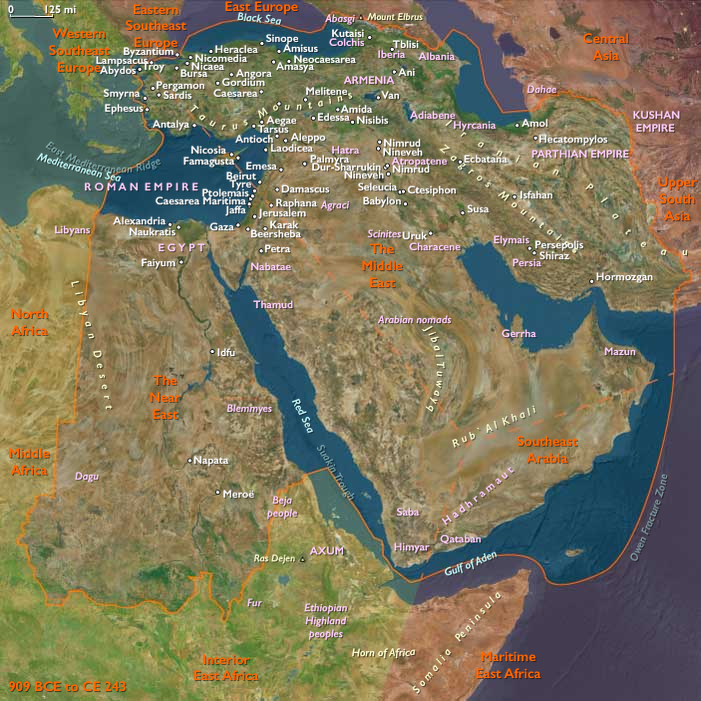
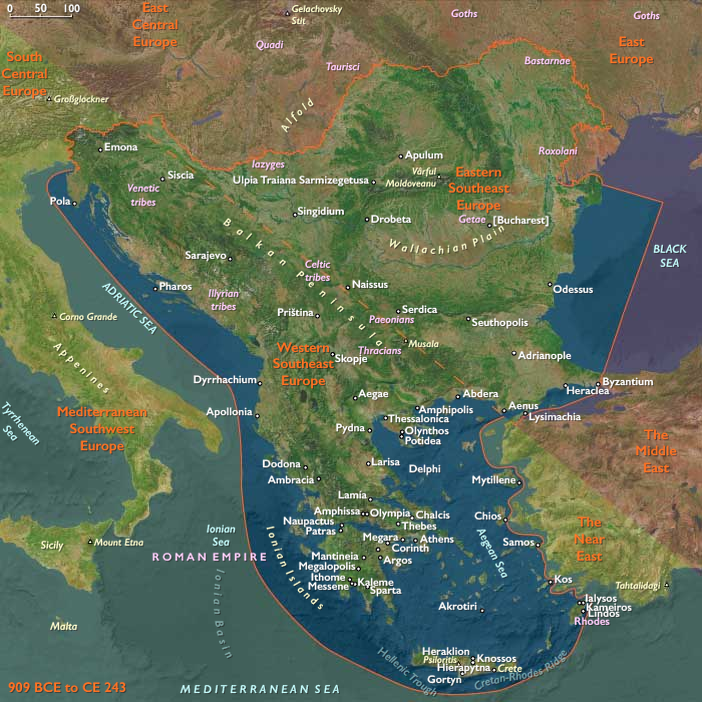
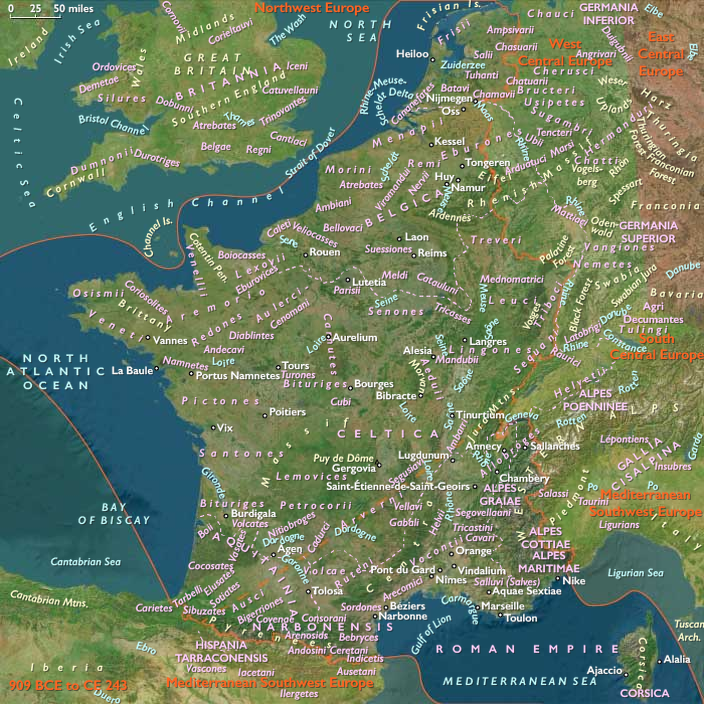
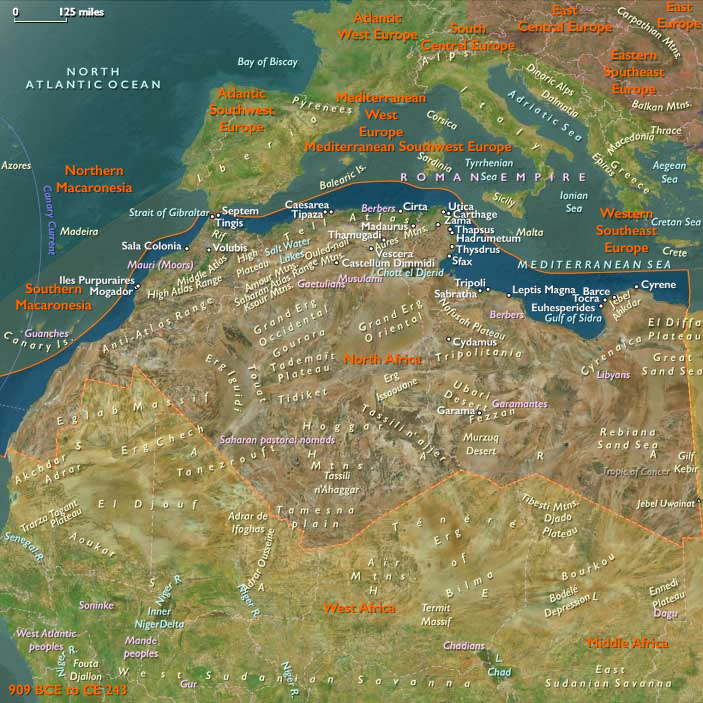
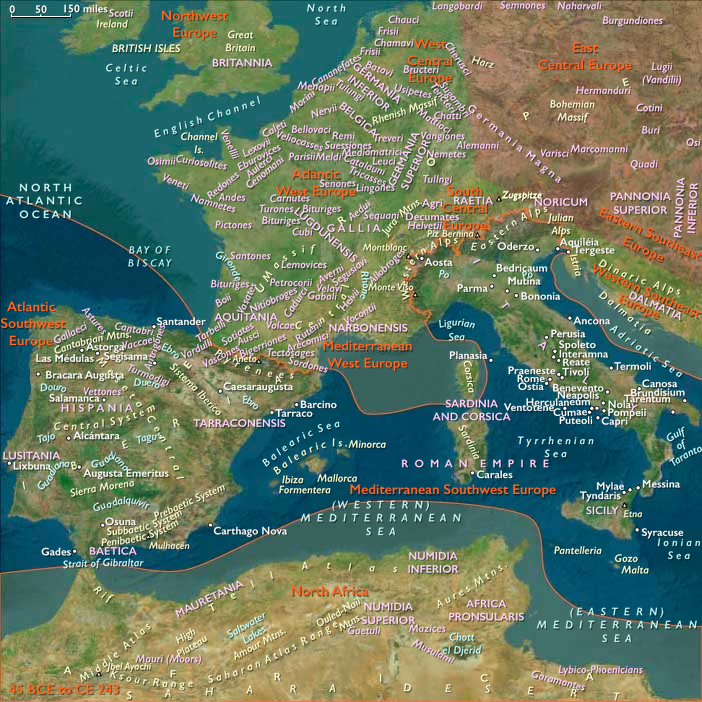
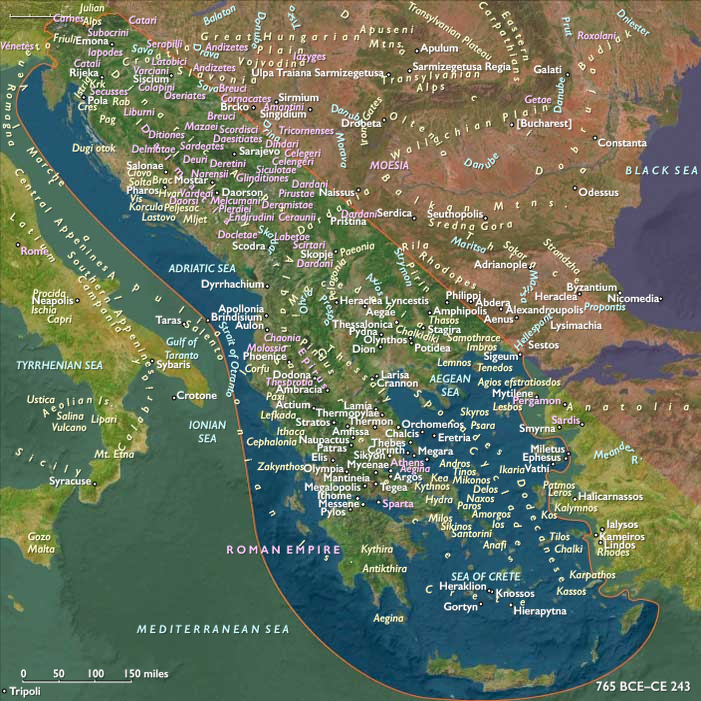
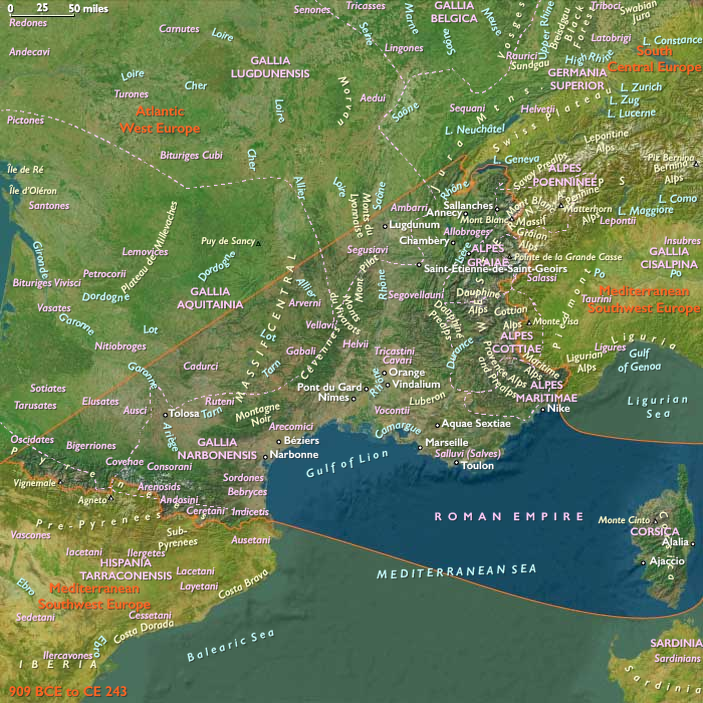
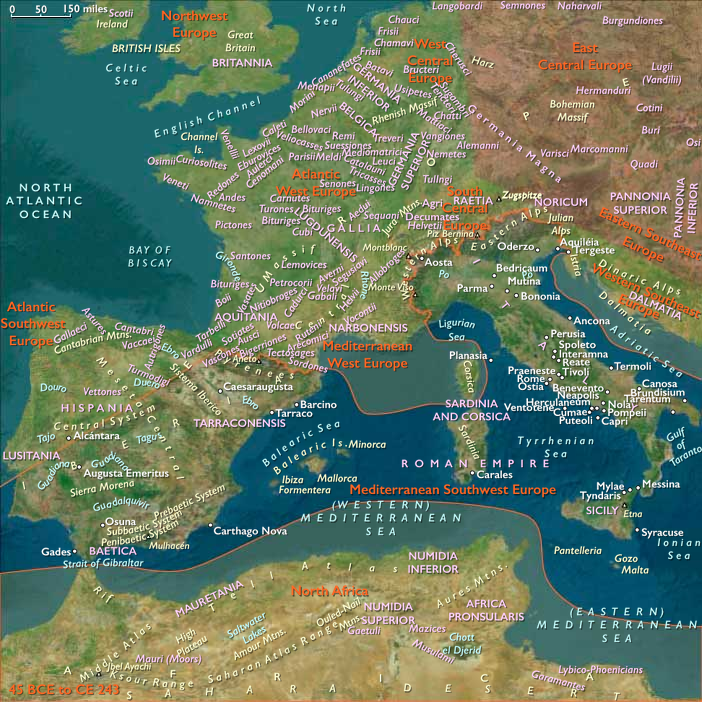
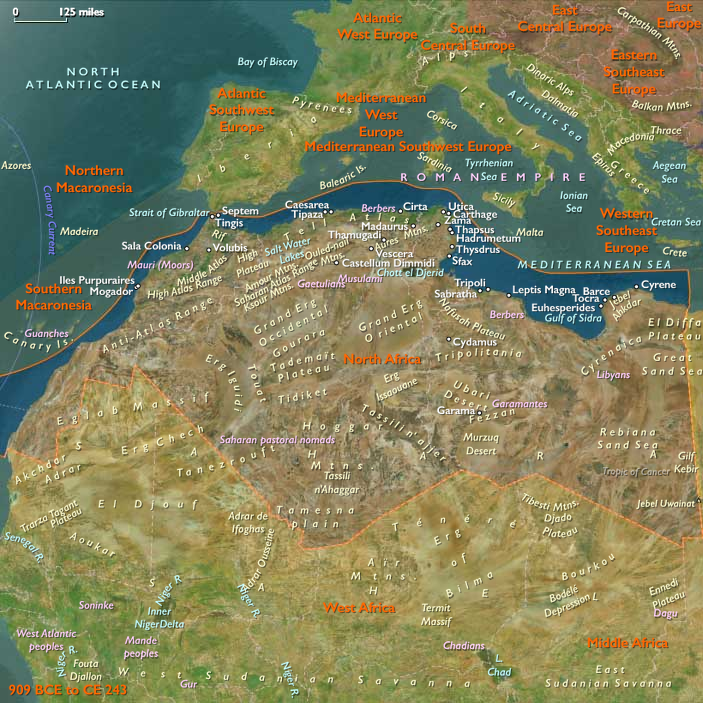
- The Pax Romana, which he initiated, provided stability and unity to a vast, diverse empire stretching from Britain to the Middle East.
Augustus' ascension in 27 BCE was a turning point in world history, marking the end of the Republic and the beginning of an empire that would last for nearly 500 years in the West and over 1,400 years in the East.
People
Groups
Topics
Subjects
Regions
Subregions
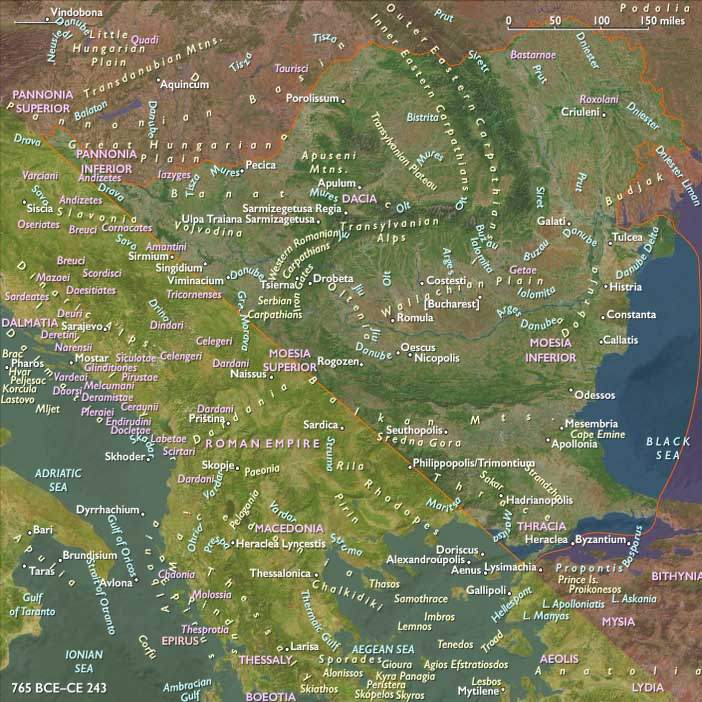
- Eastern Southeast Europe
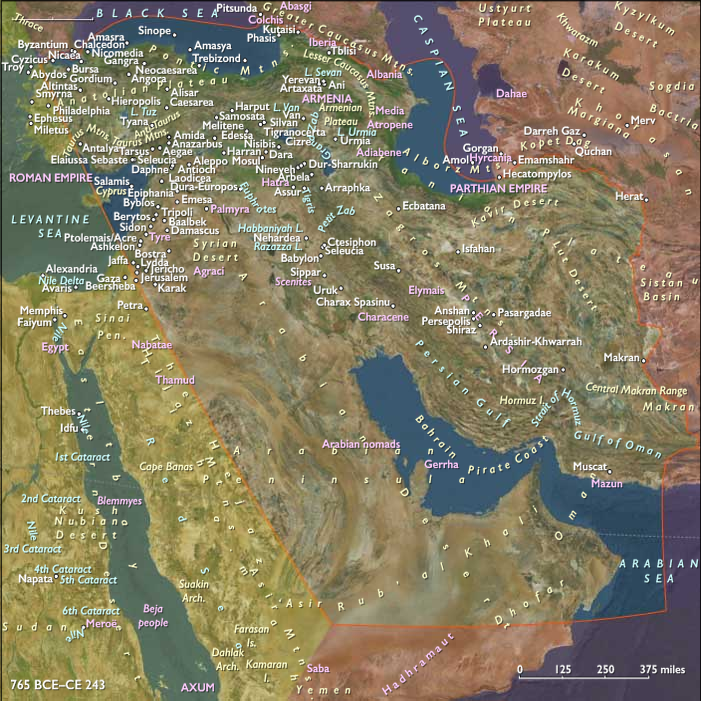
- Middle East
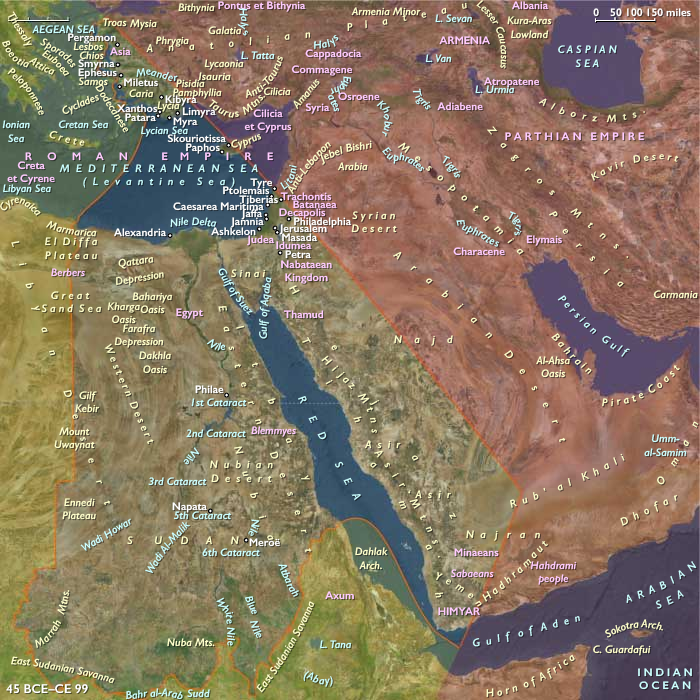
- Near East
- Western Southeast Europe
- Mediterranean West Europe
- Mediterranean Southwest Europe
- North Africa
- Atlantic Southwest Europe
- Atlantic West Europe
Related Events
Showing 10 events out of 62253 total
Years: 33BCE - 22BCE
People
Groups
Topics
Subjects
Regions
Subregions
- Eastern Southeast Europe
- Middle East
- Near East
- Western Southeast Europe
- Mediterranean West Europe
- Mediterranean Southwest Europe
- North Africa
- Atlantic Southwest Europe
- Atlantic West Europe