
Maritime East Africa (1948–1959 CE): Accelerating Nationalism, …
Years: 1948 - 1959
Maritime East Africa (1948–1959 CE): Accelerating Nationalism, Decolonization Movements, and Political Realignments
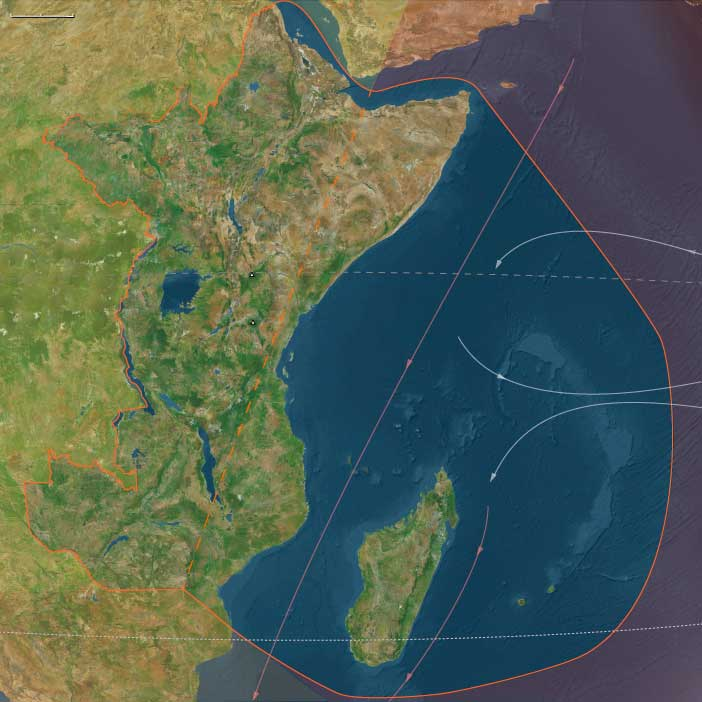
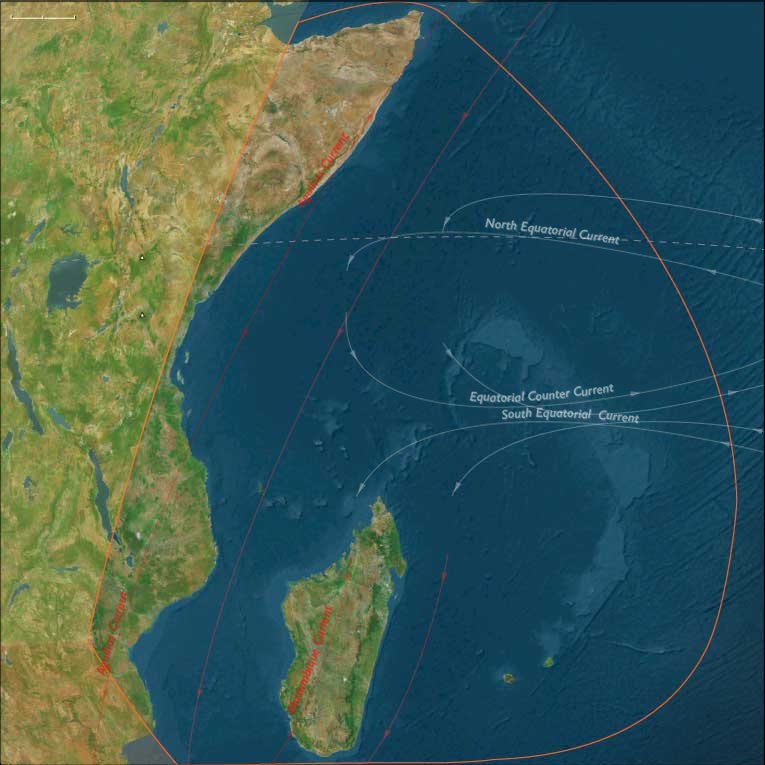
Between 1948 and 1959 CE, Maritime East Africa—including the Swahili Coast, Comoros, Madagascar, Mauritius, Seychelles, and Somali coastal territories—undergoes rapid transformations characterized by escalating nationalist sentiments, significant strides toward decolonization, and substantial political realignments within the context of the global post-war shift toward independence and self-governance.
Intensifying Nationalist Movements and Independence Struggles
The post-war period witnesses the intensification of nationalist movements across Maritime East Africa. In Kenya, tensions culminate in the Mau Mau Uprising (1952–1960), a major insurgency against British colonial rule driven by grievances over land ownership, economic inequality, and political disenfranchisement. Although the British suppress the rebellion through harsh military measures, the uprising significantly accelerates Kenya’s movement toward independence.
In Tanganyika, nationalist agitation strengthens substantially under the leadership of Julius Nyerere and the Tanganyika African National Union (TANU), founded in 1954. TANU successfully mobilizes broad popular support through peaceful protests and political campaigns, firmly setting the stage for Tanganyika’s independence.
Political Developments and Decolonization in Madagascar and Comoros
In Madagascar, the repercussions of the suppressed 1947 nationalist uprising persist, intensifying political tensions. French authorities respond with cautious reforms aimed at pacifying nationalist sentiments, including limited political representation for Malagasy leaders. Nonetheless, demands for autonomy grow steadily more assertive, compelling France to consider political concessions that lay the groundwork for eventual independence.
The Comoros Islands witness rising political activism among local elites and intellectuals challenging colonial practices. Political organizations advocating increased autonomy and improved economic conditions gain prominence, fueling demands for self-rule and setting the foundation for future independence movements.
Somali Territories: Steps Toward Unification and Independence
The Somali territories continue their complex path toward political consolidation and independence. British Somaliland gains momentum toward self-governance, leading to greater political engagement and the emergence of cohesive nationalist leadership. Meanwhile, Italian Somaliland, administered as a United Nations Trust Territory under Italian oversight from 1950, experiences increased political mobilization and institutional development, preparing for future independence.
This era marks a significant shift in Somali nationalist aspirations, with explicit calls for the unification of Somali-inhabited regions into a single independent state gaining broader public support.
Mauritius: Socioeconomic Shifts and Political Mobilization
In Mauritius, increasing dissatisfaction with colonial economic practices fosters political organization and activism among the working class and emerging middle class. Labor unions and political parties demand greater political representation, economic reform, and improved living conditions. These efforts culminate in constitutional reforms granting limited self-government in the late 1950s, significantly advancing the island’s trajectory toward independence.
Seychelles: Economic Challenges and Political Awakening
The Seychelles, continuing to face economic stagnation and isolation, sees growing political consciousness and demands for reform. Local political movements increasingly challenge British colonial neglect, seeking economic support, infrastructural development, and greater political autonomy. This period initiates the first organized calls for political change and lays the groundwork for future independence aspirations.
Malawi and Mozambique
Nationalist movements gain momentum in Malawi, notably under Dr. Hastings Kamuzu Banda, who leads demands for independence from British colonial rule, centering activities around Blantyre. In Mozambique, particularly in central and northern regions, anticolonial sentiment and resistance to Portuguese forced-labor policies intensify, laying crucial groundwork for future independence struggles.
Legacy of the Era
The period from 1948 to 1959 CE profoundly shapes Maritime East Africa through accelerated nationalist movements, substantial steps toward decolonization, and significant political realignments. These developments set critical precedents for subsequent independence, reshaping regional dynamics and preparing the region for the transformative era of full political sovereignty and nation-building that lies ahead.
People
Groups
- Somalis
- Comoro Islands
- Portuguese Empire
- Portuguese Mozambique
- Angola (Portuguese colony)
- Portugal, Bragança Kingdom of
- Britain (United Kingdom of Great Britain and Ireland)
- Mauritius, British
- Italy, Kingdom of
- France (French republic); the Third Republic
- British Somaliland
- Italian Somaliland
- Portuguese East Africa (Moçambique)
- French Madagascar
- Seychelles, Crown Colony of the
- Nyasaland (British Protectorate)
- Southern Rhodesia
- Kenya, (British) Protectorate of
- Tanganyika (territory)
- Northern Rhodesia
- Somaliland, British Military Administration in
- Rhodesia and Nyasaland, Federation of (Central African Federation)
Topics
Commodoties
Subjects
Regions
Subregions
Years: 1948 - 1959
People
Groups
- Somalis
- Comoro Islands
- Portuguese Empire
- Portuguese Mozambique
- Angola (Portuguese colony)
- Portugal, Bragança Kingdom of
- Britain (United Kingdom of Great Britain and Ireland)
- Mauritius, British
- Italy, Kingdom of
- France (French republic); the Third Republic
- British Somaliland
- Italian Somaliland
- Portuguese East Africa (Moçambique)
- French Madagascar
- Seychelles, Crown Colony of the
- Nyasaland (British Protectorate)
- Southern Rhodesia
- Kenya, (British) Protectorate of
- Tanganyika (territory)
- Northern Rhodesia
- Somaliland, British Military Administration in
- Rhodesia and Nyasaland, Federation of (Central African Federation)
Topics
Commodoties
Subjects
Regions
Subregions