
Maritime East Africa (1912–1923 CE): World War …
Years: 1912 - 1923
Maritime East Africa (1912–1923 CE): World War Impact, Colonial Adjustments, and Rising Nationalism
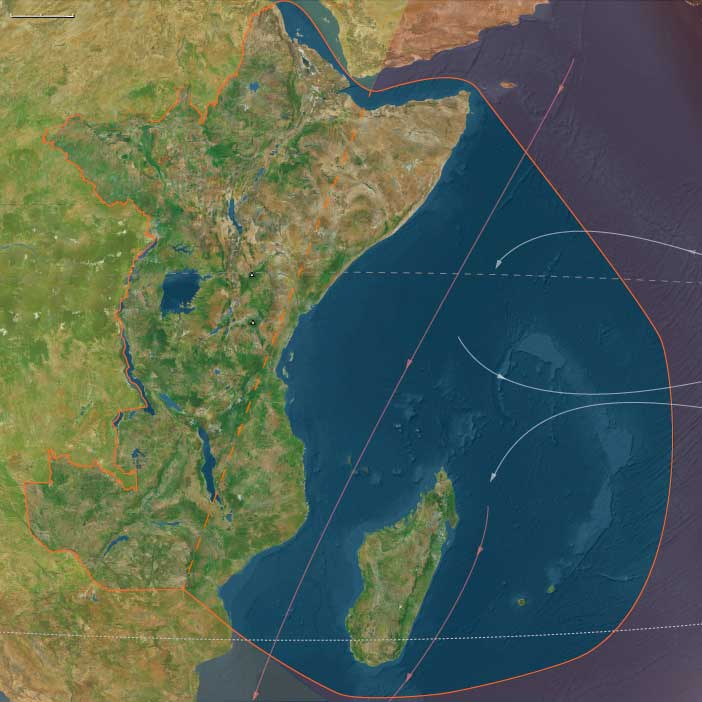
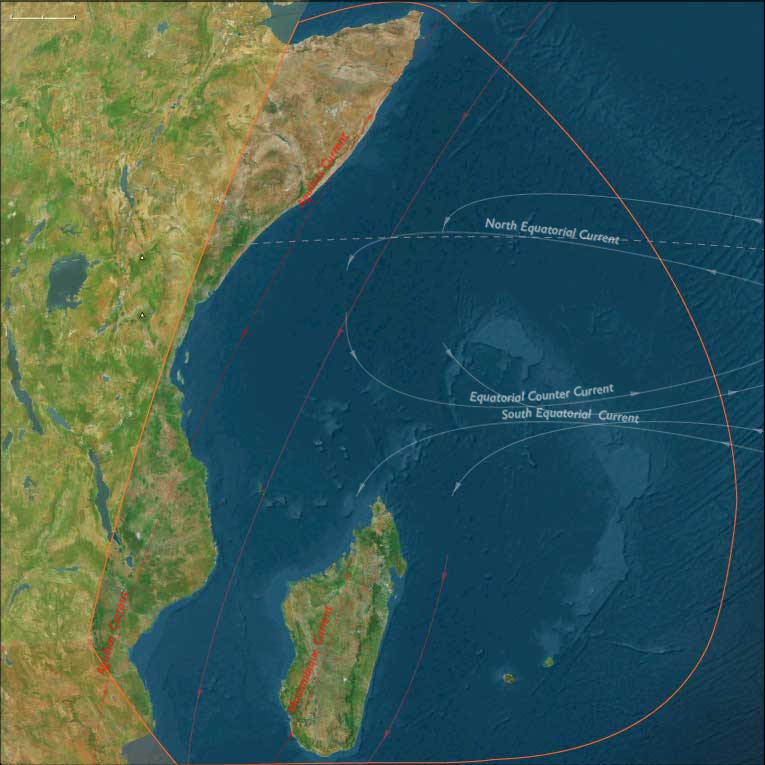
Between 1912 and 1923 CE, Maritime East Africa—including the Swahili Coast, Comoros, Madagascar, Mauritius, Seychelles, and Somali coastal territories—experiences significant disruptions due to World War I, strategic colonial realignments, intensified economic exploitation, and the early emergence of nationalist movements.
Impact of World War I
The outbreak of World War I profoundly affects Maritime East Africa. German East Africa becomes a critical battleground, with British-led forces conducting prolonged campaigns against German commander Paul von Lettow-Vorbeck, who skillfully utilizes guerrilla tactics. The war severely disrupts local economies and leads to substantial displacement, forced conscription, and labor mobilization of indigenous populations.
The eventual German defeat results in significant territorial redistributions. German East Africa is partitioned, with the League of Nations granting mandates to Britain (Tanganyika) and Belgium (Ruanda-Urundi), reshaping regional colonial administration.
British and Portuguese Colonial Adjustments
Britain consolidates its control in newly acquired Tanganyika, quickly establishing administrative structures and economic reforms aimed at increasing productivity and profitability, particularly in cotton and coffee production. This consolidation brings infrastructure expansion, including improved railways and port facilities in Dar es Salaam.
In Kenya, British settlers strengthen their economic and political dominance, leading to increased displacement of indigenous communities, notably the Kikuyu and Nandi peoples, intensifying land disputes and social tensions.
In Mozambique, Portugal intensifies exploitation of agricultural and mineral resources, reinforcing oppressive labor practices. Resistance movements grow among rural populations, reacting against harsh colonial policies, forced labor, and land seizures. The First World War period heightens colonial economic exploitation in central Mozambique, as Portuguese authorities rely heavily on forced labor and export-oriented production to sustain wartime economies.
Southern Malawi experiences relative economic prosperity, benefiting from the increased significance of Blantyre as an administrative and economic center, and from strategic regional connections facilitated by railways linking Malawi directly to Mozambique’s expanding port of Beira.
Madagascar and Comoros under French Rule
French administration in Madagascar deepens economic extraction, focusing on vanilla, cloves, and coffee exports. Colonial infrastructure is expanded to facilitate resource exploitation and trade. However, the exploitation fosters growing discontent among Malagasy people, setting the stage for later nationalist movements.
In the Comoros, French control stabilizes through strengthened administrative mechanisms. Economic integration deepens with exports of spices, particularly vanilla and cloves, increasingly becoming central to the archipelago's colonial economy.
Mauritius and Seychelles: Economic Realities
In Mauritius, sugar production remains economically central, though the industry experiences volatility due to global market fluctuations and the impacts of the war. This leads to increasing economic hardship for laborers, laying early groundwork for labor unrest and political mobilization.
The Seychelles continue to rely heavily on the copra and spice trades. British colonial authorities focus on limited infrastructural developments to facilitate trade, though economic opportunities for indigenous Seychellois remain limited, fueling discontent and emigration.
Somali Territories: Continued Fragmentation and Resistance
Colonial administration remains divided in the Somali Peninsula, with British, Italian, and French territories each pursuing separate economic and strategic objectives. The British continue their minimal administrative model in British Somaliland, primarily for strategic control of routes to Aden. Italy expands plantation agriculture and infrastructure in Italian Somaliland, enforcing harsh labor regimes. Somali resistance and unrest against colonial dominance persist, particularly among pastoralist clans impacted by colonial policies.
Emergence of Nationalist Sentiments
The disruptions and exploitations of colonial rule in Maritime East Africa during this period contribute to nascent nationalist sentiments. Educated elites and urban populations begin forming early political and social organizations to address colonial injustices and advocate for reform. Such movements gain initial momentum, laying essential foundations for later anti-colonial struggles.
Legacy of the Era
Between 1912 and 1923 CE, the Maritime East African region is reshaped by global conflict, intensified colonial exploitation, and early nationalist consciousness. These factors deeply influence the socio-economic and political fabric of the region, establishing critical conditions for subsequent independence movements and post-colonial developments.
People
Groups
- Somalis
- Swahili people
- Kikuyu
- Comoro Islands
- Portuguese Empire
- Portuguese Mozambique
- Angola (Portuguese colony)
- Portugal, Bragança Kingdom of
- Hehe people
- Nandi people
- Britain (United Kingdom of Great Britain and Ireland)
- Mauritius, British
- France (French republic); the Third Republic
- German Empire (“Second Reich”)
- Malagasy Protectorate
- French Somaliland
- British Somaliland
- Ethiopia, Solomonid Dynasty of
- Italian Somaliland
- East Africa, German
- Uganda, Protectorate of
- Portuguese East Africa (Moçambique)
- East Africa Protectorate (Kenya)
- North-Eastern Rhodesia
- Seychelles, Crown Colony of the
- Nyasaland (British Protectorate)
- League of Nations, The
- Ruanda-Urundi, Territory of
- Kenya, (British) Protectorate of
- Tanganyika (territory)
Topics
Commodoties
Subjects
Regions
Subregions
Years: 1912 - 1923
People
Groups
- Somalis
- Swahili people
- Kikuyu
- Comoro Islands
- Portuguese Empire
- Portuguese Mozambique
- Angola (Portuguese colony)
- Portugal, Bragança Kingdom of
- Hehe people
- Nandi people
- Britain (United Kingdom of Great Britain and Ireland)
- Mauritius, British
- France (French republic); the Third Republic
- German Empire (“Second Reich”)
- Malagasy Protectorate
- French Somaliland
- British Somaliland
- Ethiopia, Solomonid Dynasty of
- Italian Somaliland
- East Africa, German
- Uganda, Protectorate of
- Portuguese East Africa (Moçambique)
- East Africa Protectorate (Kenya)
- North-Eastern Rhodesia
- Seychelles, Crown Colony of the
- Nyasaland (British Protectorate)
- League of Nations, The
- Ruanda-Urundi, Territory of
- Kenya, (British) Protectorate of
- Tanganyika (territory)
Topics
Commodoties
Subjects
Regions
Subregions