
Filters:
A Possible Connection Between the Antonine Plague …
Years: 172 - 183
A Possible Connection Between the Antonine Plague and the Eastern Han Epidemics (2nd Century CE)
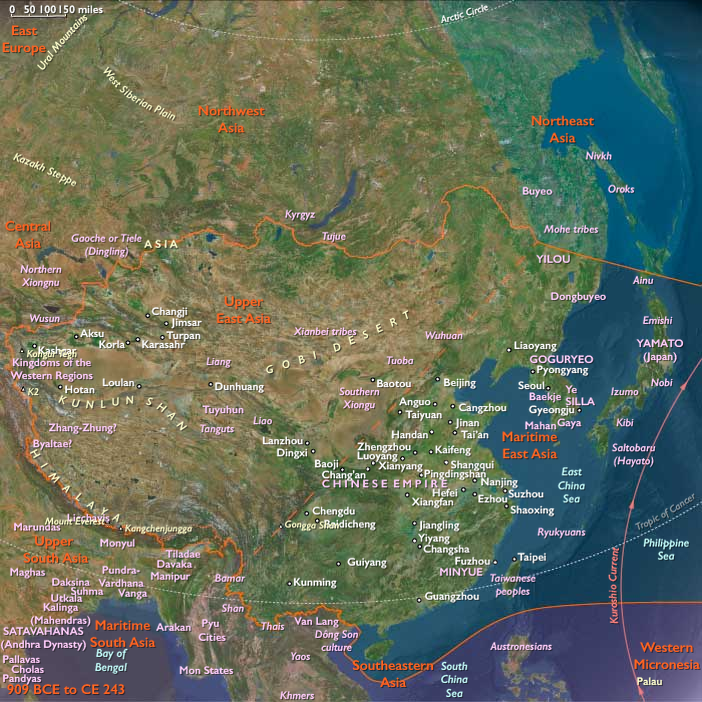
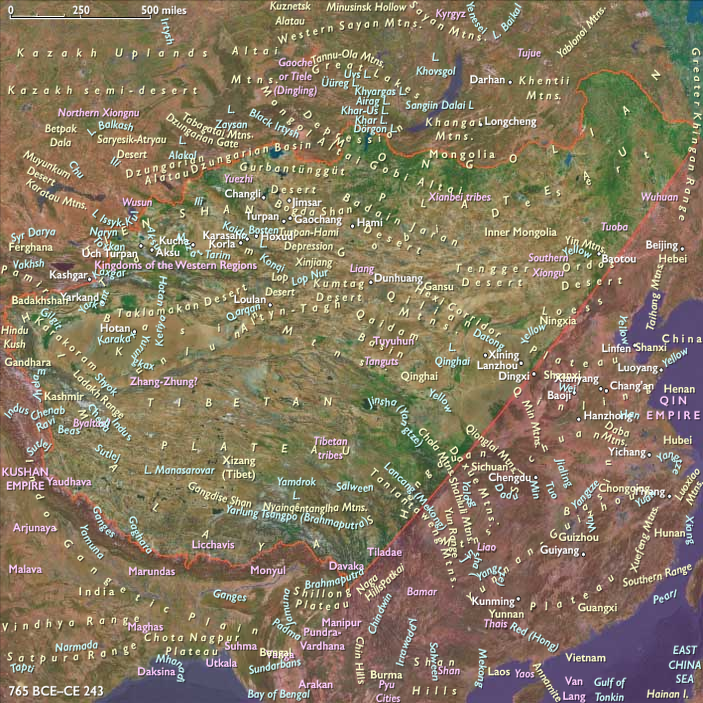
The Antonine Plague (165–180 CE) devastated the Roman Empire, while China’s Eastern Han dynasty suffered multiple outbreaks of disease during the reigns of Emperor Huan (r. 146–168) and Emperor Ling (r. 168–189). Some historians, including Rafe de Crespigny and Raoul McLaughlin, have suggested a possible link between these epidemics, proposing that a deadly contagion spread across Eurasia via trade routes, particularly the Silk Road and Indian Ocean networks.
1. The Han Dynasty’s Epidemics and the Yellow Turban Rebellion
- The Eastern Han Empire faced severe plagues, with outbreaks recorded in 151, 161, 171, 173, 179, 182, and 185 CE.
- These epidemics coincided with political instability, fueling popular unrest and millenarian movements, such as the Yellow Turban Rebellion (184–205 CE), led by Zhang Jue, a faith healer who promoted divine healing to counter the plague.
- De Crespigny speculates that these outbreaks may have been part of the same pandemic afflicting Rome, suggesting that disease played a role in destabilizing both empires.
2. The Roman Embassy to Han China (166 CE) and the Spread of Disease
- In 166 CE, a Roman embassy from "Daqin" (the Roman Empire) arrived at the Han court, claiming to represent "Andun" (安敦), possibly a reference to Marcus Aurelius Antoninus or Antoninus Pius.
- McLaughlin notes that this could have been the beginning of intensified Rome-Han trade, yet instead, it may have been a harbinger of something far more ominous—the spread of a deadly pandemic.
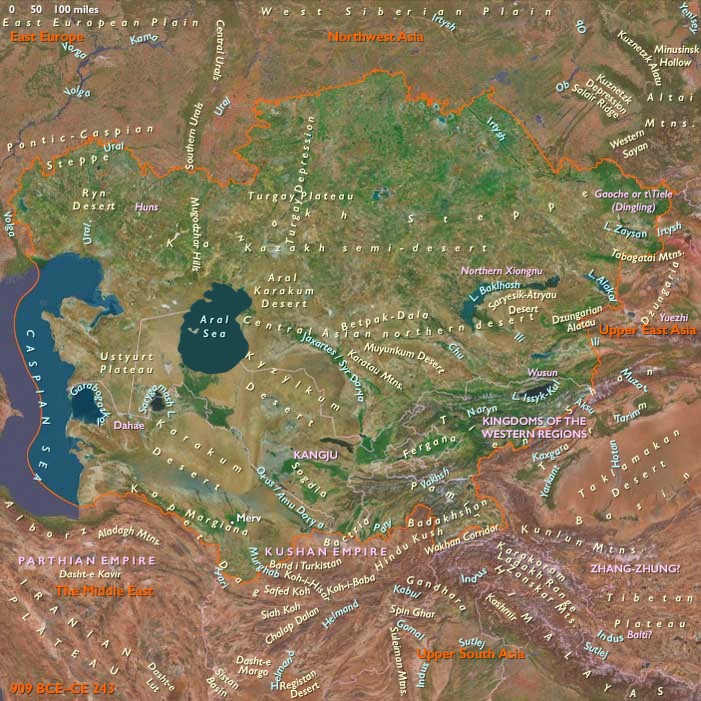
3. The Plague’s Possible Origins in Central Asia
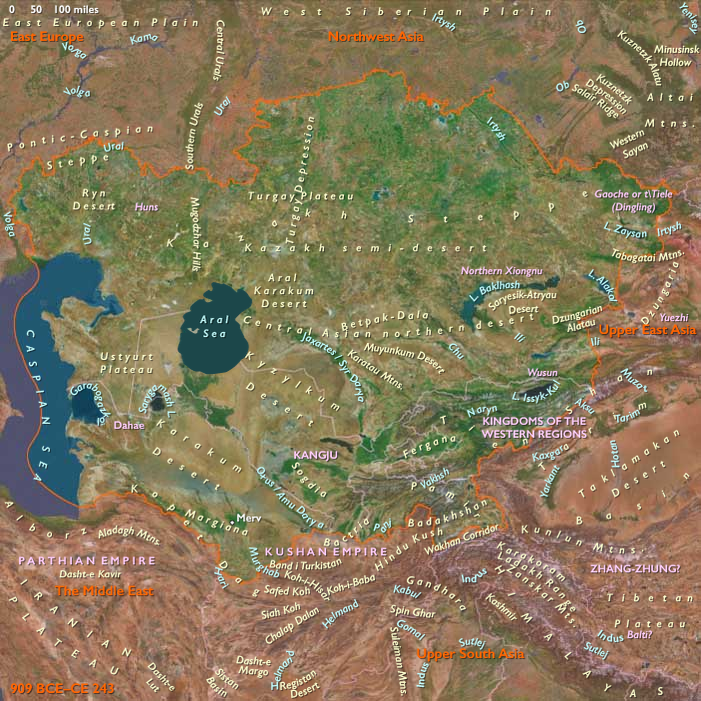
- McLaughlin theorizes that the plague originated in Central Asia, potentially from an isolated nomadic population, before spreading to both China and Rome.
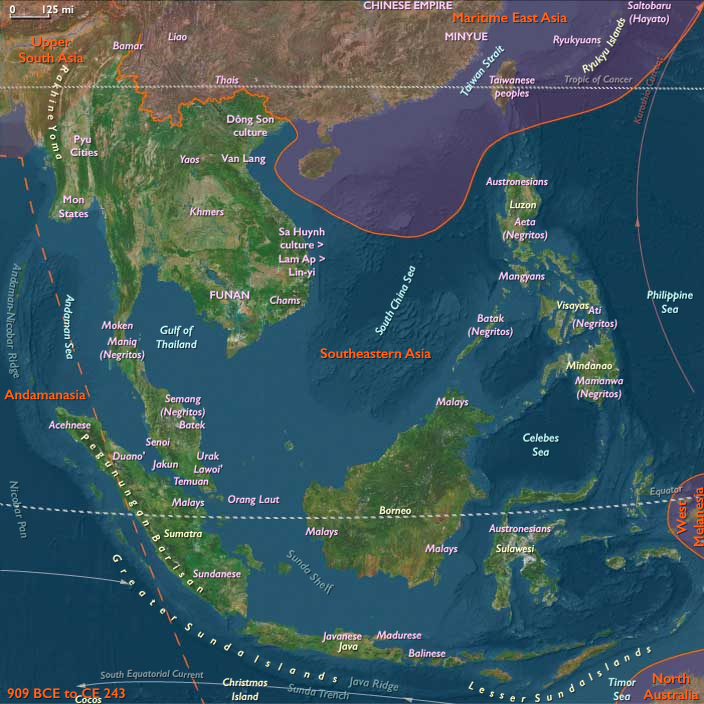
- The Silk Road and maritime trade routes facilitated the movement of goods, people, and diseases, creating a pathway for pandemics to spread across Eurasia.
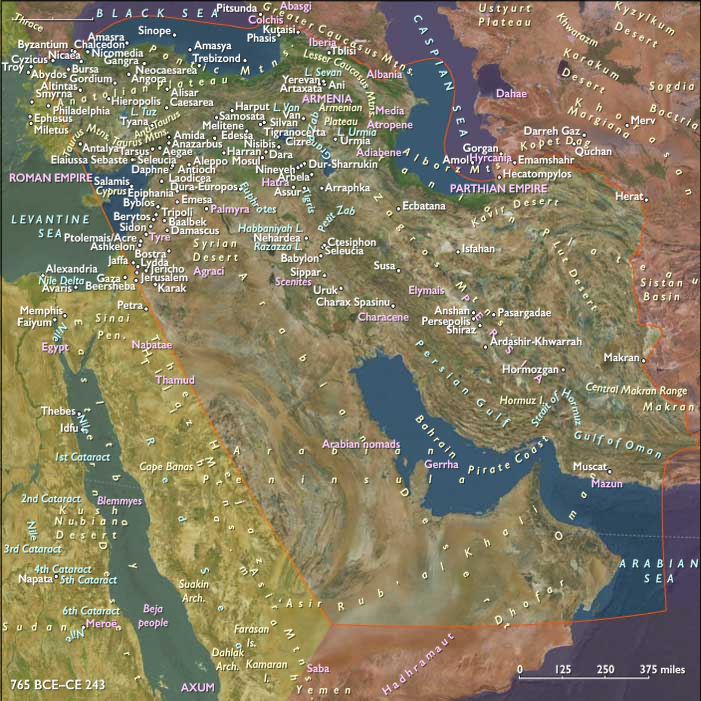
- The plague’s transmission may have followed a westward route, affecting China first before reaching the Roman Empire through Parthia and Mesopotamia.
4. The Plague’s Impact on Rome’s Economy and Indian Ocean Trade
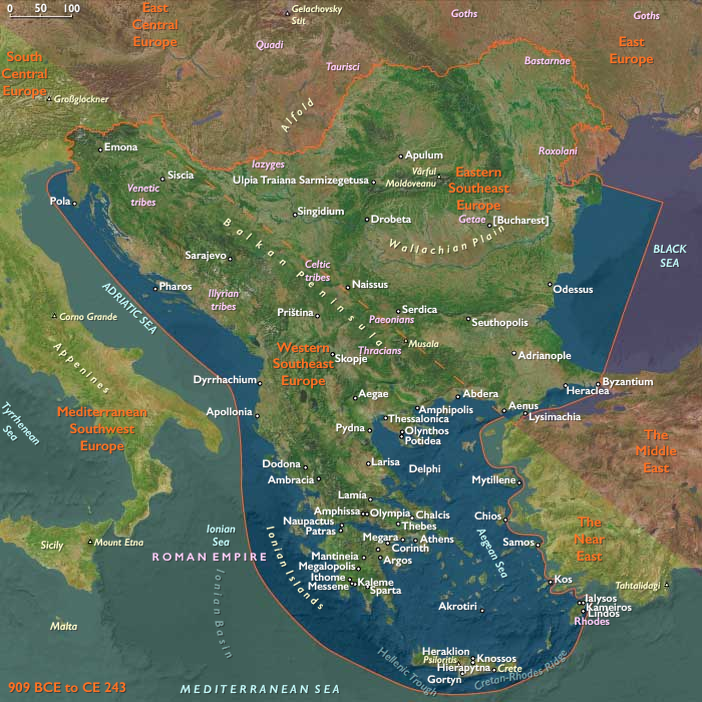
- The Antonine Plague killed roughly 10% of Rome’s population, weakening the empire’s military and economy.
- McLaughlin argues that the epidemic caused "irreparable" damage to Roman trade in the Indian Ocean, as evidenced by:
- Archaeological records showing a decline in Roman trade goods from Egypt to India.
- A significant drop in commercial activity in Southeast Asia, indicating reduced Roman maritime trade.
- This decline in long-distance commerce affected Rome’s ability to sustain wealth and maintain its eastern provinces, leading to further economic instability.
Conclusion: The Plague as a Eurasian Pandemic?
- While definitive evidence linking the Antonine Plague to the Han epidemics remains inconclusive, historians like de Crespigny and McLaughlin highlight the possibility of a shared pandemic that affected both Rome and China.
- The Roman embassy to China in 166 CE may have played a role in transmitting disease, demonstrating the unintended consequences of early global trade.
- The epidemic’s devastating impact weakened both empires, contributing to political instability in China and economic decline in Rome.
The plagues of the 2nd century CE may represent one of the earliest known instances of pandemics spreading across Eurasia via trade networks, shaping the trajectory of both the Roman and Han empires in ways that would affect world history for centuries to come.
People
Groups
Topics
Subjects
Regions
- Southeast Asia
- East Asia
- Central Asia
- The Near and Middle East
- Southeast Europe
- Central Europe
- West Europe
- Southwest Europe


Subregions
- Southeastern Asia
- Maritime East Asia
- Upper East Asia
- Central Asia
- East Central Europe
- Eastern Southeast Europe
- Middle East
- Western Southeast Europe
- South Central Europe
- Mediterranean West Europe
- Mediterranean Southwest Europe
- Atlantic West Europe
- West Central Europe


Years: 172 - 183
People
Groups
Topics
Subjects
Regions
- Southeast Asia
- East Asia
- Central Asia
- The Near and Middle East
- Southeast Europe
- Central Europe
- West Europe
- Southwest Europe
Subregions
- Southeastern Asia
- Maritime East Asia
- Upper East Asia
- Central Asia
- East Central Europe
- Eastern Southeast Europe
- Middle East
- Western Southeast Europe
- South Central Europe
- Mediterranean West Europe
- Mediterranean Southwest Europe
- Atlantic West Europe
- West Central Europe