
The Antonine Plague and Its Impact on …
Years: 160 - 171
The Antonine Plague and Its Impact on Rome’s Northern Frontier (165–180 CE)
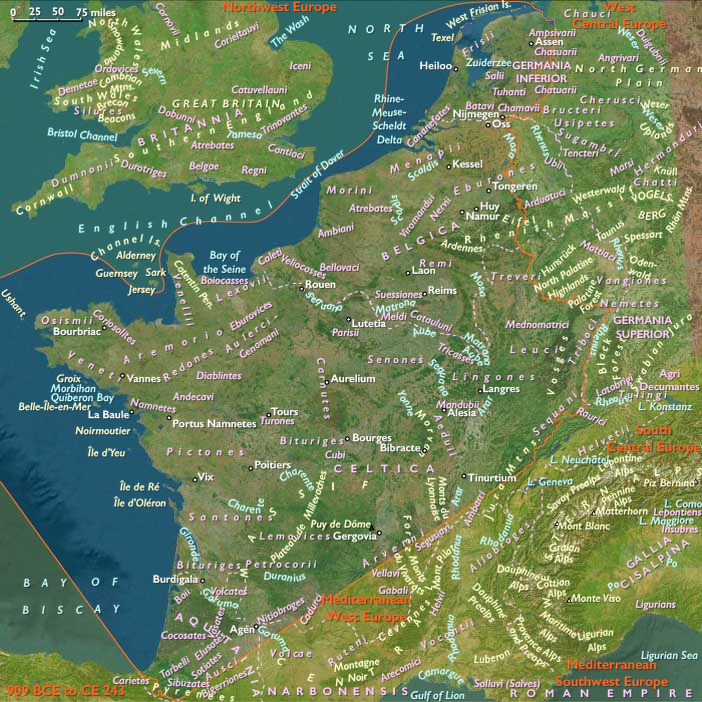
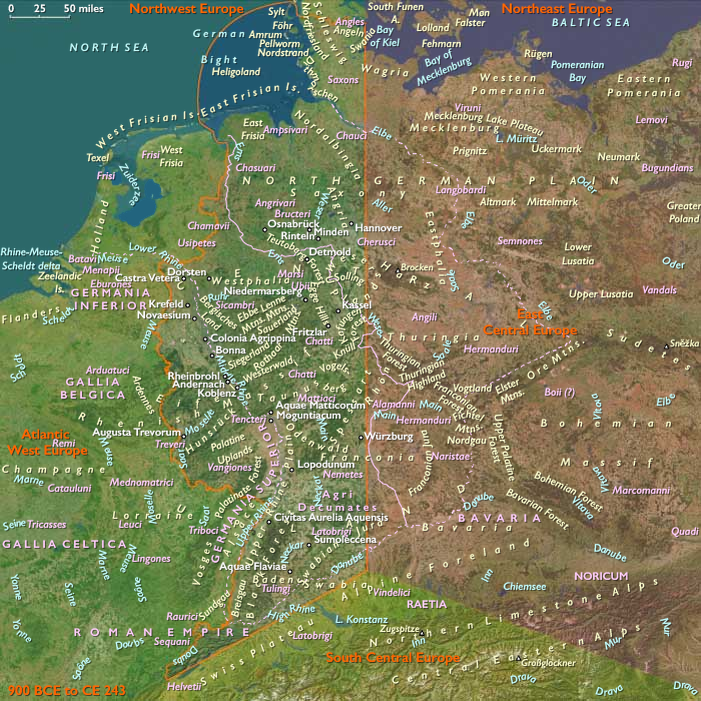
As the Antonine Plague spread northward toward the Rhine frontier, it not only ravaged Roman populations but also infected Germanic and Gallic tribes outside the empire's borders. The epidemic weakened both Rome and its adversaries, but the consequences were particularly severe for Roman frontier defenses.
1. The Spread of the Plague Beyond Roman Borders
- The Roman military campaigns along the Rhine and Danube facilitated the spread of disease to Germanic and Gallic tribes.
- These tribes, already pressing southward for more fertile lands, suffered heavy losses, disrupting their population growth and expansion efforts.
- However, despite their own losses, they were not as dependent on complex urban infrastructure as the Romans, meaning they could recover more easily.
2. The Weakening of Rome’s Defenses
- Roman armies, severely reduced in numbers, struggled to defend the northern frontiers.
- The traditional cycle of recruiting and replenishing legions was disrupted, leaving gaps in border security.
- The empire’s reliance on local auxiliaries and barbarian foederati increased as native Roman populations declined.
3. Increased Germanic Pressure on the Empire
- The Germanic and Gallic tribes, despite their own losses, took advantage of Rome’s weakened state to increase raids and incursions into imperial territory.
- The Romans, unable to push back these invasions effectively, saw a gradual erosion of control along the Rhine and Danube frontiers.
- This period of instability set the stage for later large-scale migrations and conflicts between Rome and Germanic peoples, culminating in the Marcomannic Wars (166–180 CE).
4. Long-Term Consequences
- The Antonine Plague's devastation played a key role in reducing Rome’s ability to defend its frontiers, forcing later emperors to rely more heavily on diplomacy and fortifications.
- The weakened military set a precedent for later barbarian pressures, foreshadowing the migrations and invasions of the 3rd and 4th centuries CE.
- This epidemic was one of the first major factors in Rome’s long-term decline, demonstrating how disease, population loss, and military strain could weaken even the mightiest empire.
The Roman Empire survived the Antonine Plague, but it emerged significantly weakened, its frontiers permanently more vulnerable to external threats.
Groups
- Gauls
- Germania
- Gallia Narbonensis (Roman province)
- Germania Superior (Roman province)
- Germania Inferior (Roman province)
- Gallia Lugdunensis (Roman province)
- Gallia Belgica (Roman province)
- Gallia Aquitania (Roman province)
- Italy, Roman
- Germans
- Roman Empire (Rome): Nerva-Antonine dynasty
Topics
Subjects
Regions
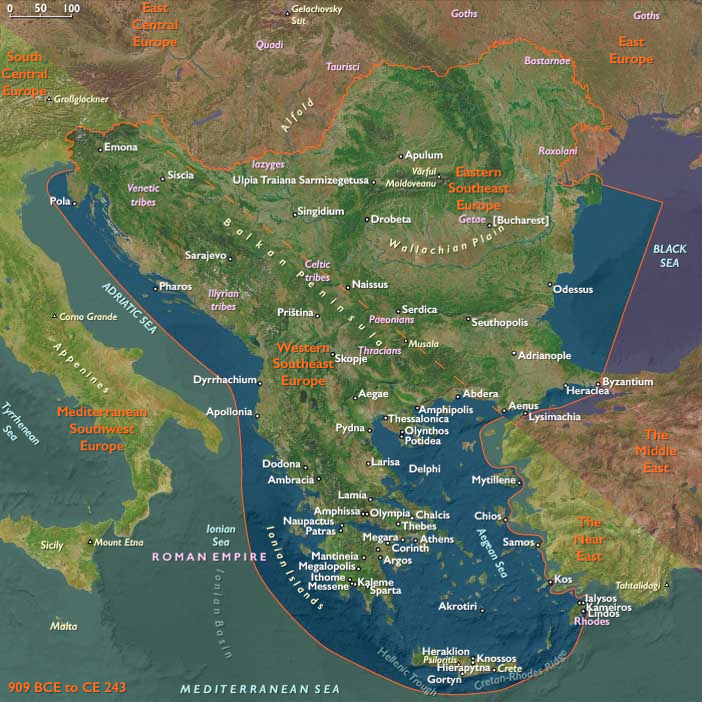
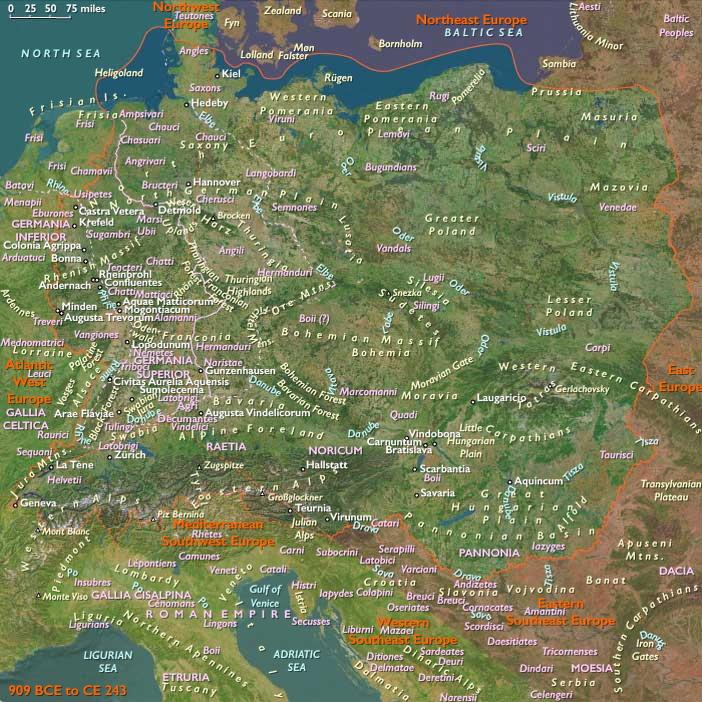
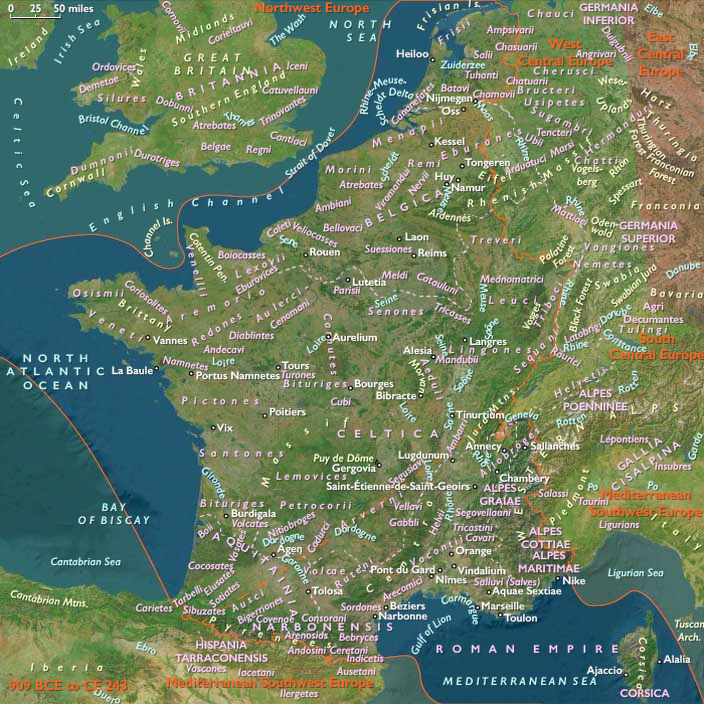
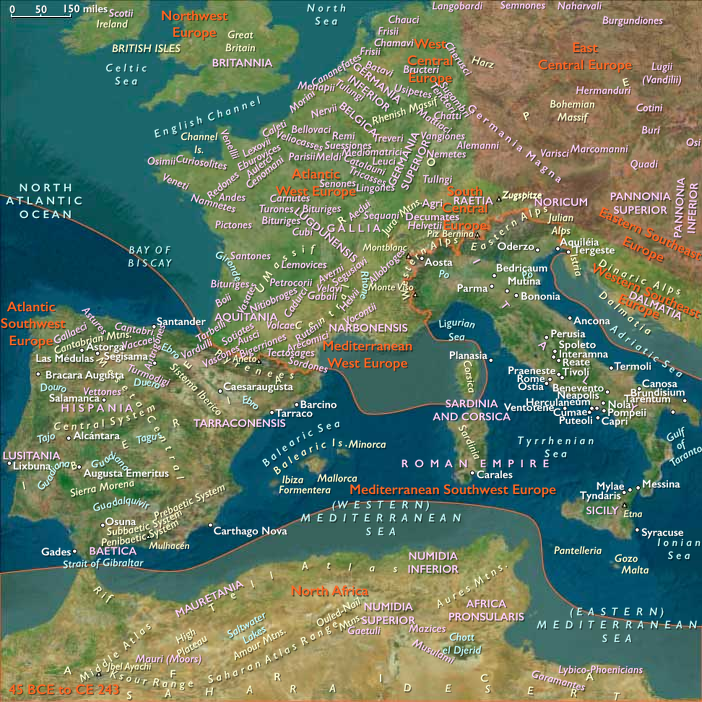
Subregions
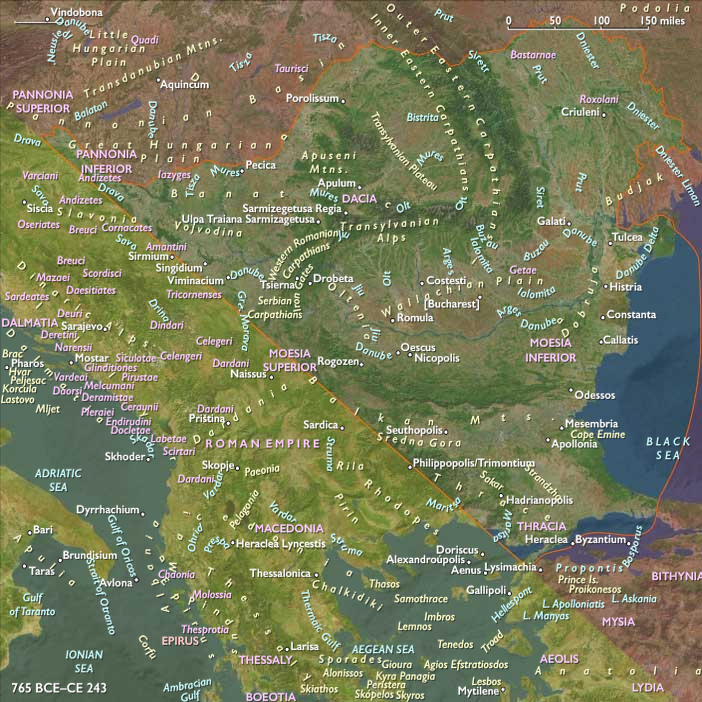
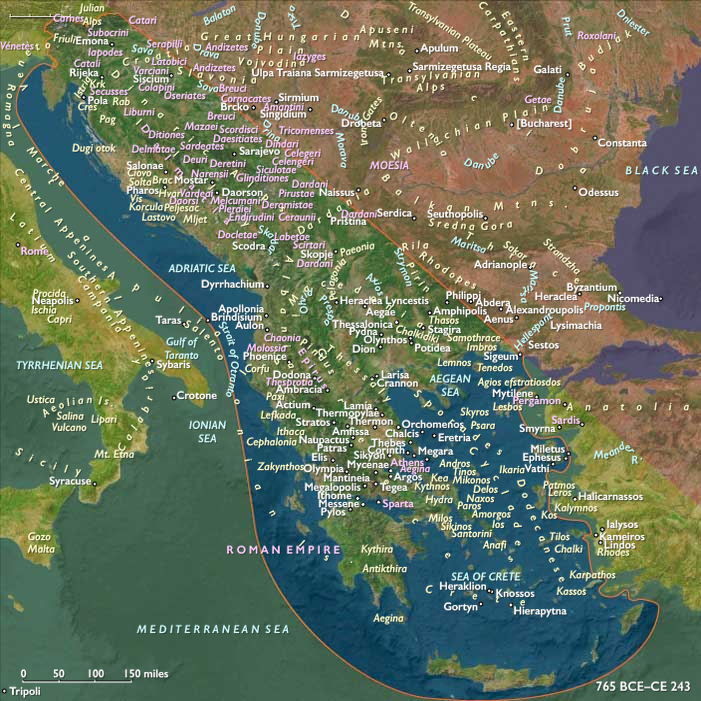
- Eastern Southeast Europe
- Western Southeast Europe
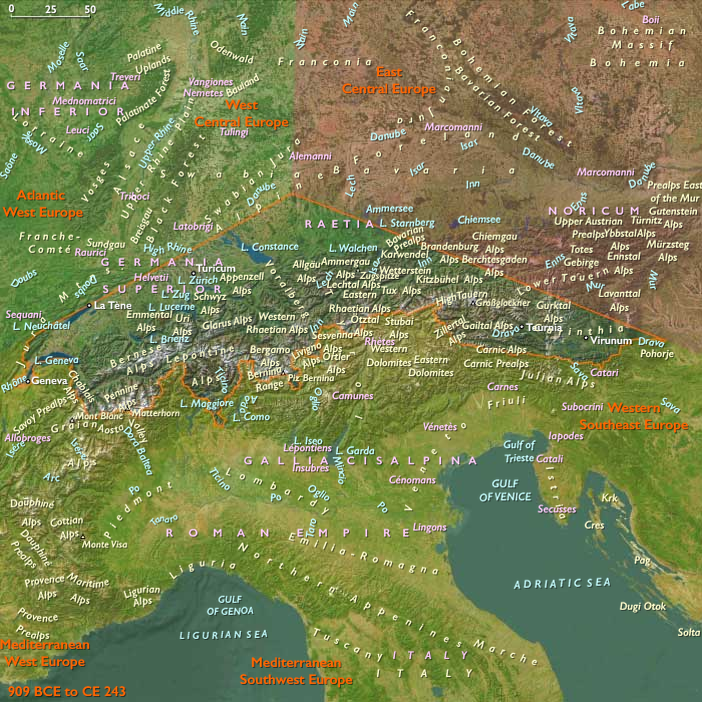
- South Central Europe
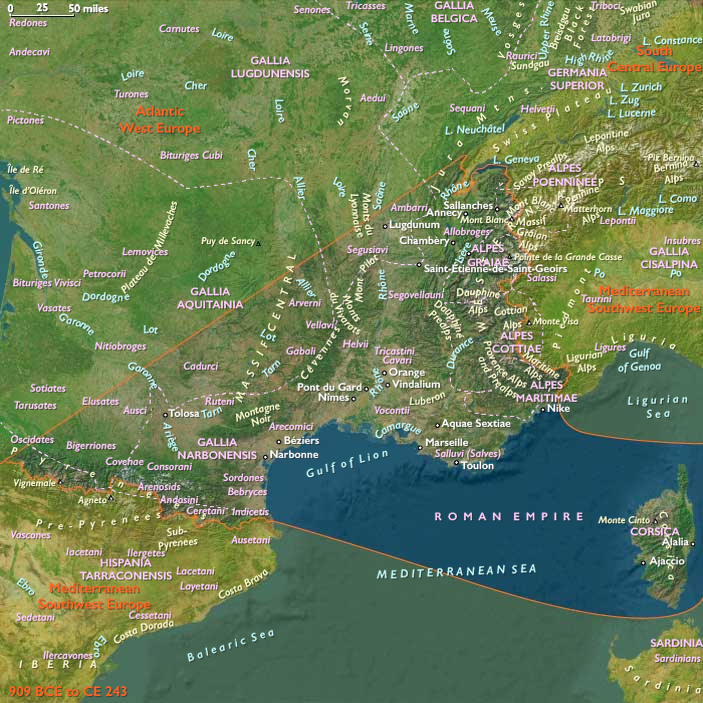
- Mediterranean West Europe
- Mediterranean Southwest Europe
- Atlantic West Europe
- West Central Europe
Related Events
Showing 10 events out of 61044 total
Years: 160 - 171
Groups
- Gauls
- Germania
- Gallia Narbonensis (Roman province)
- Germania Superior (Roman province)
- Germania Inferior (Roman province)
- Gallia Lugdunensis (Roman province)
- Gallia Belgica (Roman province)
- Gallia Aquitania (Roman province)
- Italy, Roman
- Germans
- Roman Empire (Rome): Nerva-Antonine dynasty
Topics
Subjects
Regions
Subregions
- Eastern Southeast Europe
- Western Southeast Europe
- South Central Europe
- Mediterranean West Europe
- Mediterranean Southwest Europe
- Atlantic West Europe
- West Central Europe