
Many of the world’s cultures seem to …
Years: 2925BCE - 2782BCE
Many of the world’s cultures seem to be drying out after massive flooding.
The Holocene Impact Working Group is a group of scientists from Australia, France, Ireland, Russia, and the USA who hypothesize that meteorite impacts on Earth are more common than previously supposed.
The group posits one large impact (equivalent to a ten-megaton bomb) every thousand years.
This estimate is based on evidence of five to ten large impact events in the last ten thousand years.
Satellite observations suggest the presence of many recent impact craters; megatsunamis are thought to have caused landforms such as chevrons.
The chevrons often point in the direction of specific impact craters, the supposition being that the chevrons were deposited by tsunamis originating from the impacts that formed those craters.
Burckle Crater is an undersea crater the Holocene Impact Working Group considered likely to have been formed by a very large scale and relatively recent (c. 3000-2800 BCE) comet or meteorite impact event.
It is estimated to be about thirty kilometers (eighteen miles) in diameter, hence about twenty-five times larger than Meteor Crater.
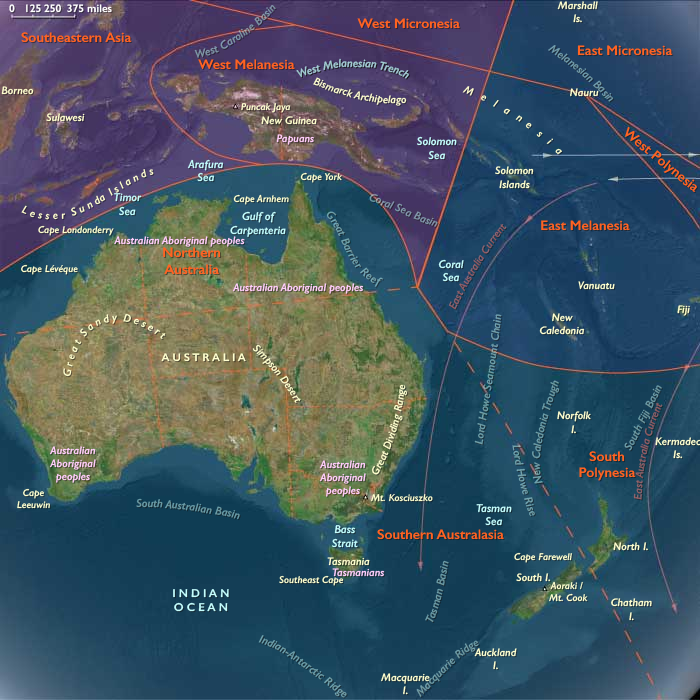
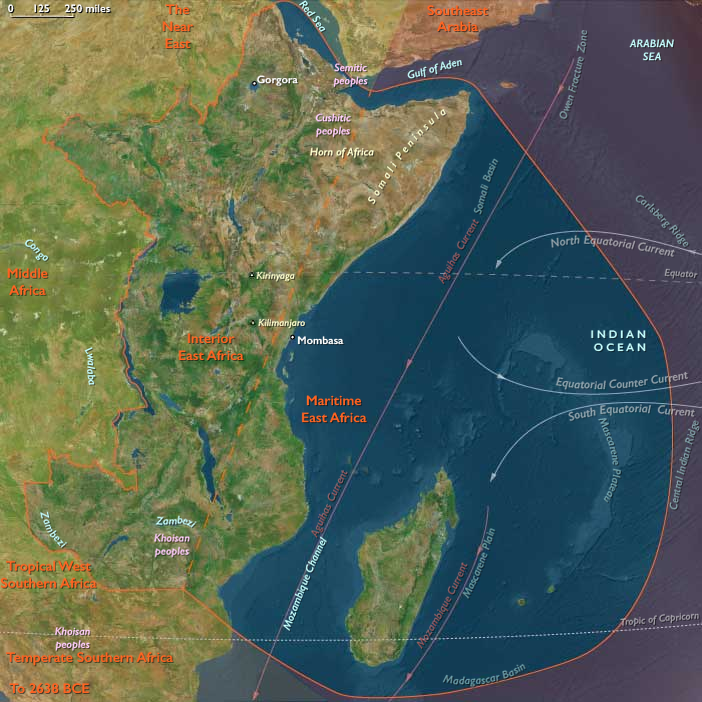
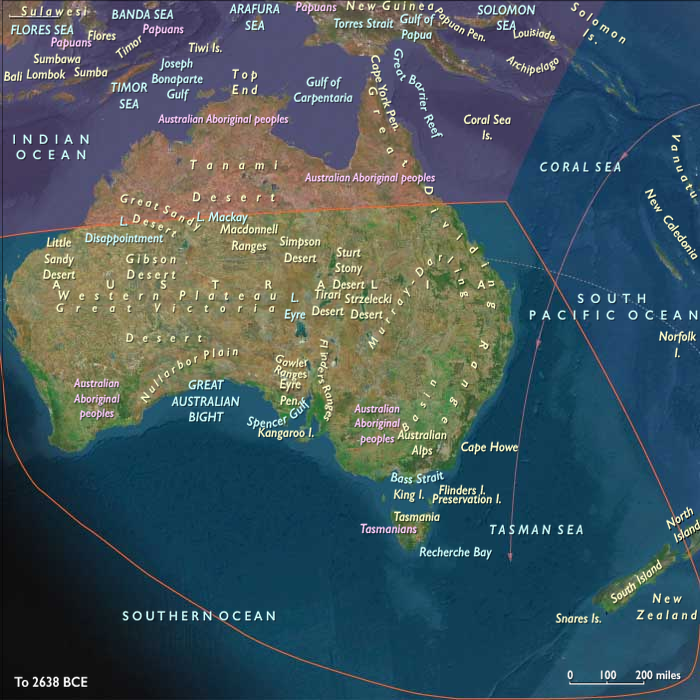
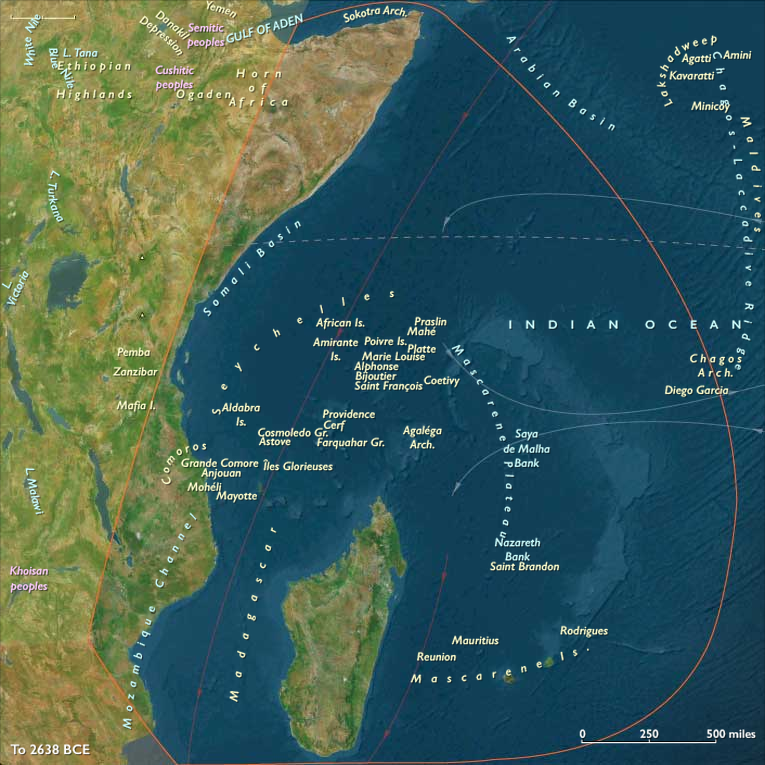
It is located to the east of Madagascar and west of Western Australia in the southern Indian Ocean, twelve thousand five hundred feet (thirty-eight hundred meters) below the surface.
Its position was determined in 2006 by the same group using evidence of its existence from prehistoric chevron dune formations in Australia and Madagascar that allowed them to triangulate its location.
Geologist Jody Bourgeois has challenged the theory that these chevron dunes are due to tsunamis; using a computer model to simulate a tsunami, she believes the structures are more consistent with aeolian processes.
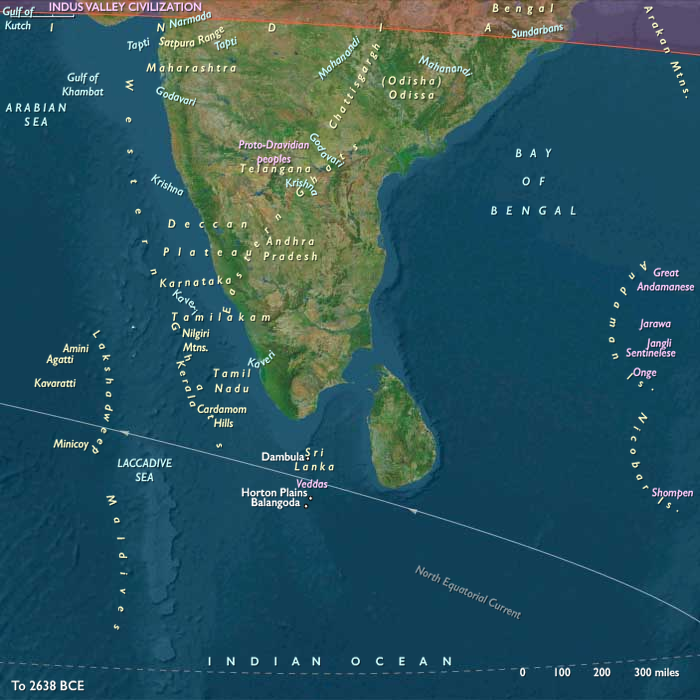
Kumarikandam, a vast continent that joined Madagascar, Southern India, and Australia, is said to have existed here as per ancient Tamil literature.
Numerous ancient writings from various cultures refer to a "great flood.”
It has been hypothesized that these legends may be associated with this event.
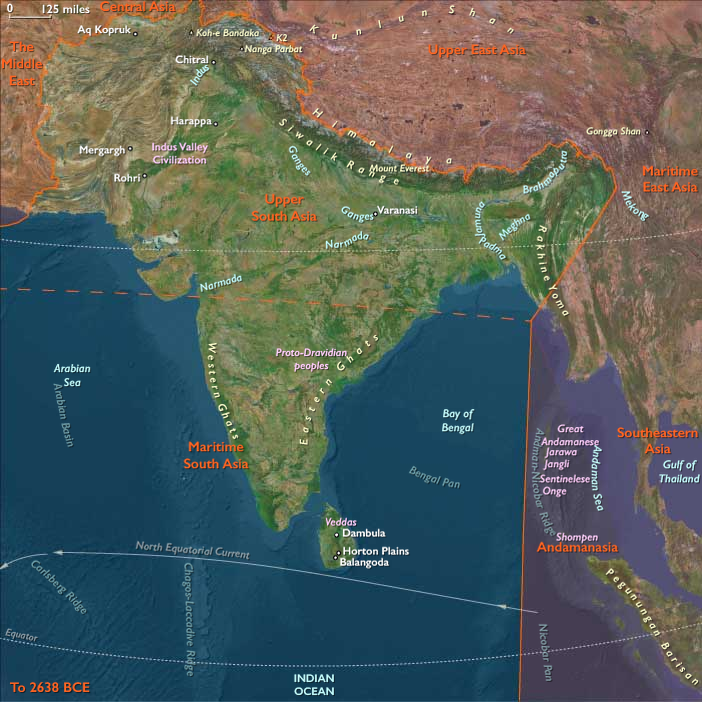
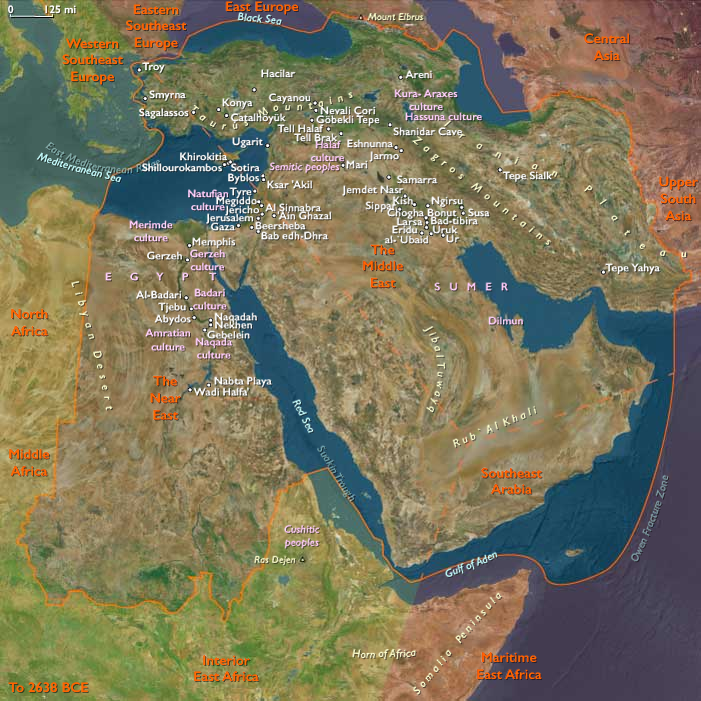
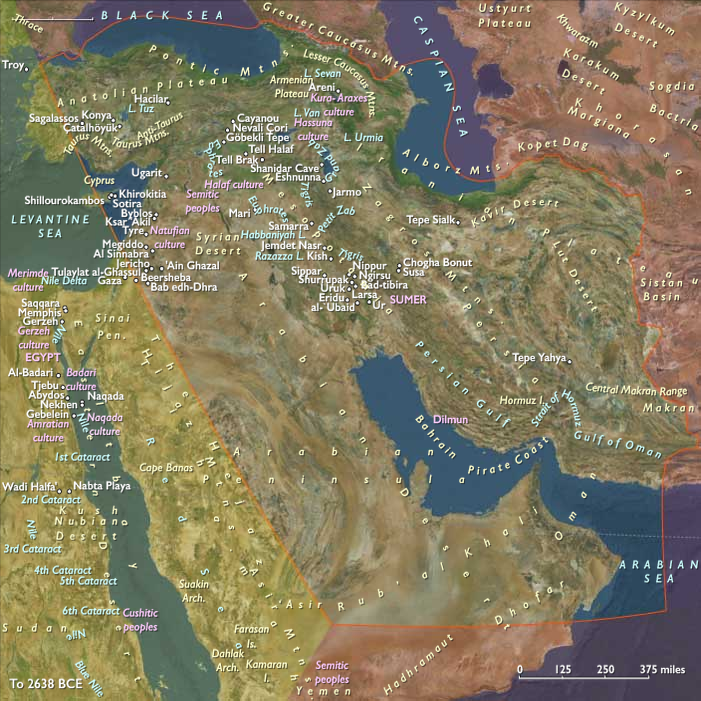
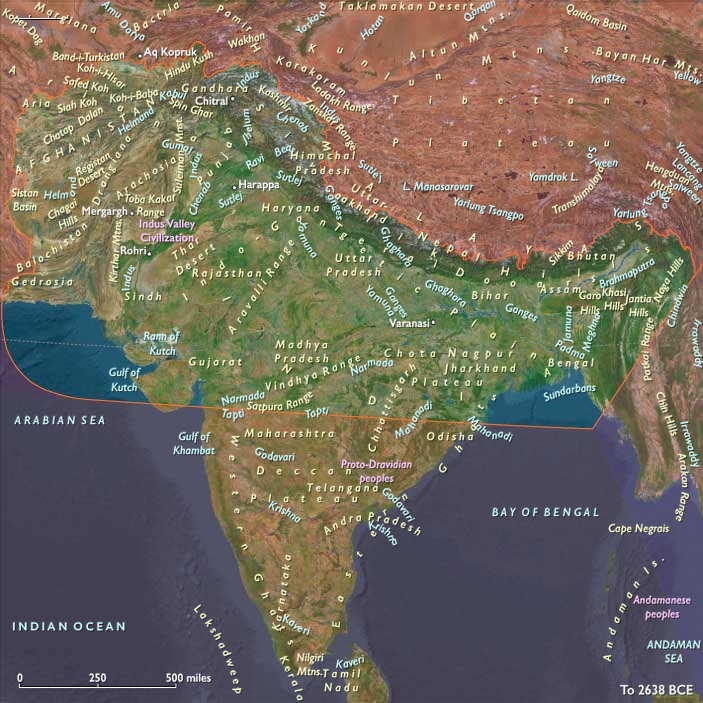
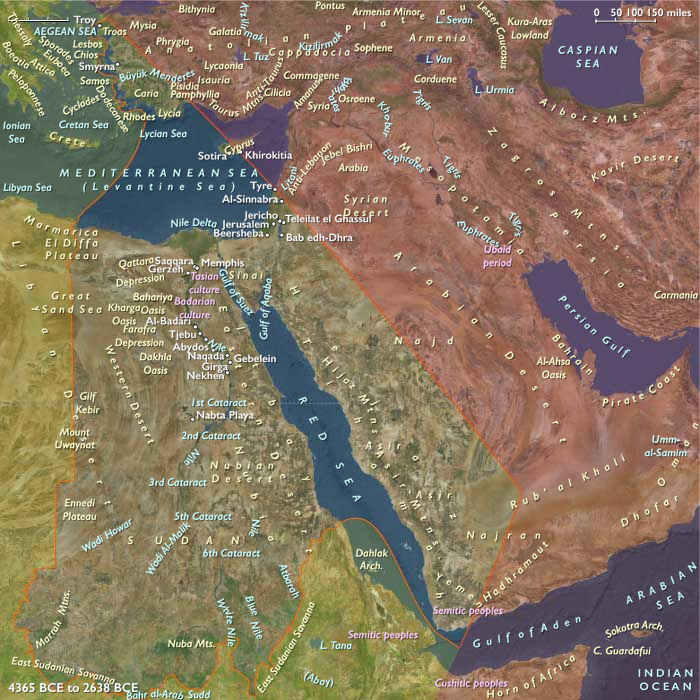
This time period sees the Indus Valley Civilization and the end of its Early Harappan Ravi Phase at ca. 2800 BCE; it also sees the end of the pre-dynastic "antediluvian" rulers of the Sumerian civilization and the start of the First Dynasty of Kish after 2900 BCE. ("After the flood had swept over, and the kingship had descended from heaven, the kingship was in Kish.").
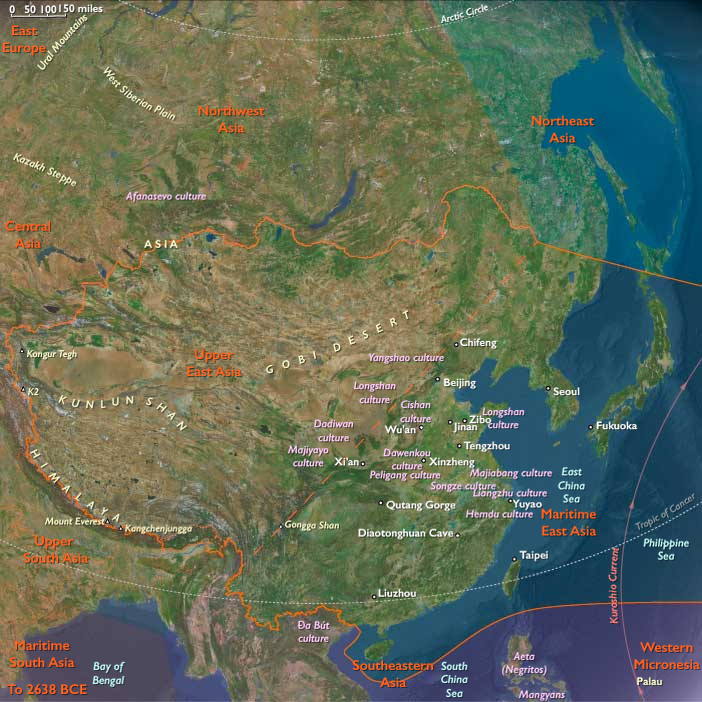
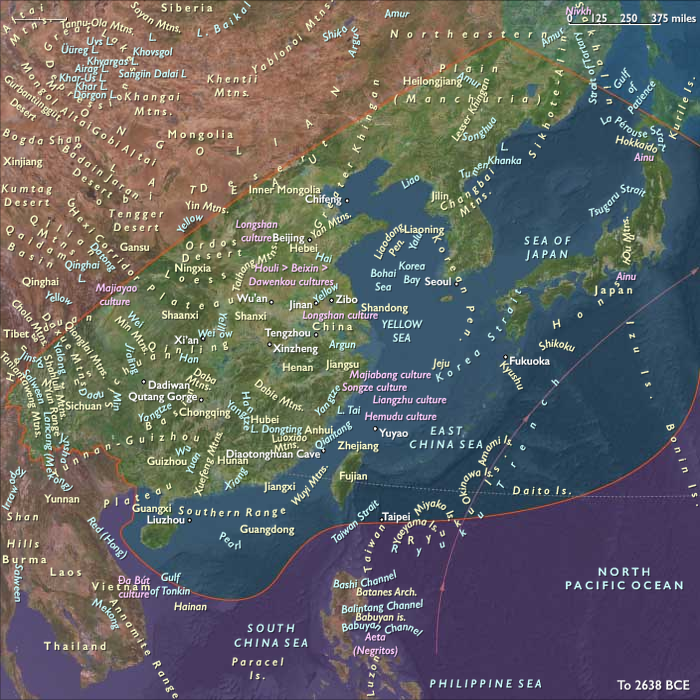
The pre-Xia dynasty rule of the Three Sovereigns and Five Emperors of China begins around 2850 BCE (with the first two figures, Fuxi and Nuwa, as husband and wife credited with being the ancestors of humankind after a devastating flood).
Topics
- Piora Oscillation ending the Neolithic Subpluvial
- Early Bronze Age II (Near and Middle East)
- Subboreal Period
- Three Sovereigns and Five Emperors Period in China
Commodoties
Subjects
Regions
Subregions
- Southern Australasia
- Maritime East Asia
- Middle East
- Upper South Asia
- Maritime South Asia
- Maritime East Africa
- Near East
Years: 2925BCE - 2782BCE
Topics
- Piora Oscillation ending the Neolithic Subpluvial
- Early Bronze Age II (Near and Middle East)
- Subboreal Period
- Three Sovereigns and Five Emperors Period in China
Commodoties
Subjects
Regions
Subregions
- Southern Australasia
- Maritime East Asia
- Middle East
- Upper South Asia
- Maritime South Asia
- Maritime East Africa
- Near East