
Filters:
The Rise of Humanist Political Thought: …
Years: 1516 - 1527
The Rise of Humanist Political Thought: The Courtier and The Education of a Christian Prince (1516)
Alongside Niccolò Machiavelli’s The Prince (1513, published 1532), the year 1516 saw the publication of two influential humanist political treatises:
- Baldassare Castiglione’s The Book of the Courtier (Il Libro del Cortegiano)
- Erasmus of Rotterdam’s The Education of a Christian Prince (Institutio Principis Christiani)
Like The Prince, these works encouraged a new model of education and leadership, blending humanist ideals, classical learning, and practical governance.
1. The Book of the Courtier by Baldassare Castiglione (1516)
- Written as a dialogue set in the court of Urbino, Castiglione’s work describes the ideal Renaissance courtier.
- Emphasizes grace, wit, and refined manners alongside military skill and classical learning.
- Introduces the concept of sprezzatura (effortless mastery), the ability to appear graceful and skilled without seeming to try.
- Advocates for humanistic education, including knowledge of history, poetry, music, and philosophy.
- The Courtier became the definitive guide to courtly behavior, influencing European aristocracy for centuries.
2. The Education of a Christian Prince by Erasmus (1516)
- A humanist response to Machiavelli’s The Prince, Erasmus’ treatise focused on the moral and ethical responsibilities of rulers.
- Advocated for a prince who rules justly, with wisdom and virtue, rather than through fear and manipulation.
- Drew on classical and Christian traditions, urging monarchs to lead with humility, reason, and concern for the common good.
- Criticized tyranny and war, promoting peaceful governance and diplomacy.
- Written for Charles V, the future Holy Roman Emperor, Erasmus hoped to shape the young ruler’s approach to kingship.
Comparison with Machiavelli’s The Prince
| Work | Philosophy | Ideal Leader | Approach to Power |
|---|---|---|---|
| Machiavelli's The Prince(1513) | Pragmatic and ruthless Realpolitik | A ruler who is feared, not necessarily loved | Power is maintained through cunning, force, and deception |
| Castiglione's The Courtier(1516) | Refined, elegant humanism | A charismatic, educated courtier, adept in both arms and letters | Influence through diplomacy, wit, and personal skill |
| Erasmus' The Education of a Christian Prince (1516) | Ethical, moral leadership | A just, virtuous, and wise Christian ruler | Power used for peace, justice, and the common good |
Impact on European Thought and Education
- These humanist texts reshaped Renaissance political and educational ideals, influencing:
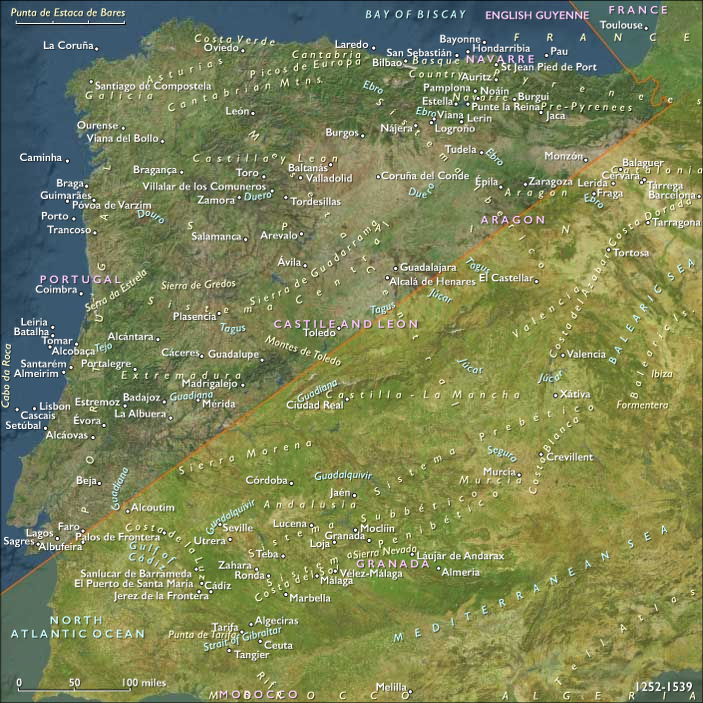
- Royal courts and aristocratic society, particularly in Italy, Spain, France, and England.
- The education of rulers, especially Charles V and later monarchs.
- The debate between moral leadership and realpolitik, which continues in political philosophy today.
Conclusion: A New Model of Leadership and Education
In 1516, The Courtier and The Education of a Christian Prince helped solidify humanist education as essential for leaders and courtiers. These works, alongside Machiavelli’s The Prince, shaped the political culture of the Renaissance, influencing diplomacy, governance, and the expectations of rulers and noblemen for generations to come.
People
Topics
Subjects
Regions
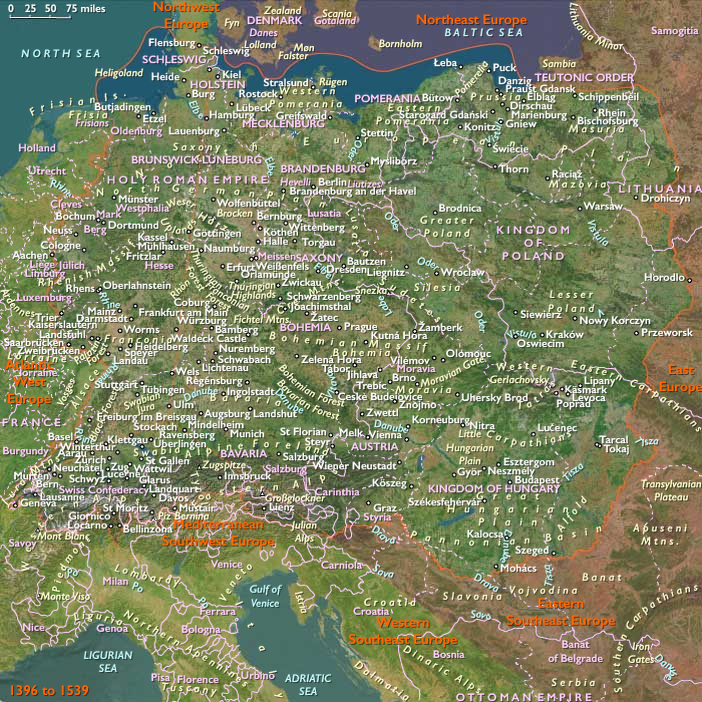


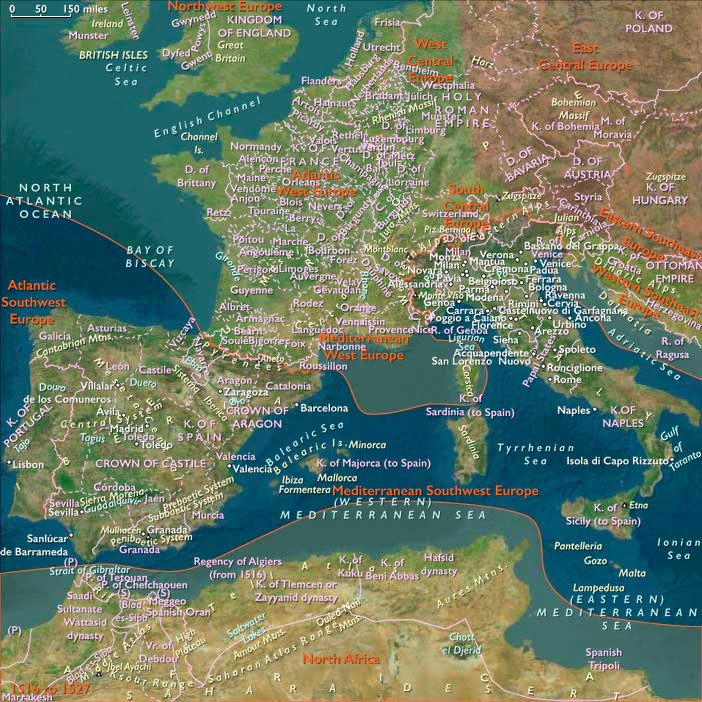
Subregions
- East Europe
- Northeast Europe
- East Central Europe
- Eastern Southeast Europe
- Western Southeast Europe
- South Central Europe
- Mediterranean West Europe
- Mediterranean Southwest Europe
- Atlantic Southwest Europe
- Atlantic West Europe
- West Central Europe
- Northwest Europe


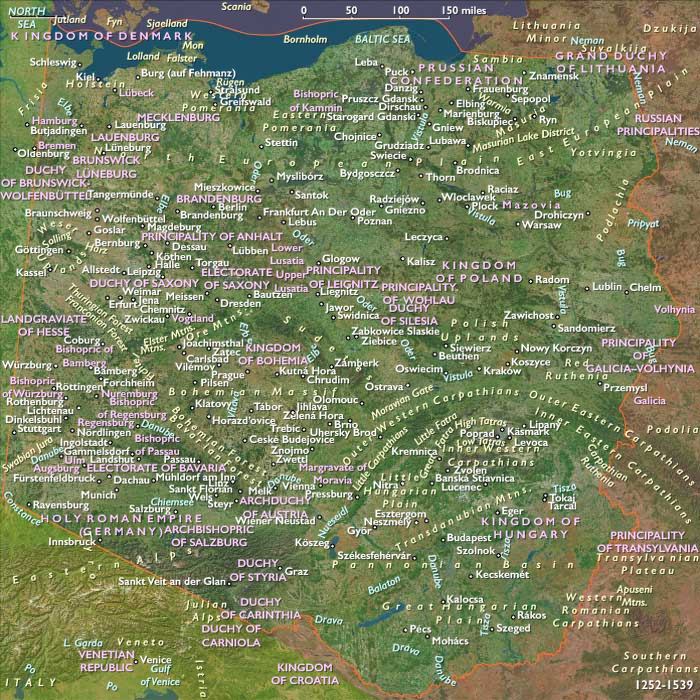


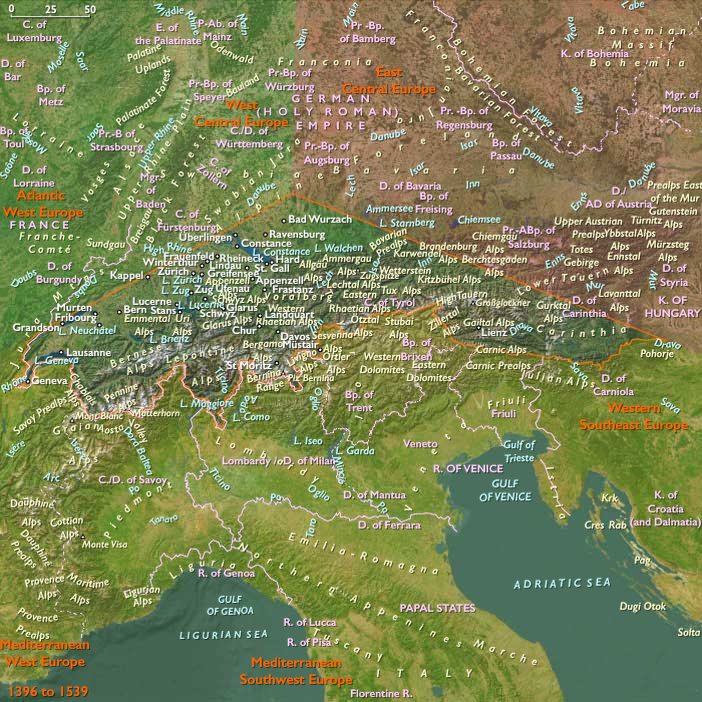




Related Events
Showing 5 events out of 5 total
Years: 1516 - 1527
People
Topics
Subjects
Regions
Subregions
- East Europe
- Northeast Europe
- East Central Europe
- Eastern Southeast Europe
- Western Southeast Europe
- South Central Europe
- Mediterranean West Europe
- Mediterranean Southwest Europe
- Atlantic Southwest Europe
- Atlantic West Europe
- West Central Europe
- Northwest Europe