
Mahuika crater is a proposed submarine bolide …
Years: 1432 - 1443
Mahuika crater is a proposed submarine bolide impact crater, 20 ± 2 kilometers wide and over one hundred and fifty meters deep, on the New Zealand continental shelf named after the Māori god of fire.
It was discovered by Dallas Abbott and her colleagues from the Lamont-Doherty Earth Observatory of the Columbia University.
However, there is debate about its origins.
Around the year 1400, the natives of New Zealand abandoned their southern coastal settlements.
New Zealand tsunami expert Professor James Goff attributes coastal abandonment in New Zealand at 1500 CE to an earthquake-induced tsunami event.
However, the largest historical earthquakes produced maximum tsunami runups of forty to sixty meters.
On Stewart Island, New Zealand, beach sand is present about two hundred and twenty meters above sea level at Hellfire Hut and about one hundred and fifty meters above sea level at Mason Bay.
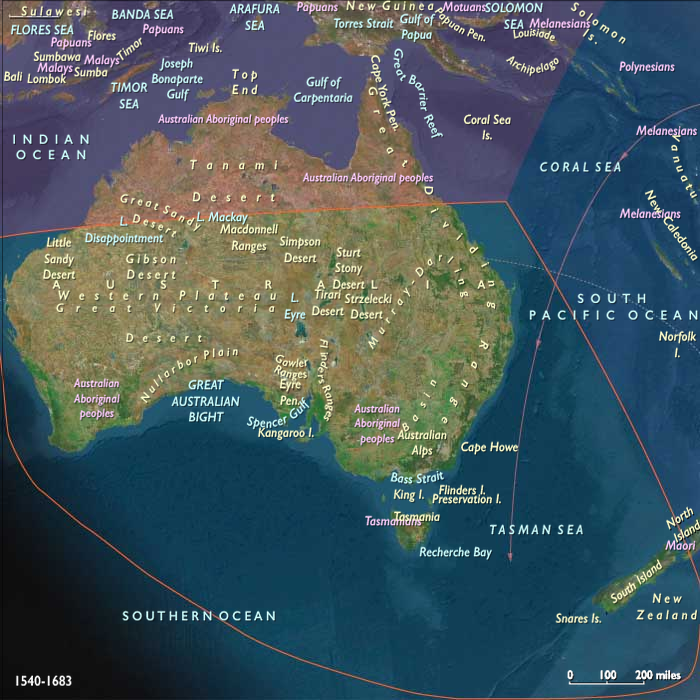
In eastern Australia, there are megatsunami deposits with maximum run-ups of over one hundred and thirty meters and a C-14 age of ~1500 CE.
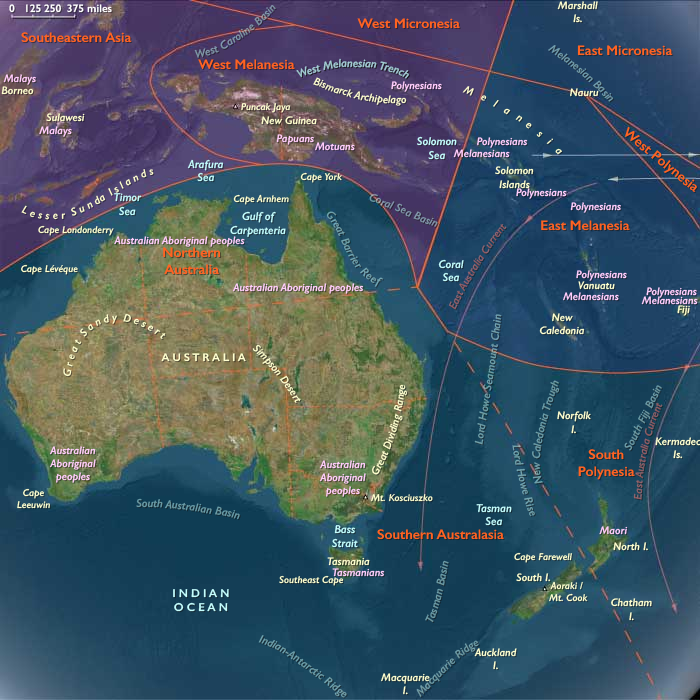
Megatsunami deposits occur on the eastern side of Lord Howe Island in the middle of the Tasman Sea, implying a source crater for the tsunami further east.
Abbott et al. (2003) will suggest that a bolide impact would explain both the geological and anthropological evidence better than an earthquake.
Based on elemental anomalies, fossils, and minerals, which are interpreted to be derived from the impact, found in an ice core from the Siple Dome in Antarctica, Abbott et al. (2005) will argue that the impact, which created the Mahuika crater occurred around 1443 CE, but other sources have placed the date as February 13, 1491 CE.
Some evidence suggests that the tsunami it caused was observed by aborigines and entered into their mythology.
A paper published in Marine Geology in 2010 critically analyzed Abbott's claims regarding the origin of the Mahuika crater.
The researchers determined that there was no evidence to indicate a comet created the crater, and therefore the possibility of an impact causing the tsunami was highly unlikely.
Locations
Topics
Subjects
Regions
Subregions
Years: 1432 - 1443
Locations
Topics
Subjects
Regions
Subregions