
Filters:
Magyar Raid on Alsace (917): The Eastern …
Years: 919 - 919
Magyar Raid on Alsace (917): The Eastern Frankish Kingdom Under Attack
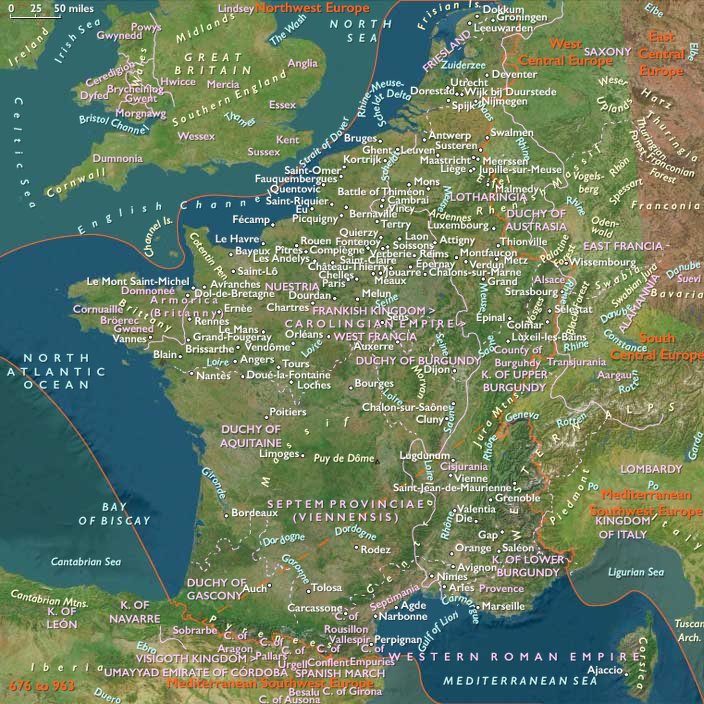
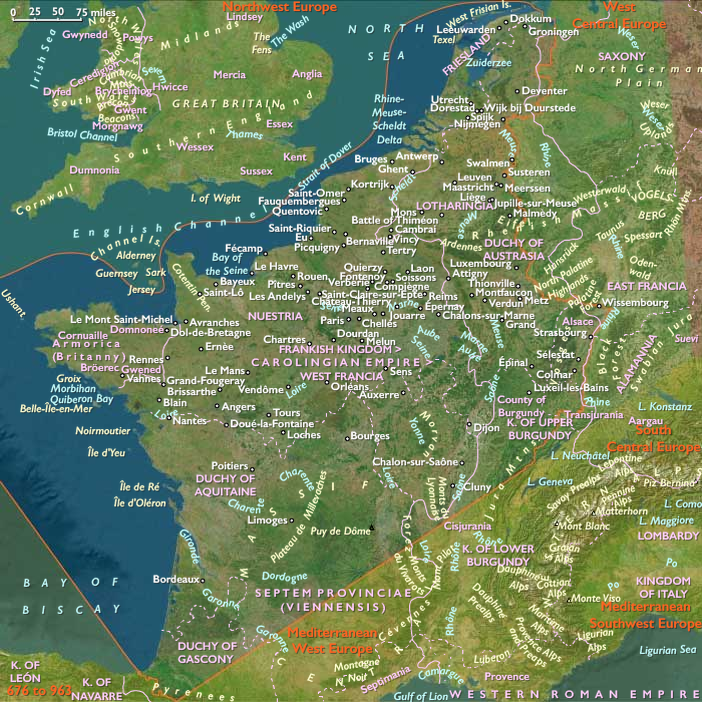
In 917, the Magyars, nomadic warriors from the Hungarian plains, launch a raid into Alsace, continuing their devastating incursions into East Francia. This attack is part of a broader wave of Magyar invasions that threaten the crumbling Carolingian realm in the early 10th century.
Context: The Magyar Raids into East Francia
- The Magyars had emerged as a dominant force in Central Europe, taking advantage of the fragmentation of East Francia following the death of Louis the Child (911).
- Lacking a strong central ruler, East Francia was vulnerable to external attacks, and the Magyars frequently raided into Bavaria, Swabia, and Lotharingia.
- The raid on Alsace in 917 follows previous incursions into Germany, Italy, and Burgundy, as the Magyars exploit weak defenses along the Rhine frontier.
The Raid on Alsace
- The Magyars, known for their swift horse-mounted warfare, penetrate deep into Alsace, targeting towns, monasteries, and trade routes.
- The raiders plunder villages and religious sites, taking slaves and loot before retreating to their strongholds in the Hungarian plains.
- The East Frankish nobility struggles to mount a coordinated defense, as the kingdom is divided among powerful dukes, each focused on securing their own territories.
Consequences of the 917 Magyar Raid
-
Continued Weakness of East Francia
- The raid highlights the vulnerability of the eastern frontier, as local rulers fail to repel the invaders effectively.
- The Carolingian system of decentralized rule makes a unified military response difficult, allowing the Magyars to raid almost at will.
-
The Need for Stronger Defenses
- The attacks lead to greater reliance on local ducal leadership, particularly in Bavaria, Swabia, and Franconia, which begin to fortify their regions.
- This foreshadows the rise of the Ottonian dynasty, which will later develop military strategies to counter the Magyar threat.
-
Prelude to Further Magyar Raids
- The Magyar raid of 917 is one of many incursions into East Francia and signals continued instability in the region.
- Their attacks will intensify throughout the 920s and 930s, culminating in the Battle of Lechfeld in 955, where they will finally be defeated by Otto I of Germany.
Conclusion: The Growing Magyar Threat
The 917 raid on Alsace demonstrates the ongoing weakness of the East Frankish kingdom, which is unable to effectively resist the Magyars. The fragmentation of Carolingian authority ensures that these raids will continue, pushing East Francia toward military reform and centralized ducal leadership, ultimately paving the way for the rise of the Holy Roman Empire.
Locations
People
- Arnulf I
- Charles the Simple
- Gilbert
- Henry the Fowler
- Herbert II
- Hugh the Black
- Hugh the Great
- Louis IV, King of Western Francia
- Louis the Blind
- Robert I of France
- Rollo of Normandy
- Rudolph of France
Groups
- Franks
- Hungarian people
- Wessex, English Kingdom of
- Vikings
- Francia Occidentalis (West Francia, or France), Kingdom of
- Francia Orientalis (East Francia), Kingdom of
- Flanders, County of
- Hungary, Principality of
- Lotharingia, Duchy of
Topics
Commodoties
Subjects
Regions
Subregions
Years: 919 - 919
Locations
People
- Arnulf I
- Charles the Simple
- Gilbert
- Henry the Fowler
- Herbert II
- Hugh the Black
- Hugh the Great
- Louis IV, King of Western Francia
- Louis the Blind
- Robert I of France
- Rollo of Normandy
- Rudolph of France
Groups
- Franks
- Hungarian people
- Wessex, English Kingdom of
- Vikings
- Francia Occidentalis (West Francia, or France), Kingdom of
- Francia Orientalis (East Francia), Kingdom of
- Flanders, County of
- Hungary, Principality of
- Lotharingia, Duchy of
Topics
Commodoties
Subjects
Regions
Subregions