Font de Gaume: A Masterpiece of Magdalenian Cave Art
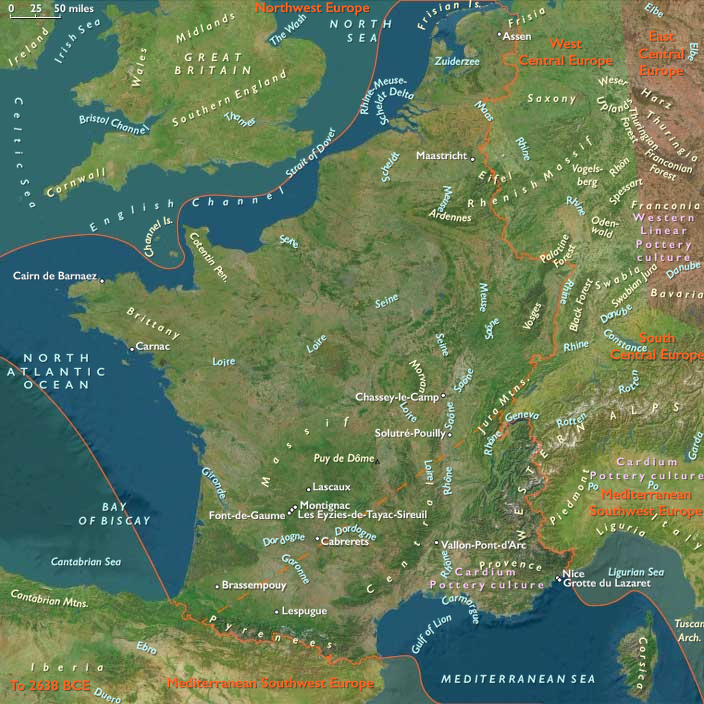
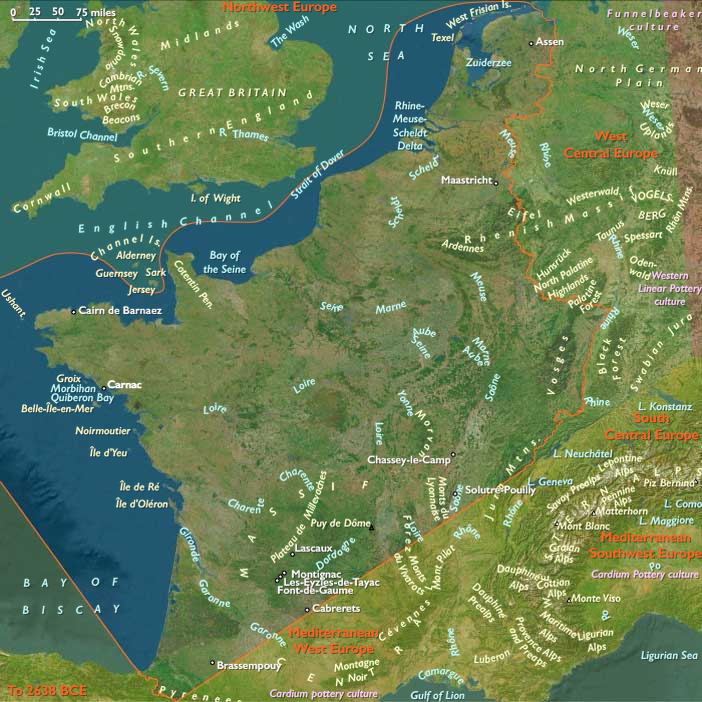
TheMagdalenian culture(c.17,000–10,000 BCE) is renowned for itsspectacular cave paintings and intricate engravings on antler and bone. One of thefinest known examplesof Magdalenian artistry is theFont de Gaume cave, located inLes Eyzies, in theDordogne Valleyof present-dayFrance.
Prehistoric Settlement and Artistic Development
First occupied around 25,000 BCE, the cave’s entrance was usedsporadically for thousands of years.
Thewalls of the cavefeature an extraordinary array ofpolychrome paintings and engravings, showcasing the artistic depth ofUpper Paleolithic peoples.
The artwork was executedcirca 15,000 BCE or later, reflecting theheight of Magdalenian culture.
The Iconography of Font de Gaume
The cave contains over230 recorded figures, thoughmore may yet be discovered.
The paintings includeat least 200 polychrome images, makingFont de Gaume the most significant example of polychrome cave art after Lascaux, which is now closed to the public.
Depictions include:
Over80 bison, captured in remarkable detail.
Around40 horses, often in dynamic postures.
More than20 woolly mammoths.
Friezes showingmale and female reindeer together, an uncommon but notable subject.
Rare depictions ofwoolly rhinoceroses, emphasizing the diversity of Ice Age fauna.
Significance of Font de Gaume
The cave’spolychrome painting techniques, usingmultiple colors and shading, demonstrate anadvanced understanding of depth, motion, and perspective.
The presence ofso many well-preserved figureshighlightsMagdalenian artistic sophistication and symbolic expression.
The site remainsone of the last major decorated caves still open to the public, offering a rare glimpse into theprehistoric world of Ice Age Europe.
A Lasting Legacy of Magdalenian Art
Font de Gaume stands as atestament to the creativity and skill of Magdalenian artists, preserving an extraordinary visual record ofprehistoric life and animal diversity. The cave’srich iconographyandpolychrome masterpieces continue to inspire and deepen our understanding ofearly human artistic and cultural achievements.