
Maritime East Asia (1996–2007 CE): Globalization, Economic …
Years: 1996 - 2007
Maritime East Asia (1996–2007 CE): Globalization, Economic Reforms, and Strategic Challenges
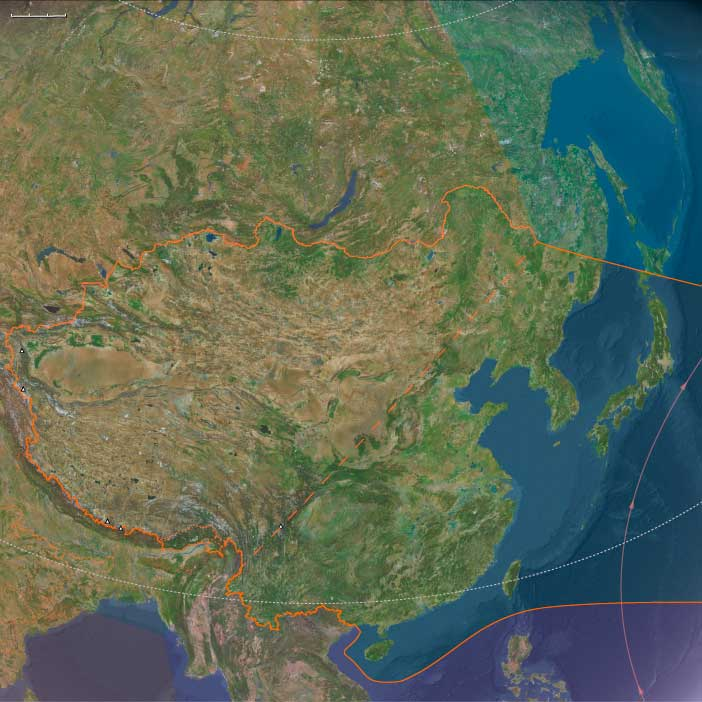
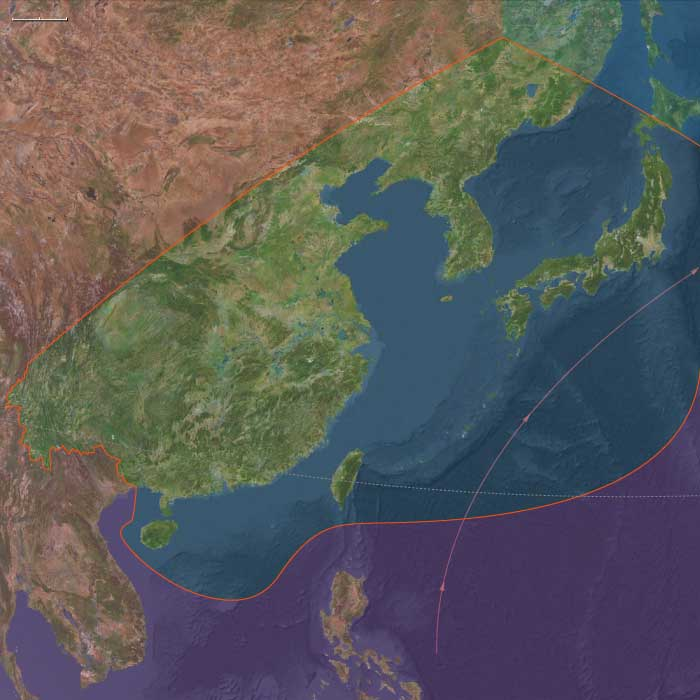
Between 1996 and 2007 CE, Maritime East Asia—comprising lower Primorsky Krai, the Korean Peninsula, the Japanese Archipelago south of northern Hokkaido, Taiwan, and southern, central, and northeastern China—experiences a decade marked by deepening globalization, economic resilience in the face of regional crises, political realignments, and evolving strategic tensions. This period significantly shapes contemporary regional dynamics, highlighting both opportunities and vulnerabilities emerging from increased interdependence and geopolitical friction.
China: Continued Economic Ascent and Increased Global Integration
Under the pragmatic leadership of Jiang Zemin (1993–2003) and later Hu Jintao (2003–2013), China continues its rapid economic growth, reaching annual GDP increases near double digits. The nation's pivotal entry into the World Trade Organization (WTO) in 2001 accelerates China's integration into global markets, profoundly affecting international trade and investment patterns. The resulting economic boom strengthens China’s global position, furthering its transformation into a manufacturing powerhouse and rapidly expanding its middle class.
However, rapid growth also exacerbates social inequalities, environmental degradation, and corruption. The Chinese leadership maintains strict political control and resists political liberalization, although cautiously introducing measures to address rural poverty and regional disparities under Hu’s "Harmonious Society" initiative (2005). Additionally, massive infrastructure projects—symbolized by the Three Gorges Dam (completed 2006)—underscore China’s commitment to modernization despite domestic and international controversies.
Japan: Economic Stagnation and Political Flux
Japan’s economic stagnation—the "Lost Decade"—persists, extending well beyond initial expectations into the early 2000s, characterized by deflation, banking crises, and subdued growth. Despite reforms such as Junichiro Koizumi’s (2001–2006) neoliberal restructuring efforts to reduce debt and privatize state enterprises, economic recovery remains sluggish. Structural issues like declining birthrates, aging demographics, and resistance to immigration reforms pose long-term socioeconomic challenges.
Politically, the dominant Liberal Democratic Party (LDP) experiences periods of internal fragmentation but maintains its centrality, aided by Koizumi’s popularity. Meanwhile, Japan’s international influence shifts, prioritizing regional diplomacy, trade integration, and alliance management with the United States amid heightened regional tensions, especially regarding North Korea’s nuclear provocations and China’s rising influence.
Korean Peninsula: Divergent Paths and Nuclear Crisis
South Korea continues its remarkable economic trajectory despite the Asian Financial Crisis (1997–1998), responding decisively with IMF-supported structural reforms, ultimately emerging stronger. Under President Kim Dae-jung (1998–2003), South Korea initiates the "Sunshine Policy," promoting diplomatic engagement with North Korea, marked by the historic inter-Korean summit (2000). The succeeding administration of Roh Moo-hyun (2003–2008) sustains engagement, while domestically navigating complex socioeconomic reforms, labor disputes, and increasing demands for political transparency and democratic accountability.
North Korea, led by Kim Jong-il, confronts severe economic crises, intensified isolation, and devastating famines that claim hundreds of thousands of lives. In a bold strategy to maintain regime security, North Korea significantly escalates its nuclear program, conducting its first nuclear test in 2006, triggering global condemnation and increased international sanctions. Diplomatic efforts—including the Six-Party Talks involving China, Russia, South Korea, Japan, the United States, and North Korea—yield mixed outcomes, highlighting persistent geopolitical volatility.
Taiwan: Democratic Consolidation and Cross-Strait Tensions
Taiwan further consolidates its democratic institutions, holding its first direct presidential election in 1996, won by incumbent Lee Teng-hui. The pro-independence Democratic Progressive Party (DPP) achieves a milestone victory in 2000 with the election of Chen Shui-bian, ending the Kuomintang’s (KMT) half-century dominance. Chen’s administration advocates for a distinct Taiwanese identity, exacerbating tensions with mainland China, which intensifies its diplomatic isolation and military threats.
Economic growth continues robustly, driven by high-tech industries, particularly semiconductor manufacturing and consumer electronics, solidifying Taiwan's status as a critical hub in global technology supply chains. However, internal political polarization and cross-strait frictions remain constant concerns, compelling Taiwan to balance its democratic aspirations with pragmatic management of international pressures.
Primorsky Krai: Regional Reorientation and Economic Uncertainty
Primorsky Krai, under the Russian Federation, continues adjusting to post-Soviet realities, grappling with economic uncertainties, population decline, and infrastructure degradation. Vladivostok increasingly engages in cross-border trade with China, Japan, and South Korea, encouraging regional integration and attracting investment aimed at revitalizing the local economy.
However, economic recovery remains slow and uneven, hampered by corruption, bureaucratic inefficiencies, and geopolitical uncertainties stemming from shifting relationships among Russia, China, and the broader Pacific Rim countries.
Regional and Global Integration
The era witnesses deeper regional integration through trade agreements and multinational economic cooperation. The Asian Financial Crisis highlights the vulnerability of interconnected financial markets but also triggers greater regional economic resilience. In response, initiatives like the Chiang Mai Initiative (2000) emerge to foster financial cooperation among ASEAN+3 (China, Japan, and South Korea).
Multilateral forums, such as APEC and the nascent East Asia Summit (first held 2005), grow in importance, facilitating dialogue, economic cooperation, and regional policy alignment. Economic interdependence increasingly defines East Asia’s geopolitical landscape, simultaneously encouraging collaboration and intensifying strategic rivalries, especially between China, Japan, and the United States.
Legacy of the Era: Growing Interdependence Amid Persistent Challenges
The years 1996 to 2007 significantly shape Maritime East Asia, marked by deepening globalization, transformative economic reforms, persistent political and security challenges, and evolving regional dynamics. China asserts itself as a major global economic player while maintaining political control. Japan endures prolonged stagnation but retains significant global economic influence. South Korea navigates crises successfully, deepens democracy, and strengthens diplomatic efforts, while North Korea intensifies nuclear provocations. Taiwan firmly establishes democratic practices while confronting sustained pressure from mainland China. Primorsky Krai seeks economic revival through regional integration yet faces ongoing structural hurdles.
Collectively, this era sets a critical stage for Lower East Asia’s evolving role in global geopolitics and economics, shaping opportunities and challenges that define regional developments into the twenty-first century.
People
- Chen Shui-bian
- Hu Jintao
- Jiang Zemin
- Junichiro Koizumi
- Kim Dae-jung
- Kim Jong Il
- Lee Teng-hui
- Roh Moo-hyun
Groups
- United States of America (US, USA) (Washington DC)
- Kuomintang (KMT)
- Communist Party of China
- Japan, Showa Period
- United Nations, The (U.N.)
- Korea, Democratic People's Republic of (North Korea)
- China, People's Republic of
- Taiwan (Republic of China)
- ASEAN
- Korea, (Sixth) Republic of (South Korea)
- Russian Federation
- WTO (World Trade Organization)
Topics
Commodoties
Subjects
Regions
Subregions
Years: 1996 - 2007
People
- Chen Shui-bian
- Hu Jintao
- Jiang Zemin
- Junichiro Koizumi
- Kim Dae-jung
- Kim Jong Il
- Lee Teng-hui
- Roh Moo-hyun
Groups
- United States of America (US, USA) (Washington DC)
- Kuomintang (KMT)
- Communist Party of China
- Japan, Showa Period
- United Nations, The (U.N.)
- Korea, Democratic People's Republic of (North Korea)
- China, People's Republic of
- Taiwan (Republic of China)
- ASEAN
- Korea, (Sixth) Republic of (South Korea)
- Russian Federation
- WTO (World Trade Organization)
Topics
Commodoties
Subjects
Regions
Subregions