
Maritime East Asia (1936–1947 CE): War, Occupation, …
Years: 1936 - 1947
Maritime East Asia (1936–1947 CE): War, Occupation, and Revolutionary Change
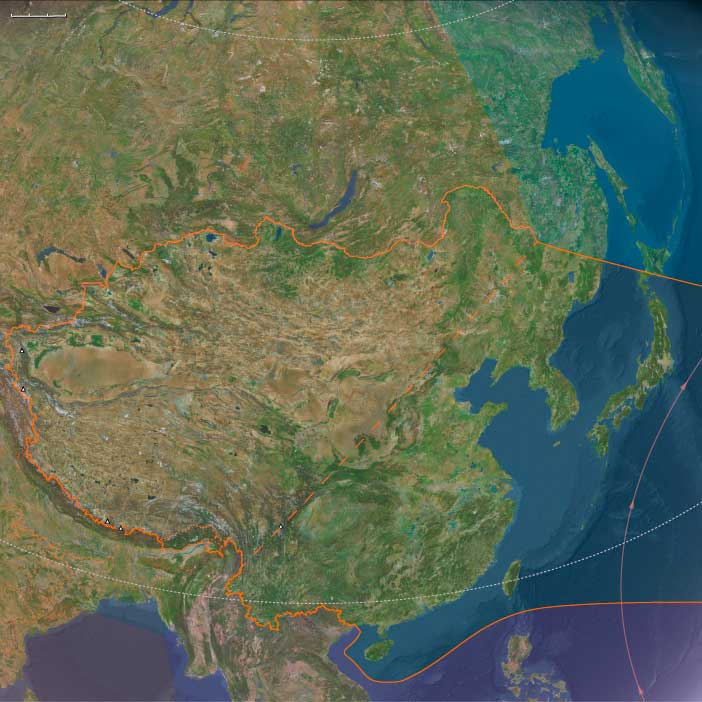
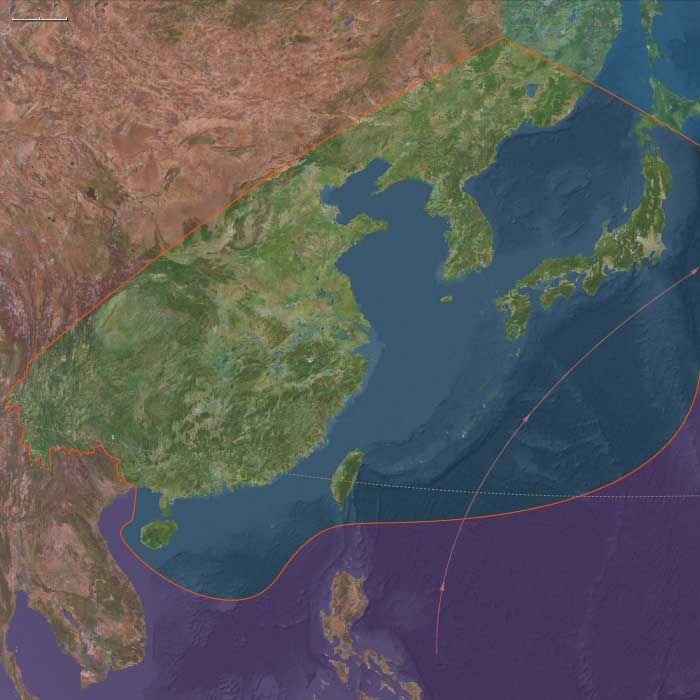
Between 1936 and 1947 CE, Maritime East Asia—encompassing lower Primorsky Krai, the Korean Peninsula, the Japanese Archipelago south of northern Hokkaido, Taiwan, and southern, central, and northeastern China—experiences unprecedented upheaval driven by war, occupation, revolutionary movements, and transformative geopolitical shifts. This tumultuous era dramatically reshapes the region, ending imperial ambitions and laying foundations for new ideological and national identities.
China: Japanese Invasion, Nationalist-Communist Alliance, and Civil War
China endures a full-scale Japanese invasion beginning with the Marco Polo Bridge Incident (1937), marking the start of the brutal Second Sino-Japanese War (1937–1945). Japanese forces swiftly occupy major cities, committing widespread atrocities, notably the Nanjing Massacre (1937). Chinese resistance persists through guerrilla warfare led by the Communist forces under Mao Zedong and conventional armies commanded by the Nationalists under Chiang Kai-shek, temporarily uniting these rivals against Japanese aggression.
Following Japan’s defeat in 1945, civil conflict rapidly resumes, escalating into a full-fledged civil war (1946–1949), as Nationalists and Communists vie for dominance over China’s political future. The Nationalist government struggles with corruption, economic instability, and military setbacks, while Communist strength steadily grows, aided by popular rural support and effective guerrilla tactics.
Korea: Colonial Exploitation, Wartime Mobilization, and Liberation
Under severe wartime pressures, Korea suffers intensified Japanese colonial exploitation, including forced labor, conscription into military service, and the brutal suppression of cultural identity. Korean resources and manpower are ruthlessly appropriated for Japan’s war effort, leaving a lasting legacy of trauma and resentment.
Liberation finally arrives in 1945, following Japan’s surrender in World War II. However, this freedom is immediately complicated by geopolitical rivalry, as the Korean Peninsula is divided along the 38th parallel, with the Soviet Union controlling the north and the United States overseeing the south. This division sets the stage for long-term ideological conflict and national partition.
Japan: Militarist Expansion, Devastating Defeat, and Occupation
Japan escalates its militarist ambitions, initiating full-scale war against China in 1937, before further expanding into Southeast Asia and the Pacific. This aggression culminates in Japan's entry into World War II following the attack on the United States naval base at Pearl Harbor (1941). Despite initial territorial gains, Japan suffers devastating defeats, culminating in the atomic bombings of Hiroshima and Nagasaki (1945) by the United States.
Japan’s unconditional surrender in August 1945 results in extensive Allied occupation, primarily under American administration. The occupation introduces sweeping reforms aimed at demilitarization, democratization, and reconstruction, fundamentally reshaping Japan’s political system, economy, and society, while permanently dismantling its imperial ambitions.
Taiwan: Wartime Integration and Postwar Transition
Throughout World War II, Taiwan remains under strict Japanese rule, serving as a critical base for Japan’s military operations in East Asia. The population faces stringent assimilation efforts and resource extraction to support the war effort. Japanese rule abruptly ends in 1945 when Taiwan is returned to the Republic of China (ROC) following Japan's defeat.
The transition proves difficult, marked by cultural friction, economic disruption, and political tensions between the Taiwanese population and the new ROC administration, culminating tragically in the February 28 Incident (1947), where widespread local protests are violently suppressed, creating deep-seated distrust that shapes Taiwan’s political consciousness for generations.
Legacy of the Era: New Identities and Lasting Divisions
The years 1936 to 1947 CE represent a transformative era in Maritime East Asia, defined by catastrophic warfare, liberation from colonial domination, ideological struggles, and emerging Cold War geopolitics. China's civil conflict deepens, eventually paving the way for communist victory. Korea experiences the trauma of colonization followed by liberation and division, laying the foundation for future conflict. Japan emerges from devastating defeat to embark on profound transformation under foreign occupation. Taiwan navigates turbulent postwar realignment, beginning a complex period of political transition and identity formation. Collectively, these dramatic shifts profoundly reshape regional dynamics, setting lasting trajectories for the ensuing Cold War period.
People
Groups
- Taiwan, or Formosa (Japanese colony)
- Choson, Japanese protectorate of
- China, Republic of
- Kuomintang (KMT)
- League of Nations, The
- Korea, Provisional Government of the Republic of
- Communist Party of China
- Japan, Showa Period
- Manchuria, State of (Manchukuo)
- Manchuria, Great Empire of (Manchukuo)
- Taiwan (Republic of China protectorate)
- United States Army Military Government in Korea (USAMGIK)
- Soviet Civil Administration (SCA)
Topics
- “Nanjing decade”
- Chinese Civil War
- Depression, Great
- Marco Polo Bridge incident
- Sino-Japanese War of 1937-45
- Nanking Massacre, or Nanking, Sack of (”Rape of Nanking”)
- World War, Second (World War II)
- Pearl Harbor Attack
- Second World War in the Pacific
- Chinese Civil War of 1945-49
- Hiroshima and Nagasaki, Atomic bombings of
- Korean Occupation Rebellion
- February 28 incident
Commodoties
Subjects
Regions
Subregions
Years: 1936 - 1947
People
Groups
- Taiwan, or Formosa (Japanese colony)
- Choson, Japanese protectorate of
- China, Republic of
- Kuomintang (KMT)
- League of Nations, The
- Korea, Provisional Government of the Republic of
- Communist Party of China
- Japan, Showa Period
- Manchuria, State of (Manchukuo)
- Manchuria, Great Empire of (Manchukuo)
- Taiwan (Republic of China protectorate)
- United States Army Military Government in Korea (USAMGIK)
- Soviet Civil Administration (SCA)
Topics
- “Nanjing decade”
- Chinese Civil War
- Depression, Great
- Marco Polo Bridge incident
- Sino-Japanese War of 1937-45
- Nanking Massacre, or Nanking, Sack of (”Rape of Nanking”)
- World War, Second (World War II)
- Pearl Harbor Attack
- Second World War in the Pacific
- Chinese Civil War of 1945-49
- Hiroshima and Nagasaki, Atomic bombings of
- Korean Occupation Rebellion
- February 28 incident
Commodoties
Subjects
Regions
Subregions