
Maritime East Asia (1924–1935 CE): Nationalist Struggles, …
Years: 1924 - 1935
Maritime East Asia (1924–1935 CE): Nationalist Struggles, Militarization, and Prelude to War
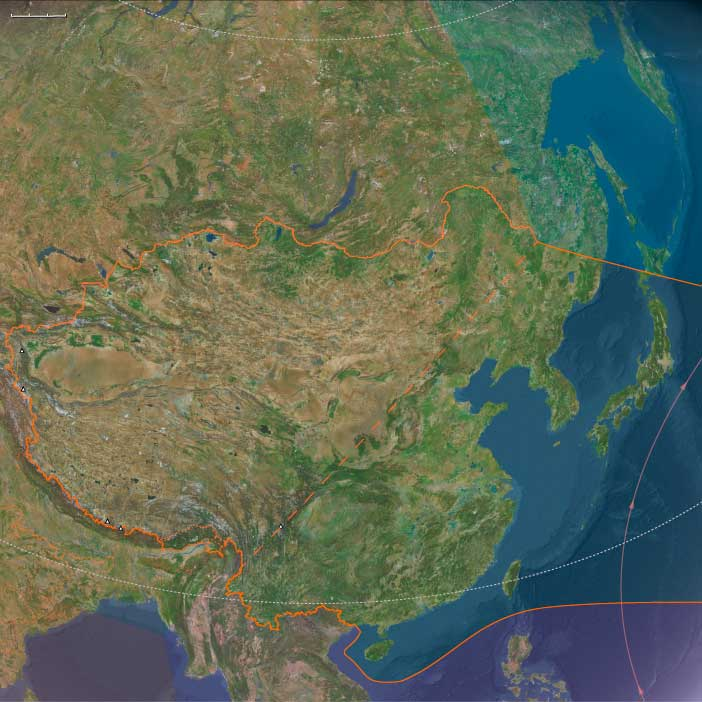
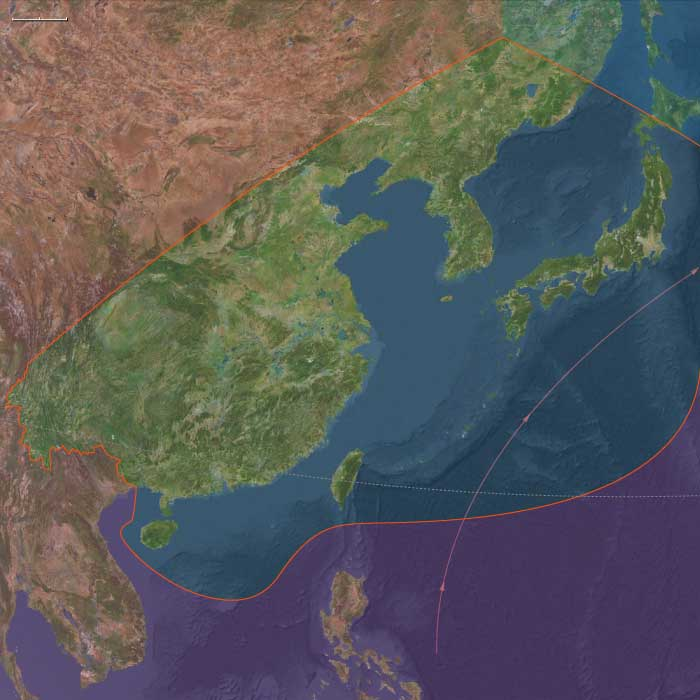
Between 1924 and 1935 CE, Maritime East Asia—comprising lower Primorsky Krai, the Korean Peninsula, the Japanese Archipelago south of northern Hokkaido, Taiwan, and southern, central, and northeastern China—is marked by escalating nationalist movements, deepening militarization, and intensifying regional rivalries that lay the groundwork for broader conflict. The era witnesses the decline of democratic experiments, the assertion of authoritarian and military powers, and sustained resistance against colonial oppression.
China: Nationalist Unification and Communist Ascendancy
In China, the chaotic Warlord Era gradually gives way to efforts at national reunification led by the Kuomintang (KMT) under Sun Yat-sen and, following Sun's death in 1925, Chiang Kai-shek. Chiang launches the Northern Expedition (1926–1928), successfully defeating major warlords and nominally reunifying China under the KMT government based in Nanjing.
Yet the unity proves fragile. In 1927, Chiang purges Communist elements from the KMT, precipitating a civil conflict between the KMT and the newly formed Chinese Communist Party (CCP) under leaders such as Mao Zedong. This struggle leads to the establishment of rural Communist bases, notably in Jiangxi, culminating in the historic Long March (1934–1935)—an arduous retreat that solidifies Mao’s leadership and defines the CCP's revolutionary identity.
Korea: Intensified Colonial Control and Underground Resistance
Korea endures increasingly severe Japanese rule, characterized by oppressive assimilation policies, forced labor mobilizations, and extensive surveillance. Japanese authorities suppress Korean cultural expression, enforcing Japanese language usage and compulsory Shinto shrine visits.
Nonetheless, underground nationalist activities flourish, with the Provisional Government of the Republic of Korea, now based primarily in China, continuing resistance efforts. Within Korea, clandestine movements and secret societies maintain nationalist sentiment, producing literature and organizing subtle resistance efforts despite harsh Japanese crackdowns.
Japan: Militarization, Imperial Expansion, and Authoritarian Turn
The relatively liberal period known as Taishō Democracy concludes definitively with the beginning of the Shōwa era (1926–1989) under Emperor Hirohito. Japan shifts decisively toward militarism and authoritarian rule, driven by nationalist ideologies and ambitions for regional dominance. Military influence over politics intensifies significantly following economic setbacks caused by the Great Depression starting in 1929, which creates social unrest and political instability.
In 1931, Japan escalates its imperial ambitions with the Mukden Incident, a staged explosion used as pretext to invade and occupy China's northeastern provinces (Manchuria), establishing the puppet state of Manchukuo under nominal rule of the last Qing emperor, Puyi. International condemnation leads Japan to withdraw from the League of Nations in 1933, marking its diplomatic isolation and commitment to aggressive expansion.
Taiwan: Economic Integration and Cultural Suppression
Taiwan remains tightly controlled by Japan, experiencing continued economic growth driven by agricultural exports—particularly sugar and rice—and industrial expansion. The Japanese colonial government deepens infrastructural developments, such as extensive railway networks and improved port facilities, integrating Taiwan further into Japan's imperial economy.
Japanese authorities intensify assimilation policies, actively suppressing indigenous cultures and imposing Japanese identity. Taiwanese nationalism remains subdued but resilient, quietly manifesting through cultural preservation and subtle resistance. Taiwanese intellectuals abroad begin articulating clearer nationalist identities, setting the stage for future political movements.
Legacy of the Era: Seeds of Conflict and Nationalist Resilience
From 1924 to 1935 CE, Maritime East Asia moves steadily toward large-scale regional conflict. China's fragile unification sets the stage for prolonged internal strife between Nationalists and Communists. Korea suffers increasingly oppressive Japanese domination, fueling enduring resistance movements. Japan adopts a militant nationalism, forsaking democratic reforms in favor of authoritarianism and imperial expansion, setting itself on a collision course with international powers. Taiwan's integration into Japan’s empire continues, yet the roots of future nationalist awakenings quietly strengthen. Collectively, these developments set in motion the profound upheavals that will reshape the region and the world in the coming decades.
People
Groups
- Japan, Empire of (Meiji Period)
- Choson, Japanese protectorate of
- China, Republic of
- Taishō Democracy
- Japan, Taisho Period
- Korea, Provisional Government of the Republic of
- League of Nations, The
- Kuomintang (KMT)
- Communist Party of China
- Japan, Showa Period
- Manchuria, State of (Manchukuo)
- Manchuria, Great Empire of (Manchukuo)
Topics
- Sun Yat-sen's Revolt: China
- Warlord Era
- Northern Expedition
- Chinese Civil War
- Depression, Great
- China, northern: Famine of 1928-29
- Chinese Civil War of 1930-34
- Mukden incident
- Mao's Chinese Soviet Republic
- Mukden Incident
- China Floods of 1931
- Long March, The
- Long March
Commodoties
Subjects
Regions
Subregions
Years: 1924 - 1935
People
Groups
- Japan, Empire of (Meiji Period)
- Choson, Japanese protectorate of
- China, Republic of
- Taishō Democracy
- Japan, Taisho Period
- Korea, Provisional Government of the Republic of
- League of Nations, The
- Kuomintang (KMT)
- Communist Party of China
- Japan, Showa Period
- Manchuria, State of (Manchukuo)
- Manchuria, Great Empire of (Manchukuo)
Topics
- Sun Yat-sen's Revolt: China
- Warlord Era
- Northern Expedition
- Chinese Civil War
- Depression, Great
- China, northern: Famine of 1928-29
- Chinese Civil War of 1930-34
- Mukden incident
- Mao's Chinese Soviet Republic
- Mukden Incident
- China Floods of 1931
- Long March, The
- Long March
Commodoties
Subjects
Regions
Subregions