
Maritime East Asia (1912–1923 CE): Republics, Colonial …
Years: 1912 - 1923
Maritime East Asia (1912–1923 CE): Republics, Colonial Consolidation, and Regional Ambitions
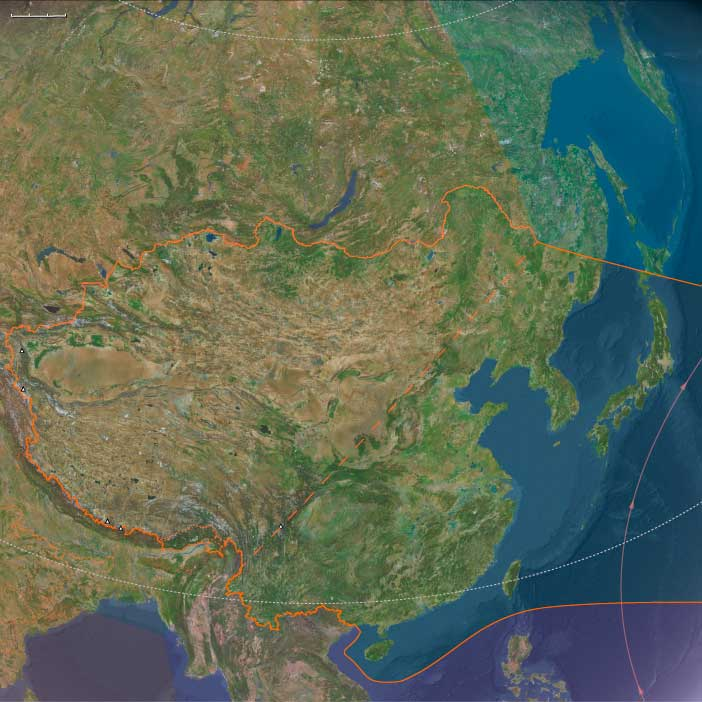
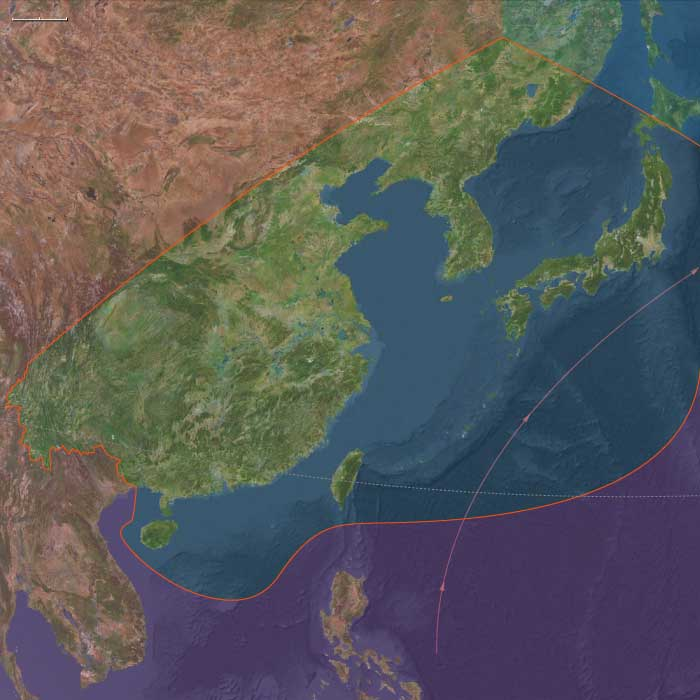
Between 1912 and 1923 CE, Maritime East Asia—covering lower Primorsky Krai, the Korean Peninsula, the Japanese Archipelago south of northern Hokkaido, Taiwan, and southern, central, and northeastern China—is characterized by the establishment of new political systems, increased colonial consolidation, and regional ambitions intensified by the aftermath of World War I. National identities further solidify as each region navigates complex interactions of internal change and external pressures.
China: Fall of Qing, Rise of the Republic, and Warlord Era
In 1912, the Qing Dynasty collapses following the success of the Xinhai Revolution, led by revolutionary figure Sun Yat-sen. This revolution results in the establishment of the Republic of China, with Sun serving briefly as provisional president before ceding power to military leader Yuan Shikai. Yuan attempts to consolidate authority through authoritarian measures, even briefly proclaiming himself emperor, triggering widespread opposition and the fragmentation of central authority.
The ensuing power vacuum leads to the chaotic Warlord Era (1916–1928), characterized by constant military conflicts among regional warlords. Despite political turmoil, this period sees important social and cultural developments, including the influential May Fourth Movement (1919), which advocates modernization, democracy, and nationalism, significantly shaping China's intellectual and political landscape.
Korea: Japanese Colonial Consolidation and Resistance Movements
Under harsh Japanese colonial rule, Korea experiences increased efforts at cultural assimilation and economic exploitation. The Japanese administration introduces industrial and infrastructural modernization primarily benefiting Japan's imperial ambitions, while suppressing Korean identity and dissent through strict policing and cultural policies.
Resistance against Japanese rule reaches a critical juncture during the March 1st Movement (1919), a nationwide peaceful protest demanding Korean independence. This demonstration is brutally suppressed, resulting in thousands of arrests and deaths, yet it significantly strengthens Korean nationalism and leads to the establishment of the Provisional Government of the Republic of Korea in Shanghai, becoming a focal point for Korean resistance.
Japan: Postwar Expansion, Internal Reform, and Democratic Movements
Emerging from World War I as a victor aligned with the Allies, Japan expands its influence significantly, notably through gaining German territories in the Pacific and asserting greater control in China via the controversial Twenty-One Demands (1915). This imperial expansion further solidifies Japan's international status, but generates substantial resentment, especially in China.
Internally, Japan experiences a period known as the Taishō Democracy (1912–1926), marked by a relatively liberal atmosphere, increased political participation, and the rise of parliamentary governance. However, underlying tensions remain, with powerful military and conservative factions continuing to influence political decisions significantly.
Taiwan: Accelerated Development under Japanese Administration
Taiwan sees accelerated modernization and economic development under Japanese rule, particularly through infrastructure improvements and the growth of export-oriented agriculture and industry. The Japanese administration continues its assimilation policies, fostering widespread education in the Japanese language and promoting loyalty to the Japanese empire.
Resistance to Japanese authority remains limited during this period due to strict governance, but subtle forms of local identity and dissent persist, laying foundations for future nationalist movements.
Legacy of the Era: National Identities and Regional Transformations
The years 1912 to 1923 CE significantly reshape Maritime East Asia's political, social, and cultural landscapes. China transitions from imperial rule to republicanism amidst ongoing internal strife. Korea experiences deepened colonial control alongside intensified nationalist sentiment. Japan solidifies its status as a regional power with broader international ambitions, yet faces growing internal demands for democracy. Taiwan continues its transformation under Japanese colonial administration, balancing modernization with lingering local identities. Collectively, this age of turbulent change profoundly impacts regional dynamics, setting trajectories for future conflicts and transformations.
People
Groups
- Chinese Empire, Qing (Manchu) Dynasty
- Japan, Empire of (Meiji Period)
- German Empire (“Second Reich”)
- Taiwan, or Formosa (Japanese colony)
- Choson, Japanese protectorate of
- China, Republic of
- Korea, Provisional Government of the Republic of
Topics
- Chinese Revolution of 1911-12
- Sun Yat-sen's Revolt: China
- World War, First (World War I)
- Twenty-One Demands
- Warlord Era
- March 1st Movement
- March First Movement
- May Fourth Movement
- May 4th Movement: China
Subjects
Regions
Subregions
Years: 1912 - 1923
People
Groups
- Chinese Empire, Qing (Manchu) Dynasty
- Japan, Empire of (Meiji Period)
- German Empire (“Second Reich”)
- Taiwan, or Formosa (Japanese colony)
- Choson, Japanese protectorate of
- China, Republic of
- Korea, Provisional Government of the Republic of
Topics
- Chinese Revolution of 1911-12
- Sun Yat-sen's Revolt: China
- World War, First (World War I)
- Twenty-One Demands
- Warlord Era
- March 1st Movement
- March First Movement
- May Fourth Movement
- May 4th Movement: China
Subjects
Regions
Subregions