
Louise of Savoy Becomes Duchess of Angoulême …
Years: 1515 - 1515
February
Louise of Savoy Becomes Duchess of Angoulême (February 4, 1515)
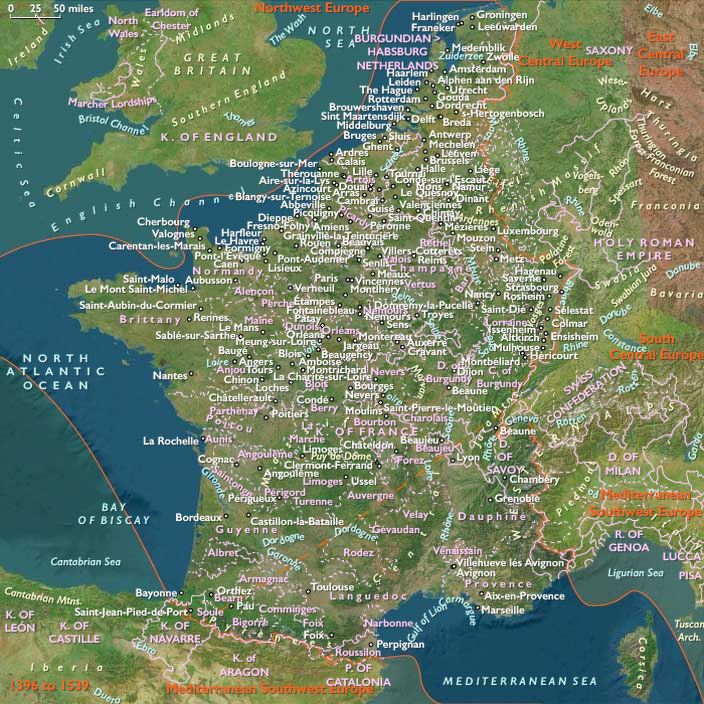
On February 4, 1515, shortly after the accession of her son, King Francis I, Louise of Savoy was officially elevated to the title of Duchess of Angoulême. This formal recognition marked a significant elevation of her political stature and authority within the kingdom of France. The appointment also symbolized the integration of the previously semi-autonomous territory of Angoumois into the French kingdom as an official province, reinforcing central royal authority.
Context and Political Significance
Louise of Savoy, born a princess of the House of Savoy, had proven herself a highly capable political strategist and influential figure at court even prior to her son's ascension. Her elevation to the Duchy of Angoulême affirmed her indispensable role within the new royal administration. This event was also politically symbolic, as Francis I’s dynasty was closely linked to Angoumois, strengthening the regional and familial roots of the newly ascendant royal line.
Integration of Angoumois into France
Previously, Angoumois, situated in southwestern France, enjoyed a degree of autonomy under regional counts and later dukes. Its integration into France in 1515 signified a strategic move by Francis I to reinforce royal centralization by directly controlling regions formerly governed by powerful noble families. Louise’s appointment thus embodied the broader political strategy of absorbing semi-independent territories into a centralized administrative framework.
Louise of Savoy’s Enhanced Authority
As Duchess of Angoulême, Louise gained extensive territorial and administrative powers. The title greatly augmented her standing and granted her substantial autonomy, allowing her to exert direct political influence. This role complemented her position as regent during Francis's absences, notably during his military campaigns in Italy (1515–1516), when she exercised effective control over the kingdom.
Consequences and Historical Legacy
The elevation of Louise to the Duchy of Angoulême had far-reaching implications. It underscored the consolidation of power under the Valois-Angoulême dynasty and affirmed the influential position women could occupy within French governance. Louise’s adept handling of her newfound authority established critical precedents for female leadership at the French court.
In the long term, the formal integration of Angoumois solidified royal authority across France, contributing significantly to the kingdom’s administrative cohesion and centralized monarchy—a legacy that continued throughout the sixteenth century and beyond.
Locations
People
Groups
Commodoties
Subjects
Regions
Subregions
Related Events
Showing 10 events out of 39125 total
Years: 1515 - 1515
February
Locations
People
Groups
Commodoties
Subjects
Regions
Subregions