
The Estates-General had reached an impasse. The …
Years: 1789 - 1789
May
The Estates-General had reached an impasse.
The Second Estate has pushed for meetings that are to transpire in three separate locations, as they have traditionally.
The Comte de Mirabeau, a noble himself but elected to represent the Third Estate, has tried but failed to keep all three orders in a single room for this discussion.
Instead of discussing the King's taxes, the three estates had begun to discuss separately the organization of the legislature.
These efforts had continued without success until 27 May, when the nobles voted to stand firm for separate verification.
The following day, the Abbé Sieyès (a senior member of the clergy, but, like Mirabeau, elected to represent the Third Estate) moves that the representatives of the Third Estate, who now call themselves the Communes ("Commons"), proceed with verification and invite the other two estates to take part, but not to wait for them.
The Second Estate has pushed for meetings that are to transpire in three separate locations, as they have traditionally.
The Comte de Mirabeau, a noble himself but elected to represent the Third Estate, has tried but failed to keep all three orders in a single room for this discussion.
Instead of discussing the King's taxes, the three estates had begun to discuss separately the organization of the legislature.
These efforts had continued without success until 27 May, when the nobles voted to stand firm for separate verification.
The following day, the Abbé Sieyès (a senior member of the clergy, but, like Mirabeau, elected to represent the Third Estate) moves that the representatives of the Third Estate, who now call themselves the Communes ("Commons"), proceed with verification and invite the other two estates to take part, but not to wait for them.
Locations
People
- Charles Louis François de Paule de Barentin
- Emmanuel Joseph Sieyès
- Honoré Gabriel Riqueti, Count of Mirabeau
- Jacques Necker
- Jean Joseph Mounier
- Louis XVI of France
Groups
Topics
Subjects
Regions
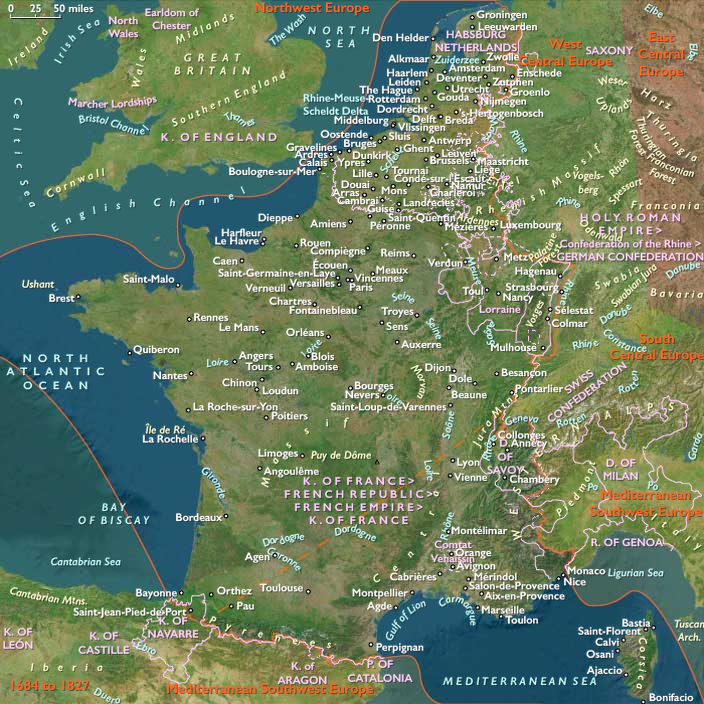
Subregions
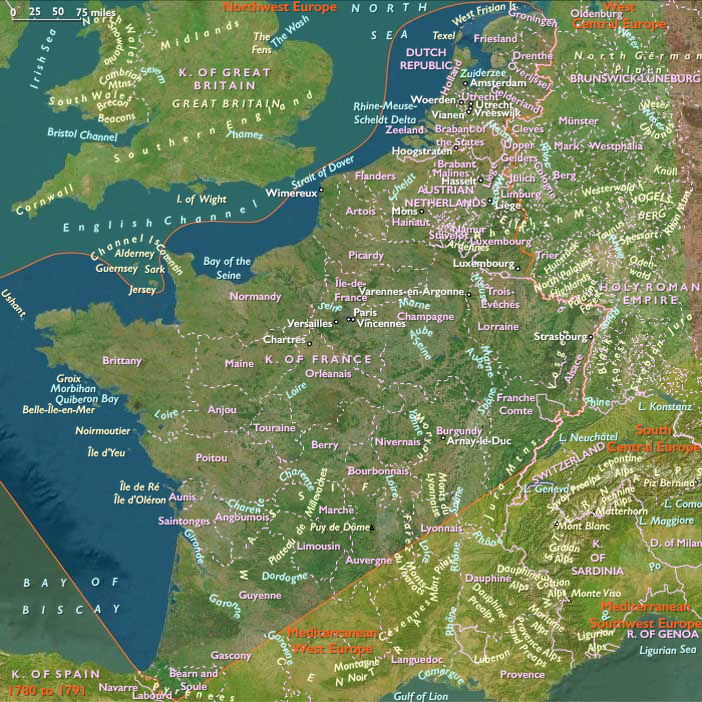
Related Events
Showing 10 events out of 24374 total
Years: 1789 - 1789
May
Locations
People
- Charles Louis François de Paule de Barentin
- Emmanuel Joseph Sieyès
- Honoré Gabriel Riqueti, Count of Mirabeau
- Jacques Necker
- Jean Joseph Mounier
- Louis XVI of France
Groups
Topics
Subjects
Regions
Subregions