
The Siege of Thérouanne and French Attempts …
Years: 1513 - 1513
August
The Siege of Thérouanne and French Attempts to Relieve the Town (August 1513)
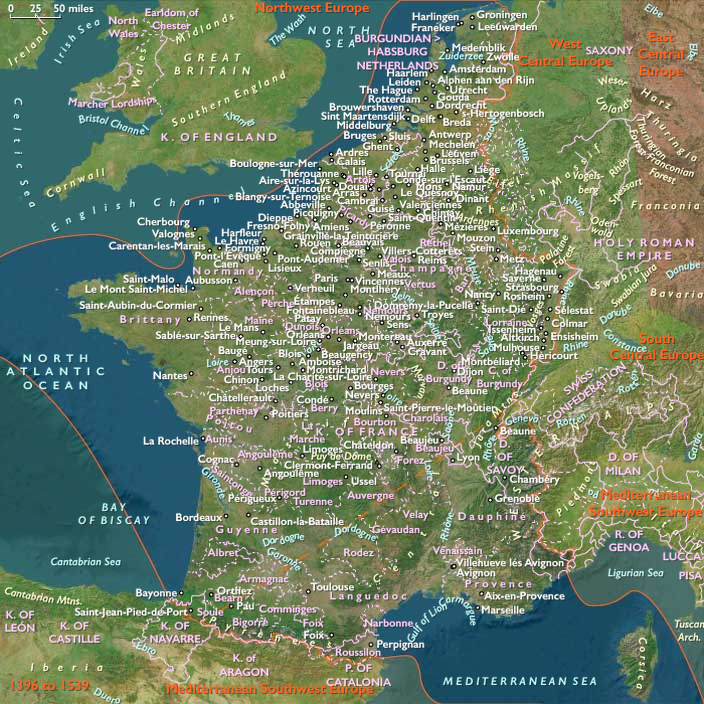
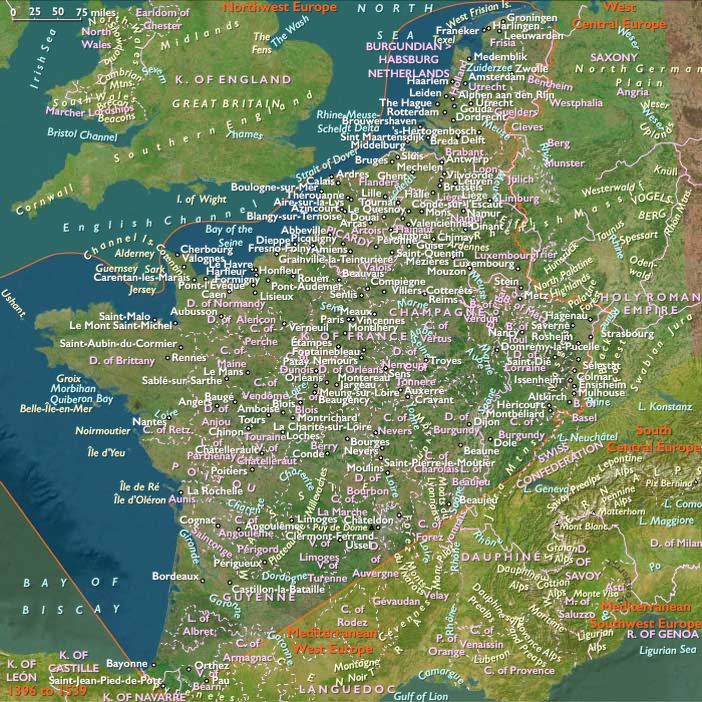
In August 1513, as the English siege of Thérouanne tightened under King Henry VIII, French commanders made vigorous and creative attempts to resupply the beleaguered fortress town. Facing increasingly desperate circumstances, French commanders undertook bold missions to break through English lines, highlighting both the strategic value of the town and the determined resilience of its defenders.
The Successful Resupply by Fonterailles (July–August 1513)
Earlier, in late July 1513, a daring French relief expedition led by Fonterailles successfully penetrated English lines, delivering crucial supplies—gunpowder and food provisions, notably bacon—to Thérouanne. Aided by artillery cover from the town's defenses, Fonterailles reinforced the garrison with about eighty fresh soldiers, boosting the morale and confidence of the defenders. Reports sent back to Venice described significant English casualties, approximately three hundred men, emphasizing the effectiveness of the operation.
Fonterailles confidently declared afterward that the town could endure until further aid arrived on a larger scale. These events provided temporary encouragement to French resistance, but also alerted English commanders to their vulnerability to swift French countermeasures.
The Subsequent French Relief Attempt: Stradiotes and Cavalry (August 16, 1513)
Encouraged by Fonterailles' partial success, the French attempted another ambitious resupply in mid-August. A larger relief force was assembled at Blangy, composed of mixed companies of heavy cavalry (gendarmes), pikemen, and specialized stradiotes—light cavalry of Balkan origin noted for their distinctive equipment: short stirrups, small spears, curved Turkish swords, and distinctively shaped hats. According to chronicler Edward Hall, each stradiot carried a side of bacon and a sack of gunpowder for delivery to the besieged town.
To distract and divide English attention, French commanders—La Palice, Louis, Duke of Longueville, and Charles IV, Duke of Alençon—split their forces. The heavy cavalry units, separated into two groups, attempted coordinated maneuvers intended to occupy the English and enable the swift, lightly armed stradiotes to slip through the siege lines.
English Defensive Measures and Strategic Response
In anticipation, English forces under King Henry VIII and George Talbot, Earl of Shrewsbury, had already repositioned and reinforced their lines. Henry had personally overseen securing the strategically important position at the Tower of Guinegate, expelling French spear-armed cavalry stationed there. English artillery and troops maintained tight vigilance, prepared to counter any further French attempts at breakthrough.
To improve tactical flexibility and response times, English engineers had improved defenses around the siege perimeter. Reports dispatched to Venice noted significant English casualties from earlier skirmishes, reflecting the real costs and stakes involved in the siege operations. Nevertheless, the English remained resolute in their determination to maintain the siege.
Consequences and Legacy
Despite determined French relief attempts, ultimately these efforts failed to break the siege decisively, with the English and their allies soon gaining the upper hand. Yet, the episodes illustrate vividly the complexity, intensity, and ingenuity of military engagements during the early 16th century. The encounters around Thérouanne particularly underscore the rapidly evolving tactics of combined arms warfare, the increasing importance of mobile units such as the stradiotes, and the logistical challenges faced by European commanders.
The siege of Thérouanne, culminating in English victory and the town’s eventual destruction, became emblematic of Henry VIII’s aggressive early foreign policy, vividly capturing the blend of chivalric symbolism, strategic maneuvering, and ruthless practical tactics characteristic of warfare in Atlantic West Europe in the early sixteenth century.
Locations
People
- Alfonso d'Este
- Andrea Gritti
- Bartolomeo d'Alviano
- Catherine of Aragon
- Catherine of Navarre
- Charles Brandon
- Charles IV of Alençon
- Charles Somerset
- Edward Poynings
- Ferdinand II of Aragon
- George Talbot
- Gian Giacomo Trivulzio
- Giuliano de Medici
- Henry Bourchier
- Henry VIII of England
- Jacques de La Palice
- Louis I d'Orléans
- Louis II de la Trémoille
- Louis XII of France
- Margaret of Austria
- Maximilian I of
- Maximilian Sforza
- Pope Leo X
- Ramón de Cardona
- Rhys ap Thomas
- Thomas Grey
- Thomas Wolsey
Groups
- Papal States (Republic of St. Peter)
- Navarre, Kingdom of
- Albanians
- Genoa, (Most Serene) Republic of
- Christians, Roman Catholic
- Mantua, free commune of
- Aragón, Kingdom of
- Venice, (Most Serene) Republic of
- Aragon, Crown of
- Swiss mercenaries
- France, (Valois) Kingdom of
- Holy Roman Empire
- Urbino, Duchy of
- Milan, Duchy of
- Modena and Reggio, Duchy of
- Ferrara, Duchy of
- England, (Tudor) Kingdom of
- Florence, Republic of
Topics
Commodoties
Subjects
Regions
Subregions
Years: 1513 - 1513
August
Locations
People
- Alfonso d'Este
- Andrea Gritti
- Bartolomeo d'Alviano
- Catherine of Aragon
- Catherine of Navarre
- Charles Brandon
- Charles IV of Alençon
- Charles Somerset
- Edward Poynings
- Ferdinand II of Aragon
- George Talbot
- Gian Giacomo Trivulzio
- Giuliano de Medici
- Henry Bourchier
- Henry VIII of England
- Jacques de La Palice
- Louis I d'Orléans
- Louis II de la Trémoille
- Louis XII of France
- Margaret of Austria
- Maximilian I of
- Maximilian Sforza
- Pope Leo X
- Ramón de Cardona
- Rhys ap Thomas
- Thomas Grey
- Thomas Wolsey
Groups
- Papal States (Republic of St. Peter)
- Navarre, Kingdom of
- Albanians
- Genoa, (Most Serene) Republic of
- Christians, Roman Catholic
- Mantua, free commune of
- Aragón, Kingdom of
- Venice, (Most Serene) Republic of
- Aragon, Crown of
- Swiss mercenaries
- France, (Valois) Kingdom of
- Holy Roman Empire
- Urbino, Duchy of
- Milan, Duchy of
- Modena and Reggio, Duchy of
- Ferrara, Duchy of
- England, (Tudor) Kingdom of
- Florence, Republic of
Topics
Commodoties
Subjects
Regions
Subregions