
The Launch of the Second Crusade and …
Years: 1146 - 1146
March
The Launch of the Second Crusade and Bernard of Clairvaux’s Preaching (1146 CE)
By 1146, King Louis VII of France was already preparing a Crusade of his own, seemingly independent of Pope Eugenius III’s bull calling for the Second Crusade in response to the fall of Edessa (1144).
It is possible that embassies from the East had appealed directly to Louis, prompting him to plan his own campaign before fully committing to the Pope’s directive. However, after consulting with the eloquent Bernard of Clairvaux, Louis ultimately sought papal blessing, ensuring that his Crusade received full ecclesiastical approval.
In response, Eugenius III reissued the Crusade bull on March 1, 1146, and Bernard began preaching the Crusade throughout France.
Initial Lack of Popular Enthusiasm
- Unlike the First Crusade of 1095, which had generated massive popular fervor, the call for the Second Crusade initially met with little enthusiasm.
- Memories of the hardships and failures of the First Crusade likely made people hesitant to embark on another campaign.
- Bernard, recognizing the need to rekindle religious zeal, emphasized taking the cross as a means of absolution for sin and spiritual grace, reinforcing the idea of Crusading as both a pilgrimage and an act of penance.
Bernard’s Preaching at Vézelay (March 31, 1146)
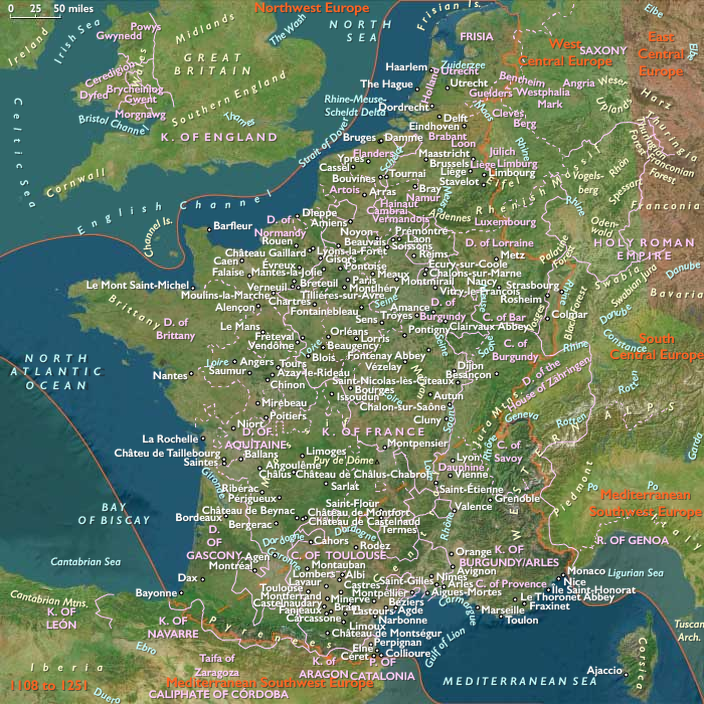
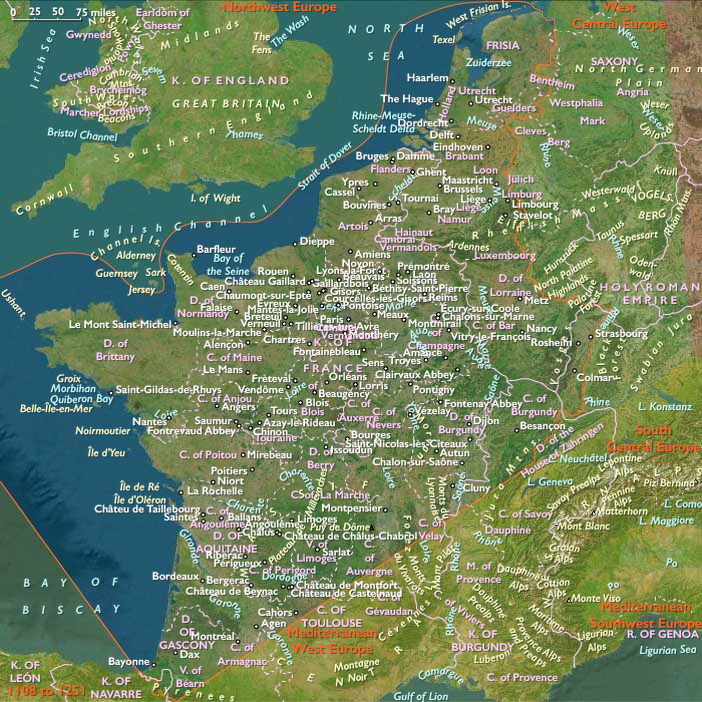
- On March 31, 1146, Bernard preached the Second Crusade at Vézelay, with King Louis VII present.
- The sermon took place in a large open field, as no church could hold the enormous crowd that had gathered.
- When Bernard finished his sermon, the response was overwhelming—so many people enlisted that they ran out of cloth to make crosses.
- Bernard is said to have torn his own outer garments to make more crosses, symbolizing the passion and devotion he had inspired.
The Nobility and the Common People Answer the Call
Unlike the First Crusade, which was largely noble-led but driven by popular enthusiasm, the Second Crusade attracted a much larger contingent of European royalty. Notable figures who took the cross included:
- Eleanor of Aquitaine, then Queen of France, who would become one of the most famous women associated with the Crusades.
- Thierry of Alsace, Count of Flanders.
- Henry, the future Count of Champagne.
- Robert I of Dreux, Louis VII’s brother.
- Alphonse I of Toulouse.
- William II of Nevers.
- William de Warenne, third Earl of Surrey.
- Hugh VII of Lusignan, along with numerous other nobles and bishops.
However, an even greater show of support came from the common people, with Bernard reporting that:
“Cities and castles are now empty. There is not left one man to seven women, and everywhere there are widows to still living husbands.”
This hyperbolic description suggests that large numbers of men had taken the cross, leaving behind families and homes in pursuit of spiritual redemption and military glory.
The Second Crusade Gains Momentum
- With Bernard’s successful preaching, the Second Crusade gained enormous traction, now led by some of the most powerful rulers of Europe.
- The movement soon extended beyond France, with Conrad III of Germany also taking the cross, turning the campaign into a pan-European effort.
- Bernard would later extend his recruitment efforts to Germany, where he would convince Conrad III to join, further strengthening the Crusade’s leadership.
While the Second Crusade ultimately ended in failure, its dramatic launch at Vézelay in 1146 remains one of the most famous moments in medieval history, showcasing Bernard of Clairvaux’s unparalleled ability to inspire religious fervor and mobilize European forces.
Locations
People
- Bernard of Clairvaux
- Eleanor of Aquitaine
- Hugh VIII of Lusignan
- Louis VII of France
- Pope Eugene III
- Thierry
Groups
- Papal States (Republic of St. Peter)
- German, or Ottonian (Roman) Empire
- France, (Capetian) Kingdom of
Topics
Commodoties
Subjects
Regions
Subregions
Years: 1146 - 1146
March
Locations
People
- Bernard of Clairvaux
- Eleanor of Aquitaine
- Hugh VIII of Lusignan
- Louis VII of France
- Pope Eugene III
- Thierry
Groups
- Papal States (Republic of St. Peter)
- German, or Ottonian (Roman) Empire
- France, (Capetian) Kingdom of
Topics
Commodoties
Subjects
Regions
Subregions