
Filters:
Lothair II Reconciles with Teutberga Under Threat …
Years: 865 - 865
Lothair II Reconciles with Teutberga Under Threat of Excommunication (865)
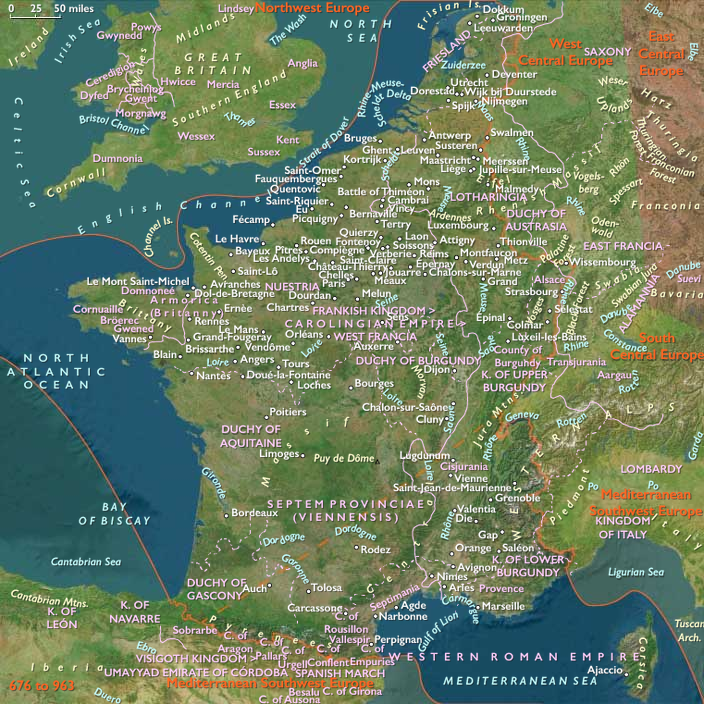
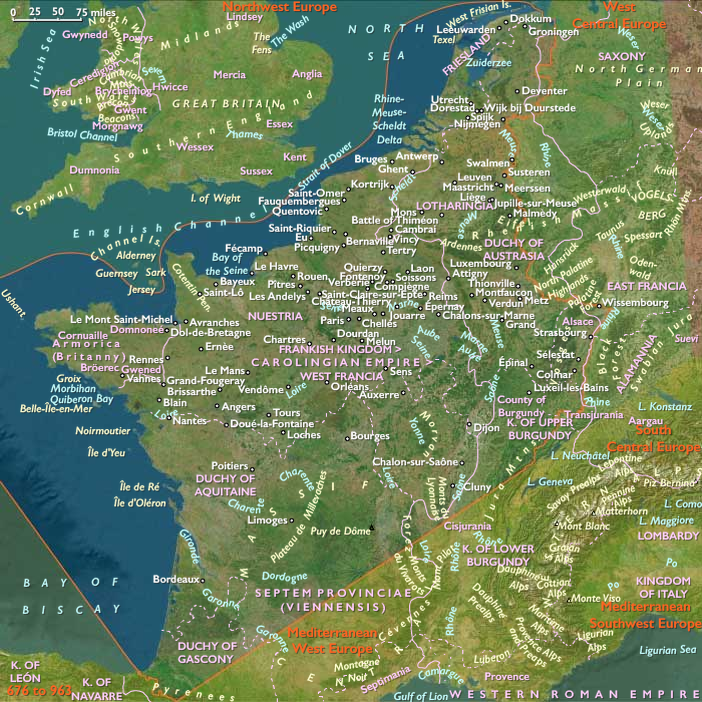
By 865, Lothair II of Lotharingia, after years of attempting to divorce his wife, Teutberga, in favor of his mistress, Waldrada, finds himself under increasing pressure from both the Papacy and his powerful Carolingian uncles, Louis the German and Charles the Bald.
The Growing Threat of Excommunication
- Pope Nicholas I, firmly opposed to Lothair’s divorce and remarriage, threatens him with excommunication if he does not reinstate Teutberga.
- The Pope’s intervention is not just religious but political, as Charles the Bald and Louis the German have also begun discussing the partition of Lotharingia, recognizing that Lothair lacks a legitimate heir.
Lothair’s Fears and Political Realities
- Fearing both excommunication and the potential loss of his kingdom, Lothair abandons his efforts to legitimize Waldrada.
- He takes back Teutberga, publicly reinstating her as his rightful queen, though their personal relationship remains strained.
- This move is a political necessity, as opposition from both the Pope and his relatives threatens his rule.
Consequences of Lothair’s Reconciliation with Teutberga
- His reconciliation with Teutberga does not restore his credibility—he has already alienated much of his nobility and clergy.
- His relationship with the Papacy remains tense, and his position as King of Lotharingia continues to weaken.
- Charles the Bald and Louis the German remain eager to divide Lotharingia should Lothair die without an heir.
The Eventual Collapse of Lothair’s Rule
- Lothair continues to struggle politically, and despite this forced reconciliation, his kingdom remains unstable.
- In 869, he dies without a legitimate heir, leading to the partition of Lotharingia between Charles the Bald and Louis the German under the Treaty of Meerssen (870).
Lothair’s reluctant acceptance of Teutberga in 865 marks the final failure of his long struggle to secure an heir, setting the stage for the end of an independent Lotharingia and reinforcing the power of the Papacy over royal marriages in medieval Europe.
Locations
People
Groups
- Papal States (Republic of St. Peter)
- Italy, Carolingian Kingdom of
- Frankish, or Carolingian (Roman) Empire
- Francia Orientalis (East Francia), Kingdom of
- Lotharingia, Kingdom of
Subjects
Regions
Subregions
Related Events
Showing 10 events out of 12 total
Years: 865 - 865
Locations
People
Groups
- Papal States (Republic of St. Peter)
- Italy, Carolingian Kingdom of
- Frankish, or Carolingian (Roman) Empire
- Francia Orientalis (East Francia), Kingdom of
- Lotharingia, Kingdom of
Subjects
Regions
Subregions