The usurper Wang Mang sends his ambassadors to the Xiongnu in 10 to inform Chanyu Zhi that he has become emperor and that Xin has replaced Han, and requests that the great seal of the chanyu, which the Han had issued, be exchanged for a new seal issued by Xin.
The old seal reads, "the Great Seal of the Chanyu of Xiongnu", while the new seal reads, "the Seal of the Shanyu of Gongnu of Xin", changing the meanings "ferocious vassal" to "respectful vassal", "Chanyu" to "Shanyu", and "seal" to "badge", implying that the Xiongnu polity, which the Han had treated with some ambiguity about whether it was a vassal, is clearly a vassal of Xin.
Without examining the new seal, Chanyu Zhi agrees to the exchange.
The ambassadors, apprehensive that the Chanyu, once he realizes what had happened, would demand the old seal back, destroy the old seal.
Indeed, the next day, the Chanyu realizes that the seal text had changed, and requests that the old seal be returned, but upon being informed that the old seal had been destroyed (which the ambassadors claimed falsely to be an act of the gods), acquiesces.
Chanyu Zhi, however, begins to prepare for confrontation with the Xin dynasty.
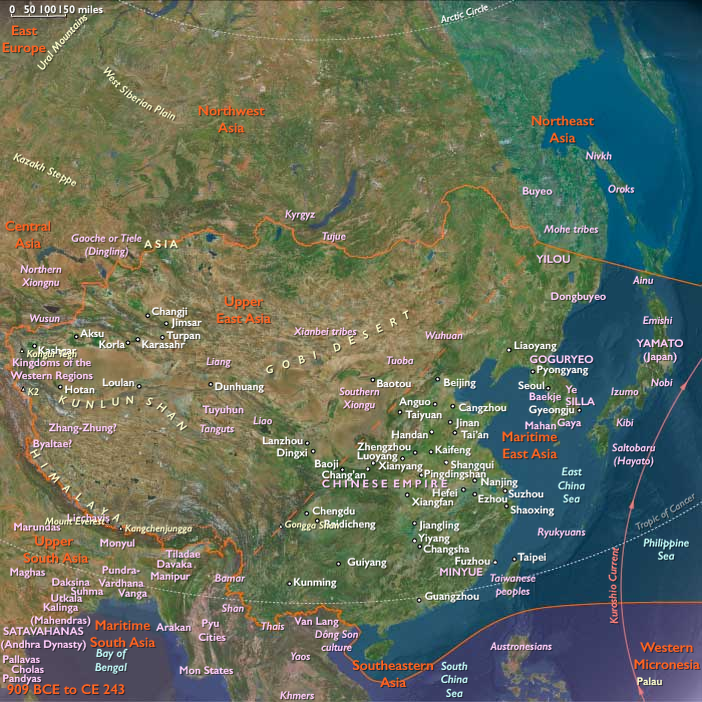
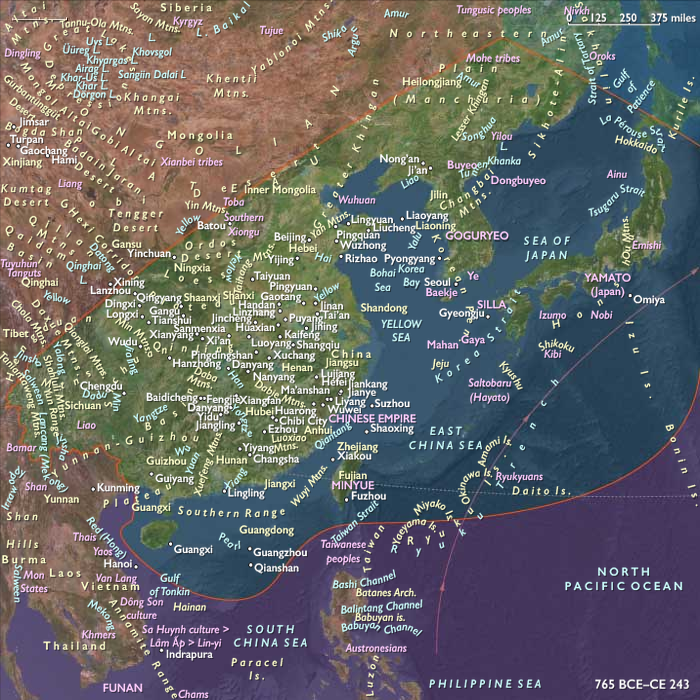
He builds defensive bulwarks some distance from the Xin outpost of Shuofang (roughly modern Ordos, Inner Mongolia).
He also begins to accept the Xiyu ("Western Yu", in modern Xinjiang and former Soviet central Asia) kingdoms' pledges of allegiance, which were banned previously by Wang.