
Leukon, ruler of the Bosporan Kingdom from …
Years: 393BCE - 382BCE
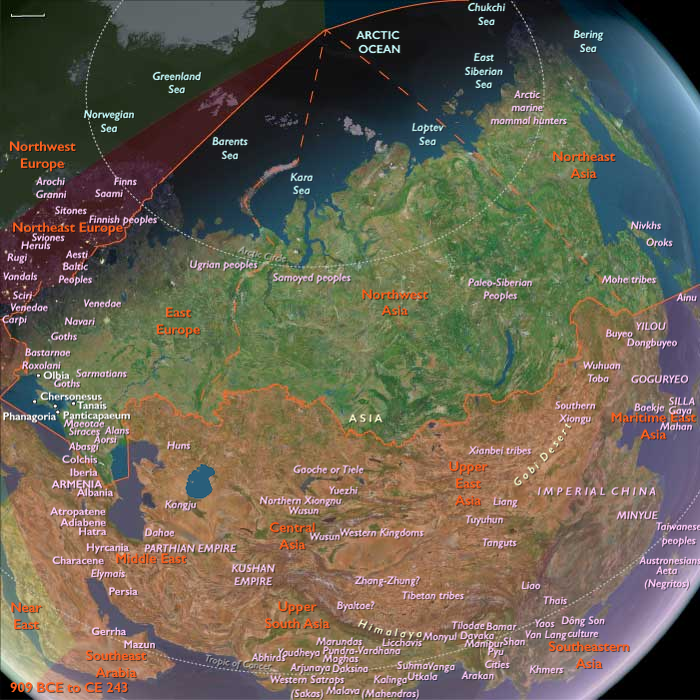
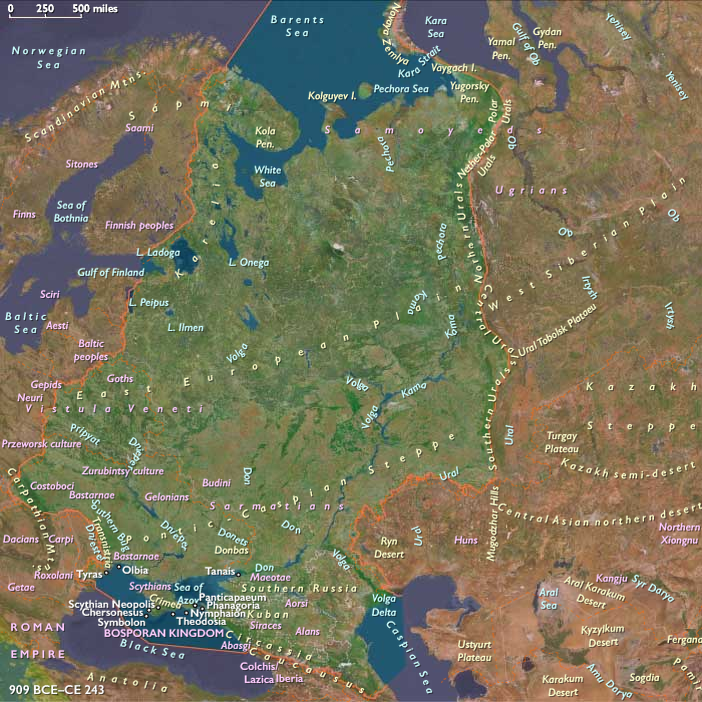
Leukon, ruler of the Bosporan Kingdom from 387 BCE, is noted in antiquity as a strategist and a disciplinarian.
In the writings of Aeneas Tacticus, How to Survive under Siege, he dismissed his guards who owed gambling debts, because their loyalty could be doubted during a city siege.
He continues the war of his father against Theodosia and Chersonesus with the goal of annexing all the Greek colonies in the Bosporus.
He also makes Sindike his vassal, and in an inscription from Nymphaion he is described as "archon of the Bosporus, Theodosia, all Sindike".
Locations
People
Groups
Topics
Commodoties
- Weapons
- Grains and produce
- Ceramics
- Strategic metals
- Beer, wine, and spirits
- Land
- Manufactured goods
- Money
Subjects
Regions
Subregions
Related Events
Showing 10 events out of 64919 total
Years: 393BCE - 382BCE
Locations
People
Groups
Topics
Commodoties
- Weapons
- Grains and produce
- Ceramics
- Strategic metals
- Beer, wine, and spirits
- Land
- Manufactured goods
- Money
Subjects
Regions
Subregions