
Leo's widow Irene becomes guardian of their …
Years: 781 - 781
Leo's widow Irene becomes guardian of their ten-year-old son, Constantine VI, and co-emperor with him.
Irene decries the practice of forced conversion, and, with clerical support, calls for conversion only of those who voluntarily confess and rejects Judaism and its “customs and pursuits.”
Locations
People
Groups
- Jews
- Christianity, Chalcedonian
- Greeks, Medieval (Byzantines)
- Roman Empire, Eastern: Isaurian dynasty
Topics
- Arab-Byzantine Wars
- Byzantine-Bulgarian Wars
- Iconoclastic period, first
- Byzantine-Muslim War of 778-83
- Bulgarian-Byzantine War of 780-83
Commodoties
Subjects
- Commerce
- Labor and Service
- Conflict
- Faith
- Government
- Custom and Law
- Technology
- Movements
- Christology
Regions
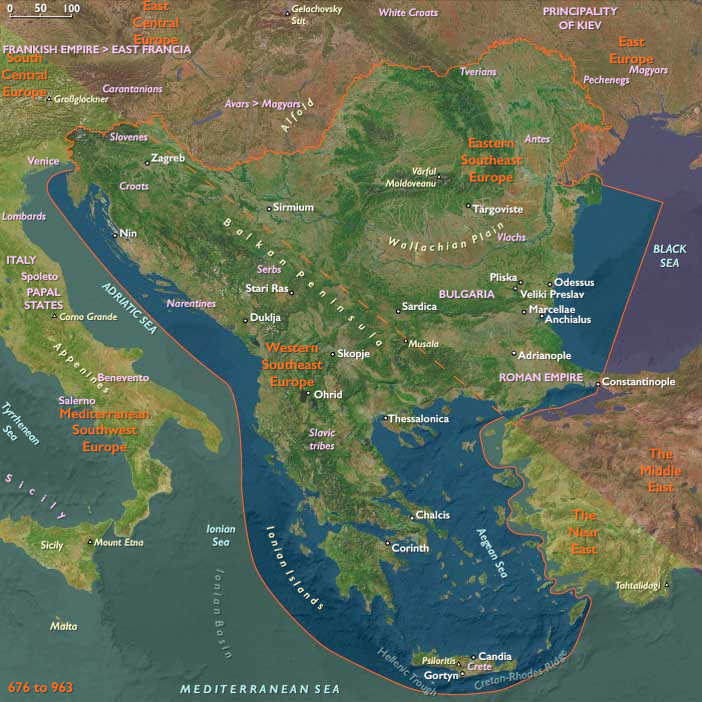
Subregions
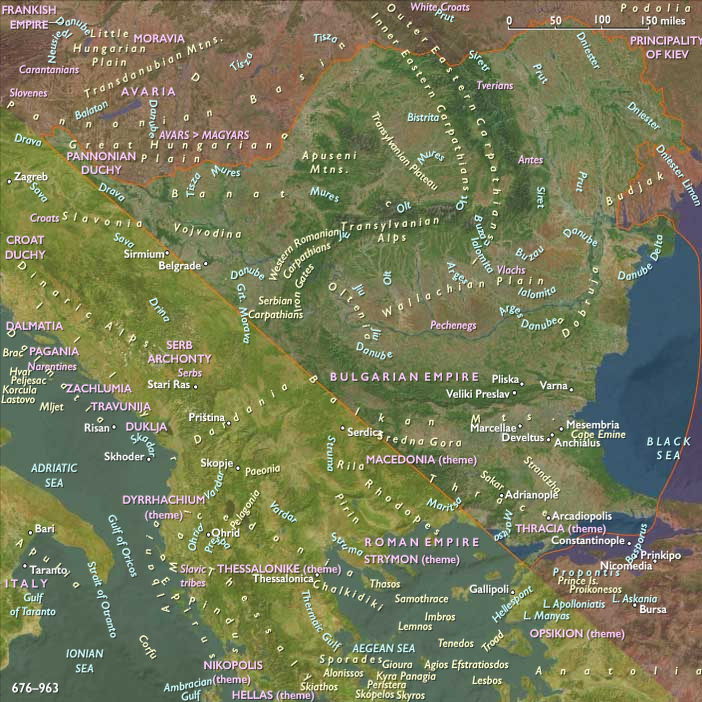
Related Events
Showing 10 events out of 55036 total
Years: 781 - 781
Locations
People
Groups
- Jews
- Christianity, Chalcedonian
- Greeks, Medieval (Byzantines)
- Roman Empire, Eastern: Isaurian dynasty
Topics
- Arab-Byzantine Wars
- Byzantine-Bulgarian Wars
- Iconoclastic period, first
- Byzantine-Muslim War of 778-83
- Bulgarian-Byzantine War of 780-83
Commodoties
Subjects
- Commerce
- Labor and Service
- Conflict
- Faith
- Government
- Custom and Law
- Technology
- Movements
- Christology
Regions
Subregions