
Filters:
King Robert II's Capitulation and the Temporary …
Years: 1027 - 1027
King Robert II's Capitulation and the Temporary Capetian Peace (1030–1031)
Following a prolonged rebellion led by his sons, Henry and Robert, King Robert II of France was ultimately forced to retreat to Paris, unable to effectively suppress their uprising. Facing increasing pressure and internal instability, the king reluctantly conceded to their demands, restoring peace within the Capetian dynasty—at least temporarily.
Robert II’s Reluctant Concessions
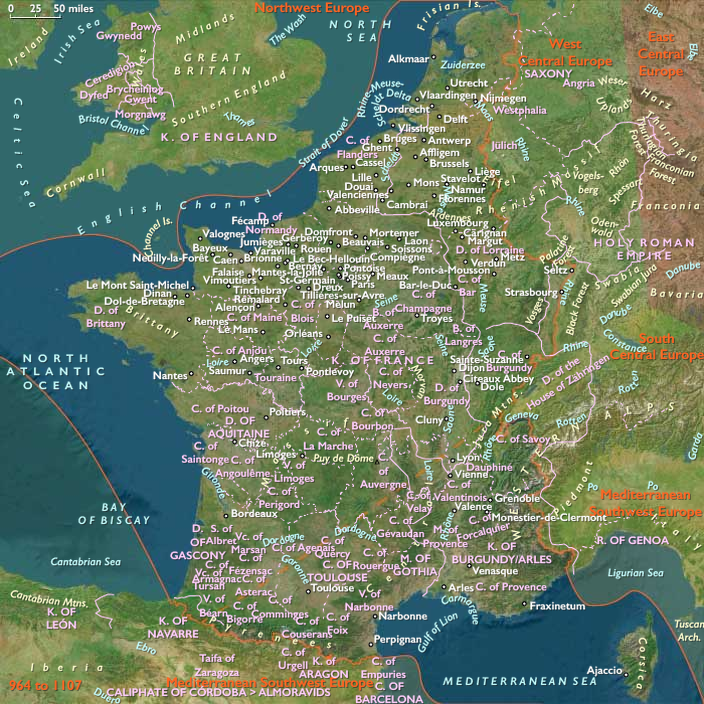
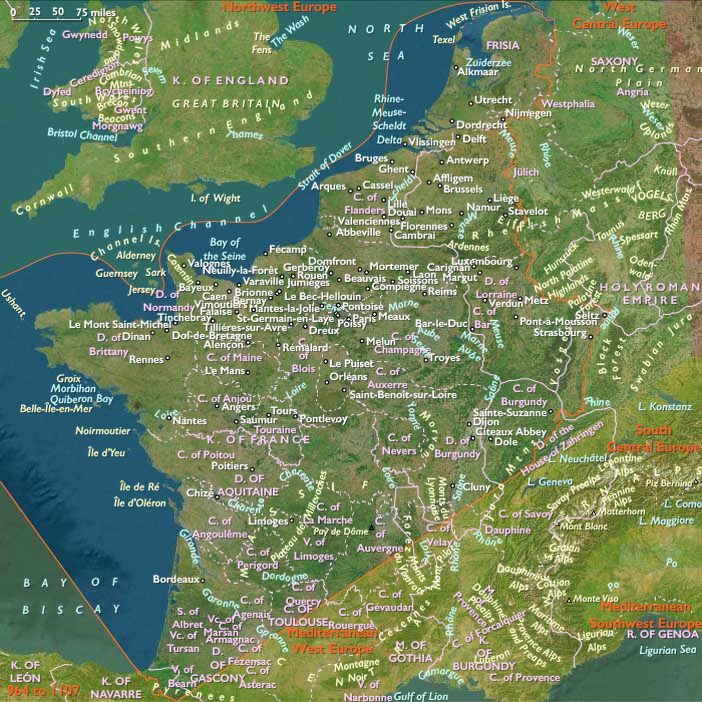
- After his sons’ relentless attacks on royal lands, including Henry’s seizure of Dreux and Robert’s campaign against Burgundy, the king could no longer sustain his resistance.
- Weakened and unable to rally enough support, Robert II negotiated with his sons, agreeing to a peace settlement.
- The terms of the agreement likely included:
- Recognition of Henry as heir to the throne while securing lands and influence for Robert.
- Territorial concessions to prevent further uprisings.
- A fragile reconciliation between Constance of Arles and Robert II, as she had actively encouraged the rebellion.
A Short-Lived Peace (1030–1031)
- The truce brought a temporary end to hostilities, ensuring relative stability within the Capetian realm.
- However, the underlying tensions remained, as Constance continued to favor Robert over Henry, fueling further succession disputes.
- The peace lasted only until Robert II’s death in July 1031, after which new conflicts erupted, with Constance actively opposing Henry’s ascension to the throne.
Legacy and Impact
- This episode demonstrated the fragility of early Capetian rule, where royal authority remained vulnerable to internal feudal pressures.
- Henry’s position as heir remained uncertain, leading to further strife after Robert’s death, when his mother and younger brother challenged his kingship.
- The conflict highlighted the precarious balance of medieval French monarchy, where kings struggled to enforce primogeniture and dynastic stability.
Robert II’s final years were overshadowed by rebellion, and though he secured peace before his death, the succession crisis that followed ensured that the Capetian dynasty remained embroiled in internal conflict well into Henry I’s reign.
Locations
People
Groups
Commodoties
Subjects
Regions
Subregions
Years: 1027 - 1027
Locations
People
Groups
Commodoties
Subjects
Regions
Subregions