
Filters:
The Castilian Invasion of Navarre (1512): Ferdinand …
Years: 1512 - 1512
July
The Castilian Invasion of Navarre (1512): Ferdinand II’s Final Move for Annexation
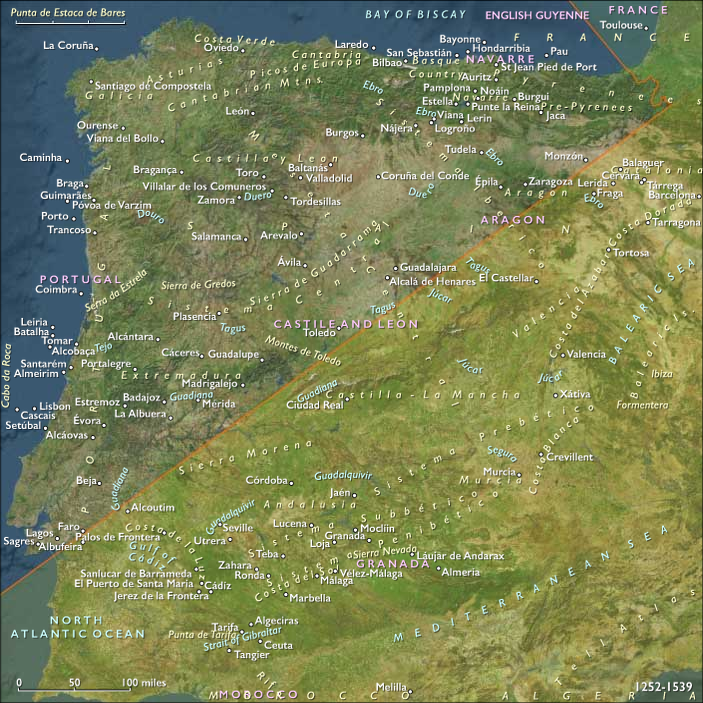
By 1512, the Kingdom of Navarre was caught in the geopolitical struggle between France and Castile. Although King Louis XII of France began to adopt a more conciliatory tone toward Queen Catherine and King John III of Navarre, Ferdinand II of Aragon had no intention of allowing Navarre to remain independent.
Navarre’s Struggle for Neutrality and Diplomatic Maneuvering (1512)
- Queen Catherine and King John III of Navarre sought to negotiate with both France and Castile, attempting to preserve Navarre’s sovereignty and neutrality.
- Ferdinand II of Aragon pressured Navarre with troop movements along the border, mixing diplomatic overtures with direct military threats.
- In February 1512, Ferdinand allied with England, leading to a joint English-Castilian military intervention in Guyenne (Aquitaine), increasing tensions in the region.
Ferdinand’s Propaganda and Preparations for Invasion
- Recognizing that military conquest needed political justification, Ferdinand orchestrated a propaganda campaign labeling the Navarrese monarchy as schismatic.
- Castilian diplomats lobbied Rome for months, securing papal bulls from Pope Julius II, which framed the invasion as a religious crusade.
- The Holy League formally requested permission in June 1512 to move English and Castilian troops through Navarre into France, further justifying Spanish intervention.
The Treaty of Blois and the Final Countdown (July 1512)
- Navarre continued diplomatic negotiations with France, leading to the Fourth Treaty of Blois (July 18, 1512), which:
- Guaranteed mutual French-Navarrese assistance to uphold Navarre’s neutrality.
- Acknowledged the growing English threat after their landing in Hondarribia, Gipuzkoa, a Basque province under Castilian suzerainty.
- Despite the treaty, Ferdinand ignored Navarre’s neutrality and ordered an invasion the next day (July 19, 1512).
The Castilian Invasion Begins (July 1512)
- On July 19, 1512, Ferdinand’s troops, led by Don Fadrique de Toledo, Duke of Alba, crossed the border from Álava into Navarre.
- Fadrique had experience in conquest, having been one of the leading commanders in the fall of Granada (1492).
- Meanwhile, on July 10, 1512, a Gipuzkoan militia had already entered Navarre from the northwestern border, capturing the fortified village of Goizueta.
Conclusion: The Fall of Navarre is Imminent
- Ferdinand II strategically combined military pressure, diplomacy, and religious justification to execute his long-planned annexation of Navarre.
- With Spanish troops pouring into Navarre from multiple fronts, Queen Catherine and King John III were left scrambling to defend their kingdom.
- By July 1512, Navarre was on the brink of collapse, marking the beginning of its absorption into the Crown of Castile.
The invasion of Navarre in 1512 was one of Ferdinand’s final territorial conquests, completing his vision of unifying Iberia under Spanish rule and ensuring that Navarre would never again regain full independence.
Locations
People
- Catherine of Navarre
- Fadrique Álvarez de Toledo
- Ferdinand II of Aragon
- Gaston of Foix
- Germaine of Foix
- Henry VIII of England
- John III of Navarre
- Louis XII of France
- Pope Julius II
Groups
- Papal States (Republic of St. Peter)
- Navarre, Kingdom of
- Christians, Roman Catholic
- Béarn, Viscountcy of
- Aragón, Kingdom of
- Aragon, Crown of
- Castile, Crown of
- Foix, County of
- France, (Valois) Kingdom of
- England, (Tudor) Kingdom of
Topics
Commodoties
Subjects
Regions

Subregions
Years: 1512 - 1512
July
Locations
People
- Catherine of Navarre
- Fadrique Álvarez de Toledo
- Ferdinand II of Aragon
- Gaston of Foix
- Germaine of Foix
- Henry VIII of England
- John III of Navarre
- Louis XII of France
- Pope Julius II
Groups
- Papal States (Republic of St. Peter)
- Navarre, Kingdom of
- Christians, Roman Catholic
- Béarn, Viscountcy of
- Aragón, Kingdom of
- Aragon, Crown of
- Castile, Crown of
- Foix, County of
- France, (Valois) Kingdom of
- England, (Tudor) Kingdom of
Topics
Commodoties
Subjects
Regions
Subregions