
King Henry's IV act of contrition at …
Years: 1079 - 1079
April
King Henry's IV act of contrition at the Walk to Canossa in 1077 had included also the Imperial recognition of Boleslaw II's royal title.
His new authority alongside with his pride, however, causes the Polish magnates to rebel, as they fear the monarchy is beginning to grow too powerful.
In 1077, Boleslaw II's had troops helped two pretenders to assume the throne: László, another son of Béla I, in Hungary, and again Iziaslav in Kiev.
In 1078, while returning from the latter campaign, the Polish troops had conquered Red Ruthenia.
In 1079, however, the conflict with the Polish nobles culminates into open revolt and Boleslaw is deposed and banished from the country.
The circumstances that led to the King's banishment hinge on the person of Bishop Stanislaus of Kraków, who had excommunicated the king for his infidelity.
From historical records, it appears that Bishop Stanislaus was involved with the barons' opposition movement, plotting to remove the King and to place his brother Wladyslaw Herman on the throne.
The conspiracy was uncovered by the king's men and Stanislaus was judged by both royal and ecclesiastical courts.
He was found guilty of treason—Gallus Anonymus uses the word "traditor" meaning traitor—and executed.
This act seems to have sparked the barons' rebellion against the King who was then deposed and forced to flee the country, together with his wife and son Mieszko.
Another version of the events which led to Boleslaw's demise was propagated by Master Wincenty Kadłubek, who, however, was writing nearly one hundred years after Gallus Anonymus and a century and a half after the actual affair.
According to this version, Boleslaw II on April 11, 1079 assaulted and then personally wielded the sword that murdered Bishop Stanislaus of Kraków during the celebration of a mass.
Though the bishop had privately and then publicly warned the king to repent of adultery and other vices, Boleslaw chose a course of action more characteristic of his nickname, "the Bold".
Locations
People
- Boleslaw II the Generous
- Henry IV, Holy Roman Emperor
- Iziaslav I of Kiev
- Ladislaus I of Hungary
- Pope Gregory VII
- Vladimir II Monomakh
- Vratislaus II of Bohemia
- Wladyslaw I Herman
Groups
- Saxons
- Germans
- Hungarian people
- Slavs, East
- Slavs, West
- Saxony, Duchy of
- Rus' people
- Bohemia, Duchy of
- Kievan Rus', or Kiev, Great Principality of
- German, or Ottonian (Roman) Empire
- Hungary, Kingdom of
- Poland of the first Piasts, Kingdom of
Topics
Commodoties
Subjects
Regions
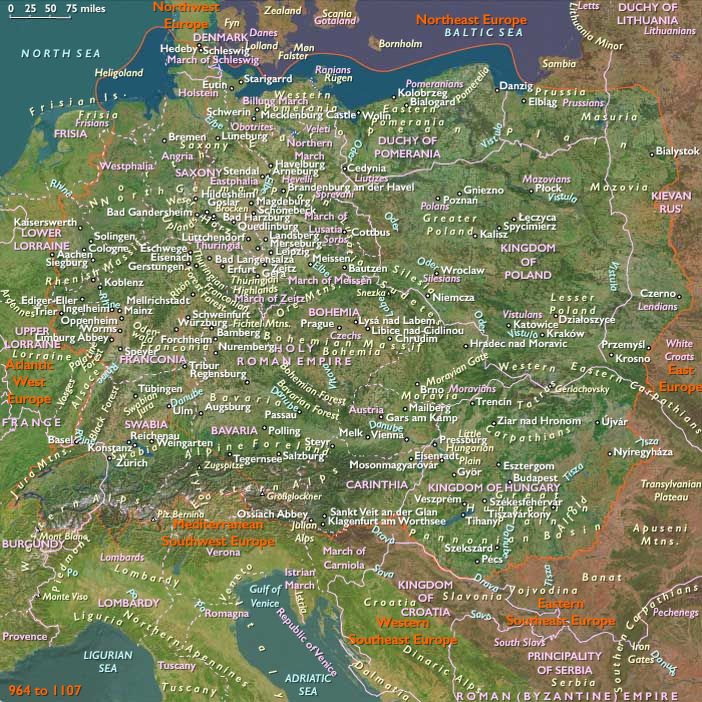
Subregions
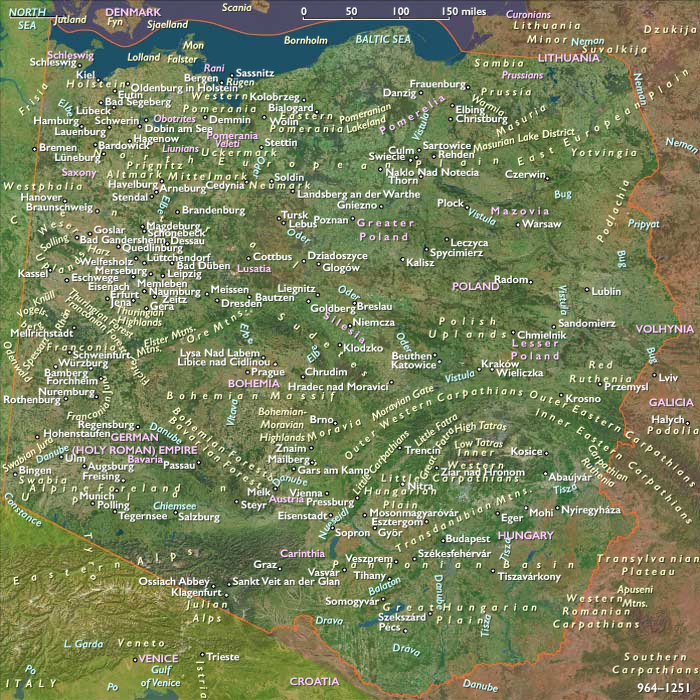
Years: 1079 - 1079
April
Locations
People
- Boleslaw II the Generous
- Henry IV, Holy Roman Emperor
- Iziaslav I of Kiev
- Ladislaus I of Hungary
- Pope Gregory VII
- Vladimir II Monomakh
- Vratislaus II of Bohemia
- Wladyslaw I Herman
Groups
- Saxons
- Germans
- Hungarian people
- Slavs, East
- Slavs, West
- Saxony, Duchy of
- Rus' people
- Bohemia, Duchy of
- Kievan Rus', or Kiev, Great Principality of
- German, or Ottonian (Roman) Empire
- Hungary, Kingdom of
- Poland of the first Piasts, Kingdom of
Topics
Commodoties
Subjects
Regions
Subregions