
King Francis I of France had been …
Years: 1526 - 1526
June
King Francis I of France had been defeated at the Battle of Pavia on February 24, 1525 by the troops of the Habsburg Holy Roman Emperor, Charles V. After several months in prison, Francis had been forced to sign the Treaty of Madrid.
In a watershed moment in European diplomacy, Francis had come to an understanding with the Ottoman Empire, which has led to a formal Franco-Ottoman alliance.
The objective for Francis I is clearly to find an ally against the powerful Habsburg Emperor, in the person of Ottoman Sultan Suleiman.
The Ottoman-French strategic, and sometimes tactical, alliance will last for about three centuries.
It does, however, cause quite a scandal in the Christian world.
To relieve the Habsburg pressure on France, Francis has asked Suleiman to make war on the Holy Roman Empire, and the road from Turkey to the Holy Roman Empire leads across Hungary.
The request of the French king coincides nicely with the ambitions of Suleiman in Europe and gives him an incentive to attack Hungary in 1526.
The Ottomans see the growing alliance between Hungary and Bohemia and the Habsbugs as a threat to their power in the Balkans and have worked to break this alliance.
After Suleiman I came to power in 1520, the High Porte had made the Hungarians at least one and possibly two offers of peace.
It is unclear why King Louis refused the offer.
It is possible that Louis is well aware of Hungary's situation (especially after the Battle of Chaldiran and Polish-Ottoman peace from 1525) and he believes that war is a better option than peace.
Even in peacetime the Ottomans raid Hungarian lands and conquer small territories (with border castles), but a final battle still offers a glimmer of hope.
To such ends, an Ottoman army had set out from Istanbul on April 16, 1526, led by Suleiman the Magnificent personally.
In the Hungarian kingdom, riven by social and national divisions stimulated by the Reformation, a general call to arms is proclaimed, but the most important forces—those from Transylvania and Croatia—are late in obeying it.
Louis hurriedly assembles a force of some sixteen thousand men and advances from Buda to meet the Turks.
Locations
People
- Anne of Bohemia and Hungary
- Charles V, Holy Roman Emperor
- Ferdinand I
- Francis I of France
- John I Zápolya
- Louis II of Hungary
- Mary of Hungary
- Pál Tomori
- Suleiman I “the Magnificent”
Groups
- Islam
- Christians, Roman Catholic
- Croatia, Kingdom of
- Austria, Archduchy of
- Hungary, Kingdom of
- France, (Valois) Kingdom of
- Holy Roman Empire
- Transylvania (Hungarian governate)
- Ottoman Empire
- Habsburg Monarchy, or Empire
Topics
Commodoties
Subjects
Regions
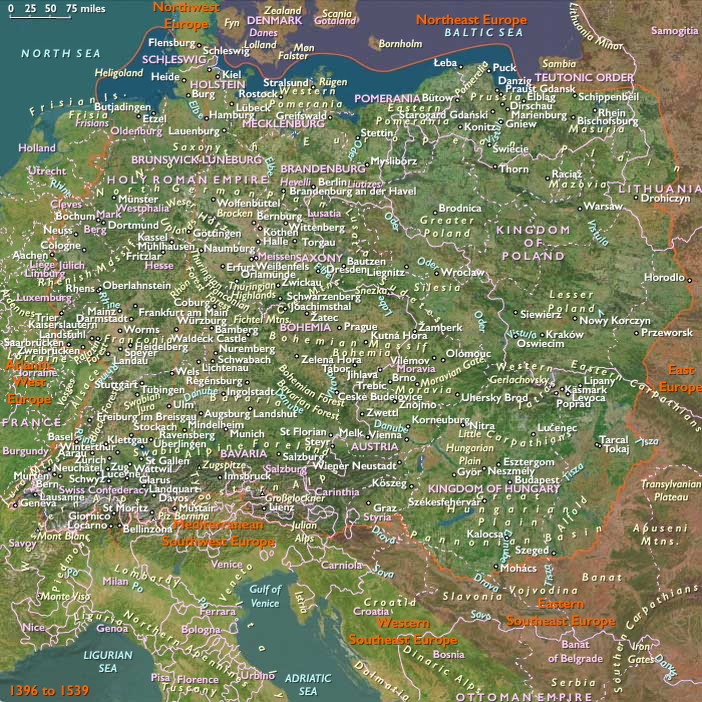
Subregions
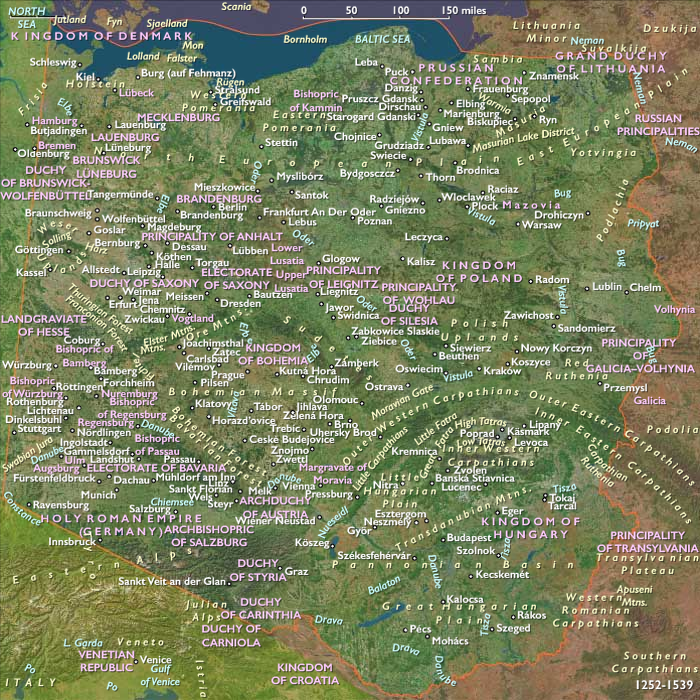
Years: 1526 - 1526
June
Locations
People
- Anne of Bohemia and Hungary
- Charles V, Holy Roman Emperor
- Ferdinand I
- Francis I of France
- John I Zápolya
- Louis II of Hungary
- Mary of Hungary
- Pál Tomori
- Suleiman I “the Magnificent”
Groups
- Islam
- Christians, Roman Catholic
- Croatia, Kingdom of
- Austria, Archduchy of
- Hungary, Kingdom of
- France, (Valois) Kingdom of
- Holy Roman Empire
- Transylvania (Hungarian governate)
- Ottoman Empire
- Habsburg Monarchy, or Empire
Topics
Commodoties
Subjects
Regions
Subregions