
King Eadwig of England dies young on …
Years: 959 - 959
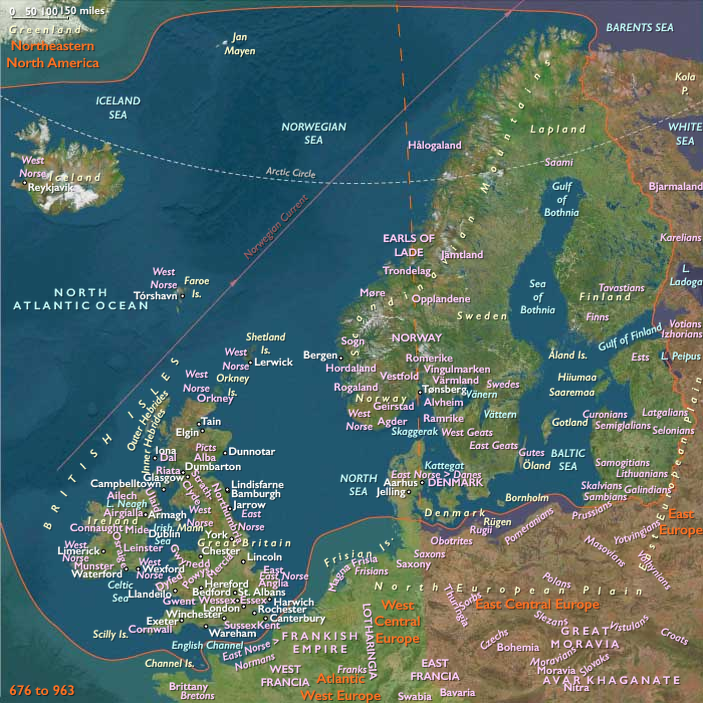
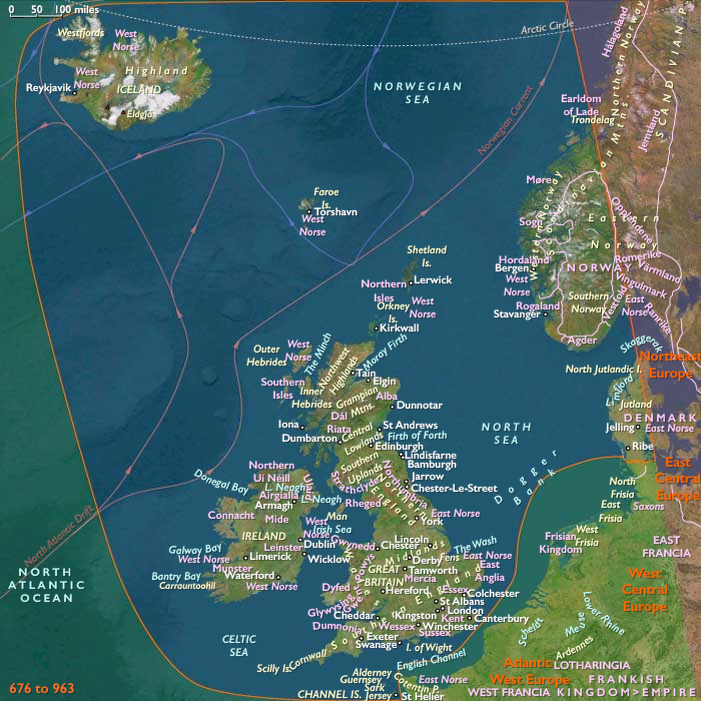
King Eadwig of England dies young on October 1, 959, in circumstances which remain unknown.
He is succeeded by his brother Edgar, who will effectively complete the unification of England when Northumbria finally submits to his rule.
Locations
People
Groups
- Polytheism (“paganism”)
- Christianity, Chalcedonian
- Benedictines, or Order of St. Benedict
- Vikings
- Dublin, Kingdom of
- Flanders, County of
- Norway, independent Kingdom of
- York, Scandinavian (Norse)
- England, (Anglo-Saxon) Kingdom of
Topics
Commodoties
Subjects
Regions
Subregions
Related Events
Showing 10 events out of 52839 total
Years: 959 - 959
Locations
People
Groups
- Polytheism (“paganism”)
- Christianity, Chalcedonian
- Benedictines, or Order of St. Benedict
- Vikings
- Dublin, Kingdom of
- Flanders, County of
- Norway, independent Kingdom of
- York, Scandinavian (Norse)
- England, (Anglo-Saxon) Kingdom of
Topics
Commodoties
Subjects
Regions
Subregions