
King Alfred of Wessex dies on October …
Years: 899 - 899
November
King Alfred of Wessex dies on October 26, 899.
The first monarch of an English kingdom to become a symbol and focus of national unity, he is he only English king called “the Great”.
The brothers Æthelred and Alfred had agreed that the bulk of their property should go to the survivor, an arrangement which left Æthelhelm and Æthelwold at a disadvantage when Æthelred died first, and Alfred's will makes clear that they complained that he had denied them their property.
He had left the bulk of his estate to his eldest son Edward, while Æthelhelm had been left eight estates, and Æthelwold only three at Godalming and Guildford in Surrey, and Steyning in Sussex.
Alfred had also favored his own son by giving him opportunities for command in battle once he was old enough.
After Alfred's death, Æthelwold, as the senior ætheling (prince of the royal dynasty eligible for kingship), has a strong claim to succeed him, and made a bid for the throne.
Æthelwold's revolt is probably partly motivated by a belief that he had been denied his rights in his uncle's will.
Very little is known of Æthelwold's family.
His mother was probably the Wulfthryth who in 868 witnessed a charter.
She is described there as regina, whereas Edward's mother was only the king's wife, and Æthelwold's status as the son of a queen may have given him an advantage over Edward.
In the only surviving charter that recorded Æthelwold, he is listed above Edward, implying that he ranked above him.
The only record of Æthelwold's older brother Æthelhelm is as a beneficiary of Alfred's will in the mid-880s, and he probably died soon afterwards.
According to the 'A' version of the Anglo-Saxon Chronicle, Æthelwold seized a nun from her convent and married her without the permission of King Edward and against the command of the bishop.
Her identity is not known, but it must have been intended to strengthen his claim, and in the view of historian Pauline Stafford, the Chronicle's account is biased in favor of Edward and may have been intended to delegitimize a politically important marriage.
Æthelwold takes her to the royal manors of Twynham (now Christchurch) and then to Wimborne Minster, symbolically important as his father's burial place, where he declares that "he would live or die".
However, when Edward's army approaches and camps nearby at Badbury Rings, he is unable to gain sufficient support to meet them in battle.
Locations
People
Groups
- Saxons
- Anglo-Saxons
- Wessex, English Kingdom of
- Britain, Medieval
- Danes (Scandinavians)
- East Anglia, (Danish) Kingdom of
- York, Scandinavian (Danish)
Topics
Commodoties
Subjects
Regions
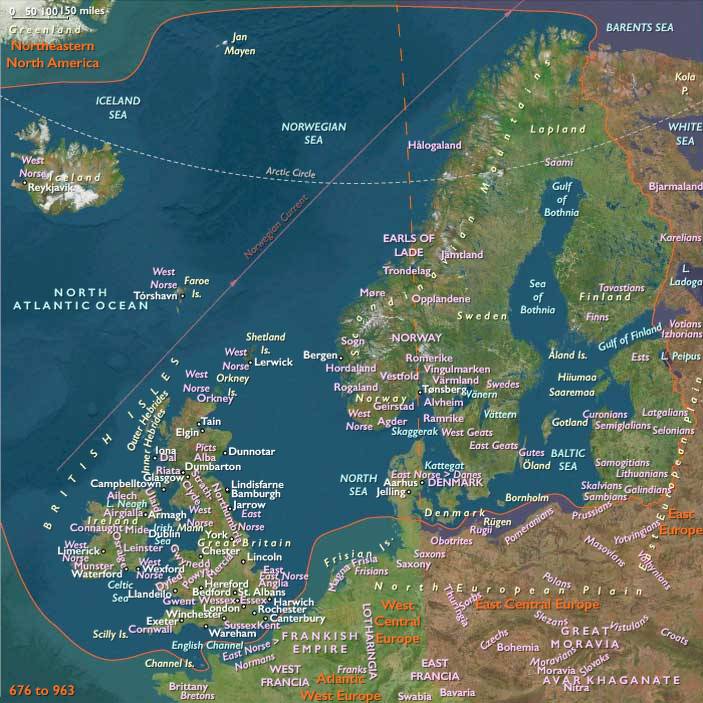
Subregions
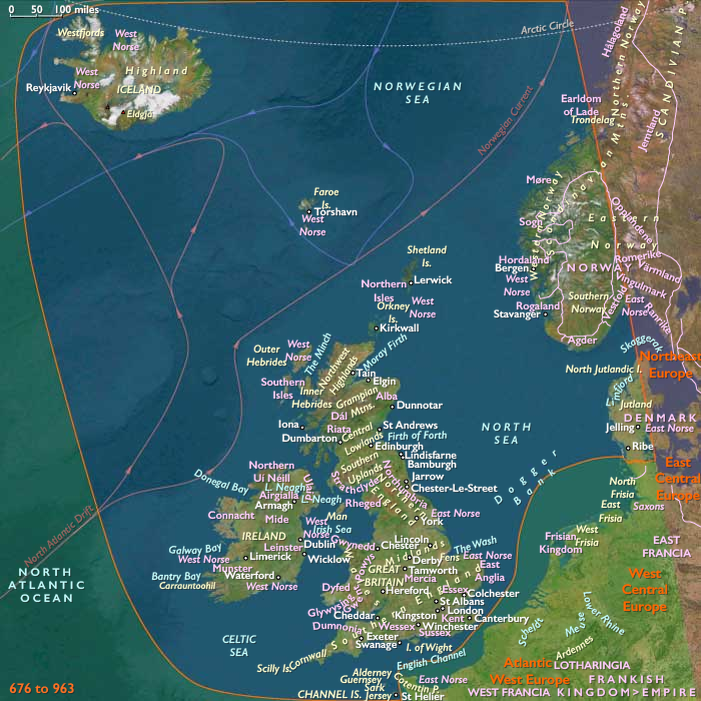
Related Events
Showing 10 events out of 53577 total
Years: 899 - 899
November
Locations
People
Groups
- Saxons
- Anglo-Saxons
- Wessex, English Kingdom of
- Britain, Medieval
- Danes (Scandinavians)
- East Anglia, (Danish) Kingdom of
- York, Scandinavian (Danish)
Topics
Commodoties
Subjects
Regions
Subregions