
King Aleksandar’s dictatorship at first gains wide …
Years: 1930 - 1930
King Aleksandar’s dictatorship at first gains wide support because it seems to make government more efficient and less corrupt.
He wins a certain amount of support for his aims, but the draconian character of their implementation—including suppressing patriotic gymnastic societies, interfering with the judiciary and the press, and arresting and torturing political opponents—arouses deep hostility.
Aleksandar's attempt to impose unity on the ethnic groups backfires, blocking the understanding of common national interests and unleashing more divisive forces.
The royal dictatorship unifies Croatian opposition to Serbian hegemony but fractures the once-unified Serbian parties.
The police violently suppress expressions of communism and ethnic dissidence.
The state imprisons Slovenian and Muslim politicians and tries Vlatko Macek, successor to Radic, for terrorist activity.
Serbs also are oppressed, and the leader of the Serbian Democrats leaves the country in protest.
Ultranationalist Croats flee also.
Locations
Groups
Commodoties
Subjects
Regions
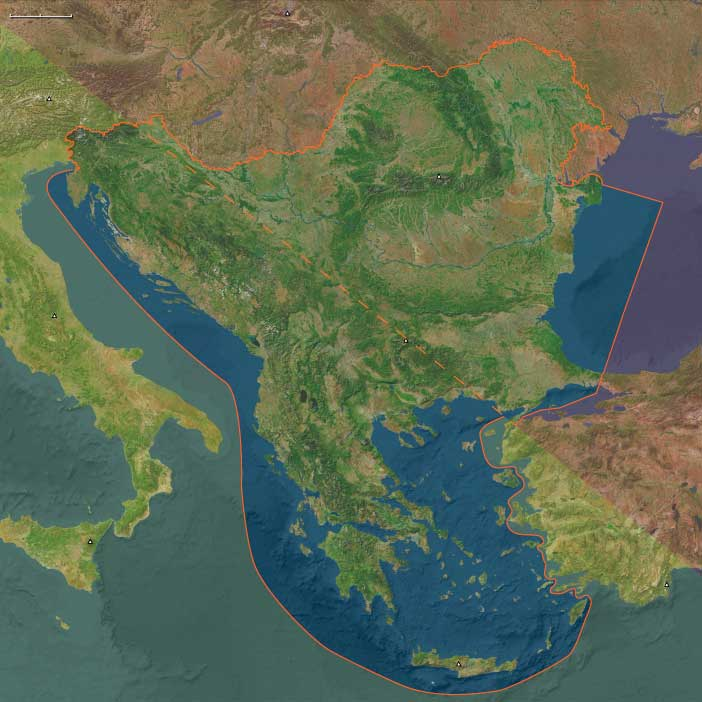
Years: 1930 - 1930
Locations
Groups
Commodoties
Subjects
Regions