
Khurshid was born in 734/735, the son …
Years: 759 - 759
Khurshid was born in 734/735, the son of Dadhburzmihr or Dadmihr (died 740) and grandson of Farrukhan the Great (died around 728), the first ruler (ispahbadh) of the Dabuyid dynasty from whose reign coins are known.
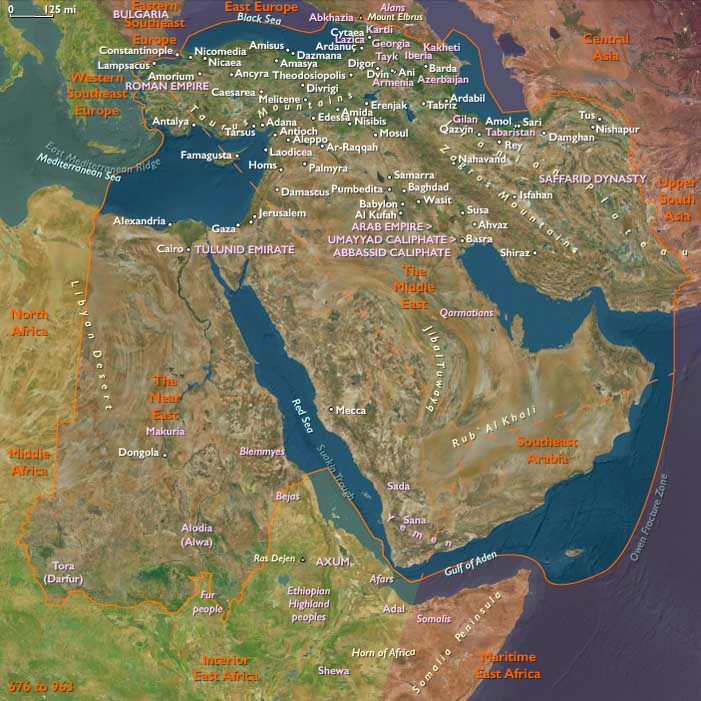
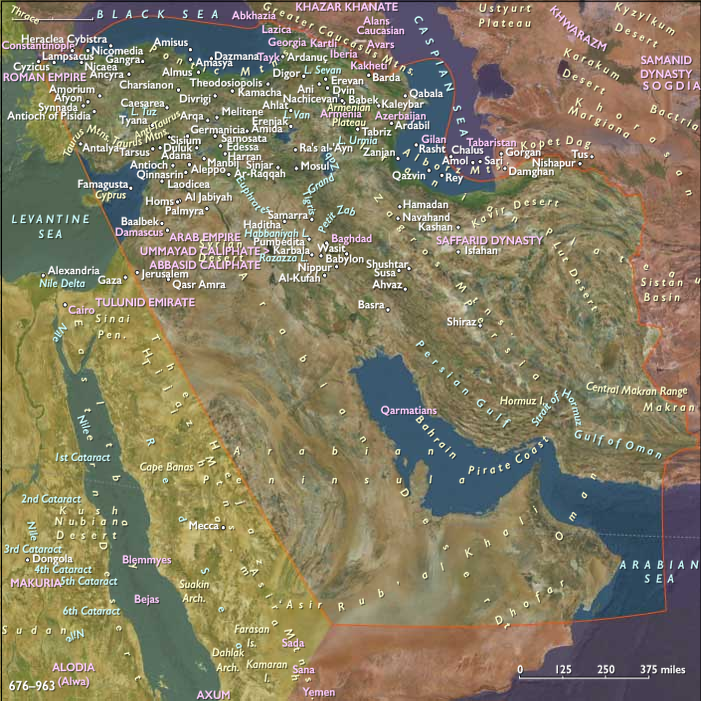
According to the traditional account, the Dabuyids had established themselves as the quasi-independent rulers of Tabaristan in the 640s, during the tumults of the Muslim conquest of Persia and the collapse of the Sassanid Empire.
They owed only the payment tribute and nominal vassalage to the Arab Caliphate, and managed, despite repeated Muslim attempts at invasion, to maintain their autonomy by exploiting the inaccessible terrain of their country.
A more recent interpretation of the sources by P. Pourshariati, however, supports that Farrukhan was the one who actually established the family's rule over Tabaristan, sometime in the 670s.
Khurshid of Tabaristan had succeeded his father at the age of only six, and for eight years the regency had been exercised by his uncle Farrukhan-i Kuchak ("Farrukhan the Little").
When Khurshid came of age, Farrukhan's own sons had refused to recognize his claim and tried to usurp the throne.
Their plot was allegedly betrayed to Khurshid by an enslaved girl, Varmja Haraviya.
With the help of the sons of his cousin Jushnas, Khurshid had managed to defeat and imprison Farrukhan's sons and later took Varmja Haraviya as his wife, while the sons of Jushnas were given high positions in the state.
The historian Ibn Isfandiyar gives a vivid description of the prosperity of Tabaristan at this time, which is a major center for textile production (including silk), and which trades with the Turks of Central Asia, probably via the Caspian Sea.
Khurshid is said to have contributed to this prosperity by building numerous bazaars and caravanserais.
Khurshid has also tried to consolidate and even extend his royal power, and had used the turmoil within the Umayyad Caliphate during the Third Islamic Civil War to this effect, rebelling against Caliph Marwan II (r. 744–750), and even sending an embassy to the Tang court in 746, which recognized him ("king Hu-lu-ban") as a vassal prince.
During the Abbasid Revolution, however, he had been forced to submit to the Abbasid armies under Abu Muslim.
As one of Abu Muslim's vassals, he had supported the latter in his quarrel with the Caliph al-Mansur.
After the Caliph had Abu Muslim murdered in 755, Khurshid had supported the anti-Abbasid rebellion of Sunbadh, who had entrusted part of Abu Muslim's treasure to Khurshid's keeping.
When Sunbadh's revolt was defeated, Sunbadh had fled to Tabaristan, but had been killed there by one of Khurshid's cousins, ostensibly because he had failed to show the man proper respect.
It is possible, however, that the murder was instigated by Khurshid, in the hope of acquiring the remainder of Abu Muslim's treasure.
Al-Mansur sends his son and heir, al-Mahdi, to recover the treasure of Abu Muslim.
Khurshid denies having it, and al-Mansur tries to unseat Khurshid by crowning one of his cousins as ispahbadh.
This did not have the desired effect of challenging the loyalty of Khurshid's subjects, but Khurshid had eventually been forced to accommodate the Abbasids by accepting an increase in the annual tribute, which brought it to the level paid to the Sassanids.
Soon after, nevertheless, Khurshid takes advantage of the rebellion of Abd al-Jabar ibn Abd al-Rahman, the governor of Khurasan, to once again throw off allegiance to the Caliphate.
Al-Mansur sends an army into Tabaristan, with the intention of completely subduing the country and making it a province.
Khurshid flees to the fortress of al-Tak in the mountains, where he is besieged in 759–760.
Although Khurshid himself escapes to nearby Daylam, the fortress eventually falls, and with it his family falls into the hands of the Abbasids and brought to Kufa.
Locations
People
Groups
Commodoties
Subjects
Regions
Subregions
Related Events
Showing 10 events out of 55185 total
Years: 759 - 759
Locations
People
Groups
Commodoties
Subjects
Regions
Subregions