
Filters:
The Revolt of Julius Sabinus (69 CE): …
Years: 70 - 70
March
The Revolt of Julius Sabinus (69 CE): A Failed Bid for the Throne of Gaul
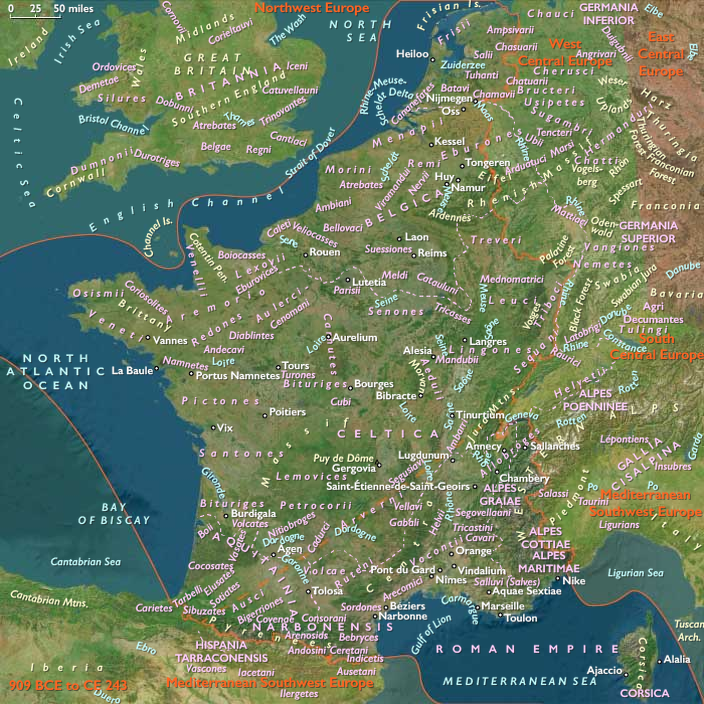
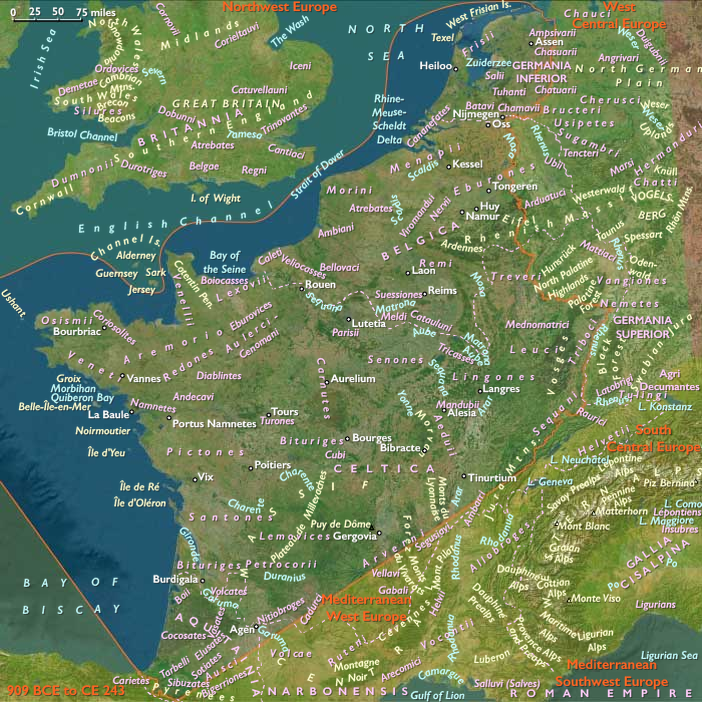
During the chaotic Year of the Four Emperors (69 CE), Julius Sabinus, a Gallic nobleman, sought to exploit Rome’s instability by declaring himself Emperor of Gaul. His rebellion in Gallia Belgica was inspired by the ongoing Batavian Revolt on the Rhine, but it was poorly organized and quickly crushed.
Sabinus’ Claim to Power and the Revolt
- Sabinus claimed descent from Julius Caesar, hoping this would legitimize his rule over Gaul.
- He declared himself Emperor, attempting to rally Gallic support for independence from Rome.
- However, his forces were badly organized and lacked military strength.
- The Sequani, a tribe still loyal to Rome, easily defeated his rebellion before it gained momentum.
Sabinus' Faked Death and Escape
- Facing certain execution, Sabinus devised an elaborate escape plan.
- He told his servants he would commit suicide, then burned down the villa he was staying in to make it appear he had perished.
- Instead of dying, he hid in a cellar, known only to his wife, Epponina, and a few loyal servants.
- This ruse allowed him to evade Roman authorities, but his time in hiding was not permanent.
Aftermath and Legacy
- Julius Sabinus’ rebellion failed to inspire wider support, unlike the Batavian Revolt led by Julius Civilis.
- His story, however, became legendary, particularly because of the devotion of his wife, Epponina, who remained by his side.
- Eventually, after nine years in hiding, Sabinus was discovered, captured, and executed by Emperor Vespasian.
- Epponina’s loyalty to her husband became a romanticized tale of devotion in later Roman accounts.
The failed uprising of Julius Sabinus demonstrated that not all revolts against Rome found widespread backing, especially when local tribal elites still favored Roman rule. His dramatic escape and tragic end, however, ensured that his name would be remembered in Roman history.
Locations
People
Groups
Topics
- Classical antiquity
- Pre-Roman Iron Age of Northern Europe
- Roman Age Optimum
- Pax Romana
- Batavi, Revolt of the
Commodoties
Subjects
Regions
Subregions
Years: 70 - 70
March
Locations
People
Groups
Topics
- Classical antiquity
- Pre-Roman Iron Age of Northern Europe
- Roman Age Optimum
- Pax Romana
- Batavi, Revolt of the
Commodoties
Subjects
Regions
Subregions